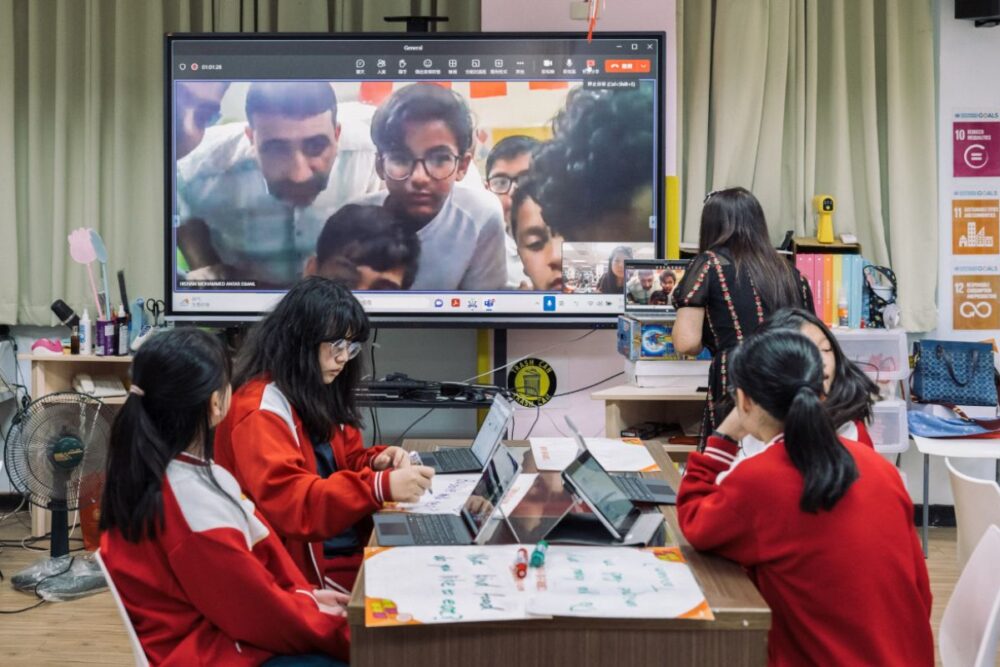
In a bold step toward AI-integrated education, primary schools across China are rolling out futuristic AI desks designed to personalise learning and prepare students for a hyper-digital future. The move is part of a broader national push to embrace artificial intelligence from a young age, ensuring that the next generation is ready to lead in a world dominated by smart technology.
Smart Technology in Everyday Learning
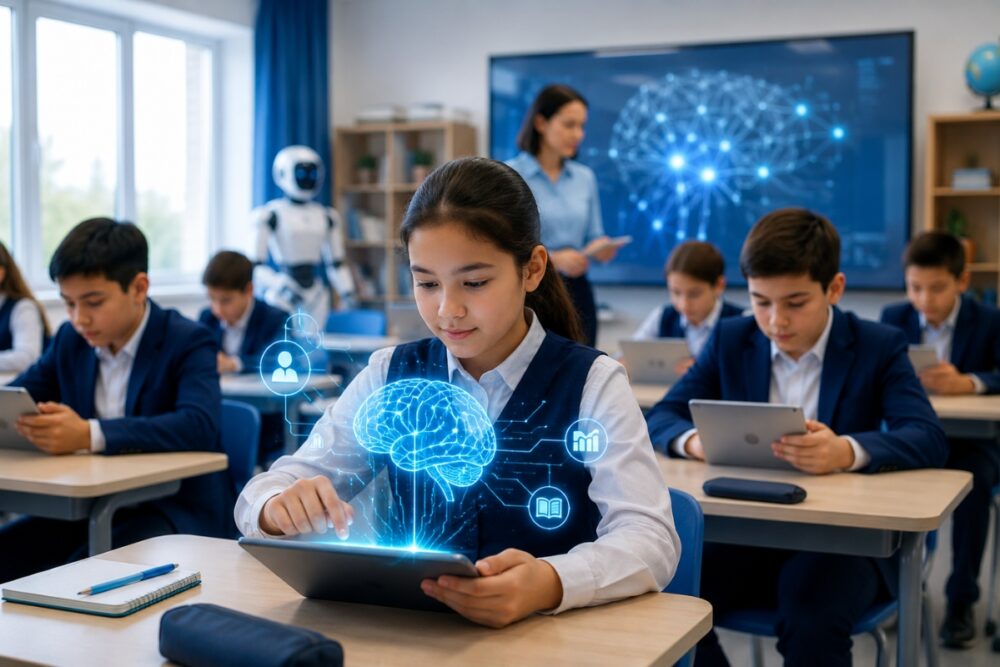
These smart desks are equipped with touchscreens, facial recognition, attention-tracking sensors, and real-time data analytics. Developed by Chinese edtech firms in collaboration with AI labs, Hikvision and education ministries, the desks adapt to a student’s learning style by monitoring posture, focus levels, and response accuracy.
“The AI desk functions like an intelligent tutor. It alerts teachers when a child struggles to concentrate or falls behind, helping them offer targeted support almost instantly.”
Liu Wen, lead engineer at Huaxia AI Systems
Each desk syncs with a cloud-based platform that stores student progress, analyses behaviour patterns, and delivers personalised learning content. Parents can also access dashboards to track their child’s academic development, daily focus levels, and even nutritional suggestions based on activity. The AI system also gamifies learning, offering interactive exercises and real-time feedback designed to make education more engaging and adaptive.
Next Generation Innovations
Developers are already working on next-generation AI desks with multilingual support, emotion detection, and haptic feedback for enhanced accessibility. Experimental models include built-in language learning AIs and augmented reality modules for interactive science and geography lessons.
A pilot programme in Shanghai is testing voice-controlled AI desks that allow students to ask questions verbally, enabling more natural interaction, especially for those with reading difficulties or special needs.
Policy and Educational Vision
According to the policy report, China’s Ministry of Education views AI-enhanced classrooms as key to cultivating technological fluency. Starting as early as grade one, students are introduced to algorithmic thinking, digital ethics, and human-computer interaction principles, topics often reserved for university curricula elsewhere. A recent government directive stated,
“To lead the future, we must understand it early,” stated a recent government directive. “AI literacy should be as fundamental as reading and math.”
Concerns Around Privacy and Ethics
While the initiative has been widely praised for innovation, some parents and educators have expressed concern. Critics argue that constant surveillance could create pressure or raise ethical questions about student privacy. Privacy watchdogs, including Human Rights Watch, have cautioned against over-monitoring children in school settings.
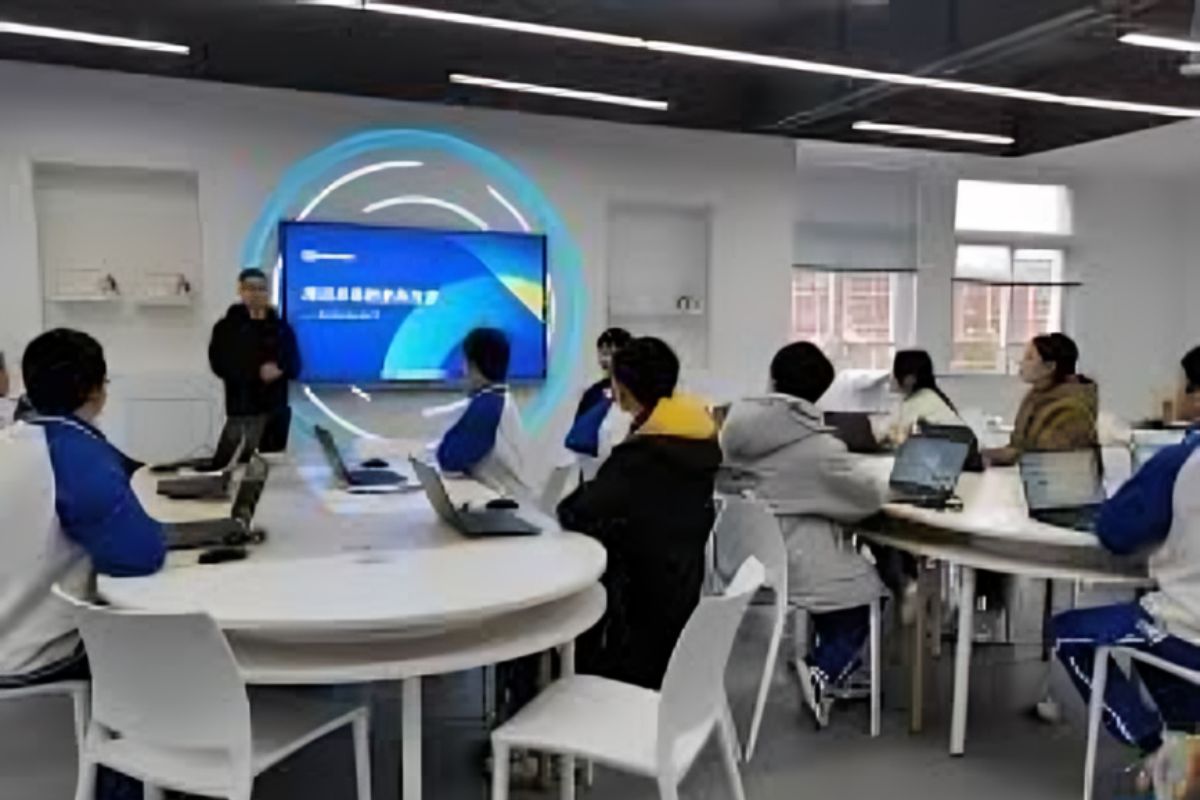
In response, education officials have promised stricter data governance, including encryption, limited access, and anonymised analytics.
Global Interest in AI Classrooms
As China advances in AI-driven education, other countries are watching closely. Pilot programmes modelled after these smart classrooms are already underway in parts of Singapore, South Korea, Japan, and the United Arab Emirates.
“We’re witnessing the birth of a new kind of learning environment, one that blends human empathy with machine intelligence. The question is whether the rest of the world will follow.”
Dr. Marina Kohl, an education futurist at the OECD Learning Compass
While still in early deployment, AI desks are expected to become standard in urban schools across China by 2030. Proponents believe they will close learning gaps, increase student engagement, and prepare youth for an AI-saturated job market.
For now, the sight of a 7-year-old solving maths problems at a glowing desk that tracks focus and provides real-time feedback is no longer science fiction, it is the new reality of China’s classrooms.