



Moving to Japan

Excellent Public TransportIB · British · AmericanInternational SchoolsSafe & Family-FriendlyWorld-Class Cities

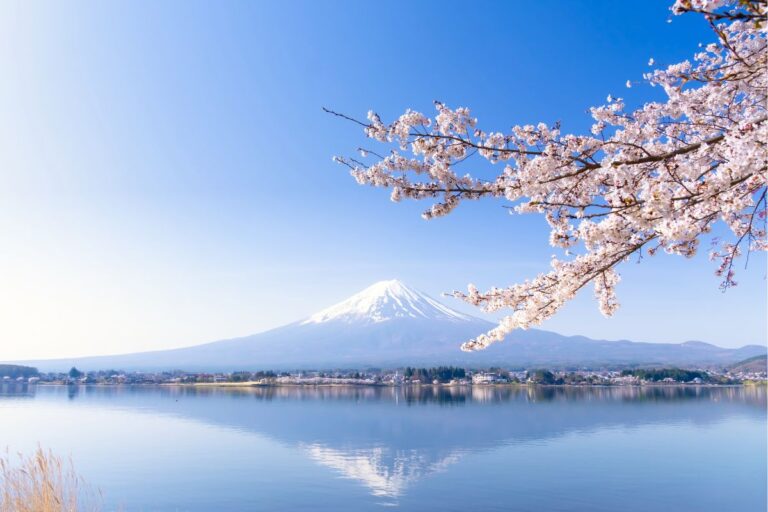
Japan lies in the northern part of East Asia and consists of a chain of islands, the main ones being Honshu, Hokkaido, Kyushu, and Shikoku. Geography plays a big part in how the country feels, you have some of the busiest cities in the world, but also mountains, coastline, and quieter areas not far away.

For many people moving to Japan, the first thing they notice is how well everything works. Trains run on time, cities are clean, and there is a real sense of order in day-to-day life. Places like Tokyo are fast-paced and busy, while cities such as Kyoto and Osaka feel more traditional yet remain incredibly efficient.

That said, it does take some getting used to. Language is probably the biggest adjustment, as English isn’t widely spoken outside international settings. Simple things can feel more complicated at first, and there are clear expectations around behaviour and etiquette that take time to understand.

Cost-wise, Tokyo can be expensive, particularly for housing and schooling, although everyday living, food, and transport can be more manageable than people expect.

Japan is also one of the safest places you can live, which is a big factor for families. It can feel quite formal and a bit reserved at first, but once you settle in and find your routine, it becomes a very comfortable place to live.

Overall, Japan offers something quite different: structured, safe, and culturally rich, and for many families, that’s exactly what makes it such a rewarding place to be.

Japan

At a Glance

Currency: JPY
Language: Japanese / English
Time zone: JST UTC +9
School fees: JPY 1.5m to JPY 4.5m+ per year
Visa type: Dependant / Student / Work
Climate: Temperate / Subtropical

Education in Japan: 10 Key Things Parents Should Know

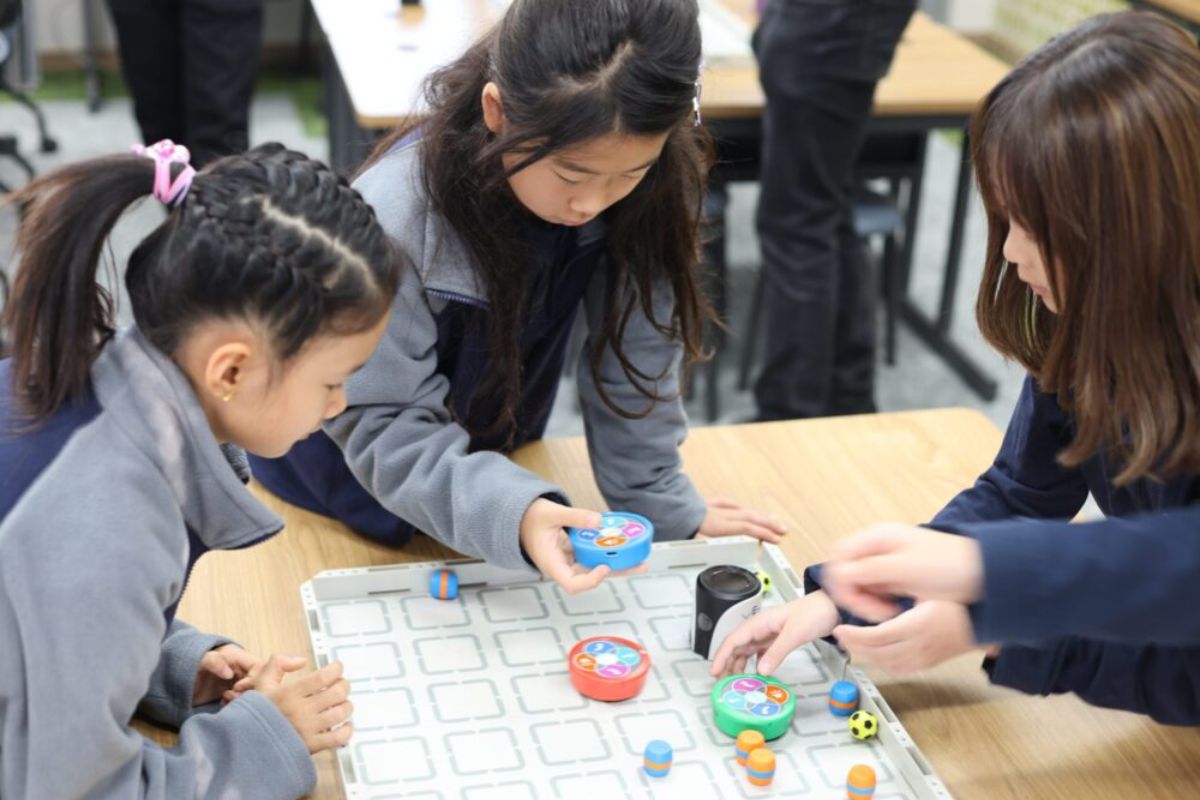
Most expat families choose international schools, as the local system is taught in Japanese and can be academically intense. Local schools are well respected and structured, but without Japanese language fluency, they can be very difficult to access and settle into.
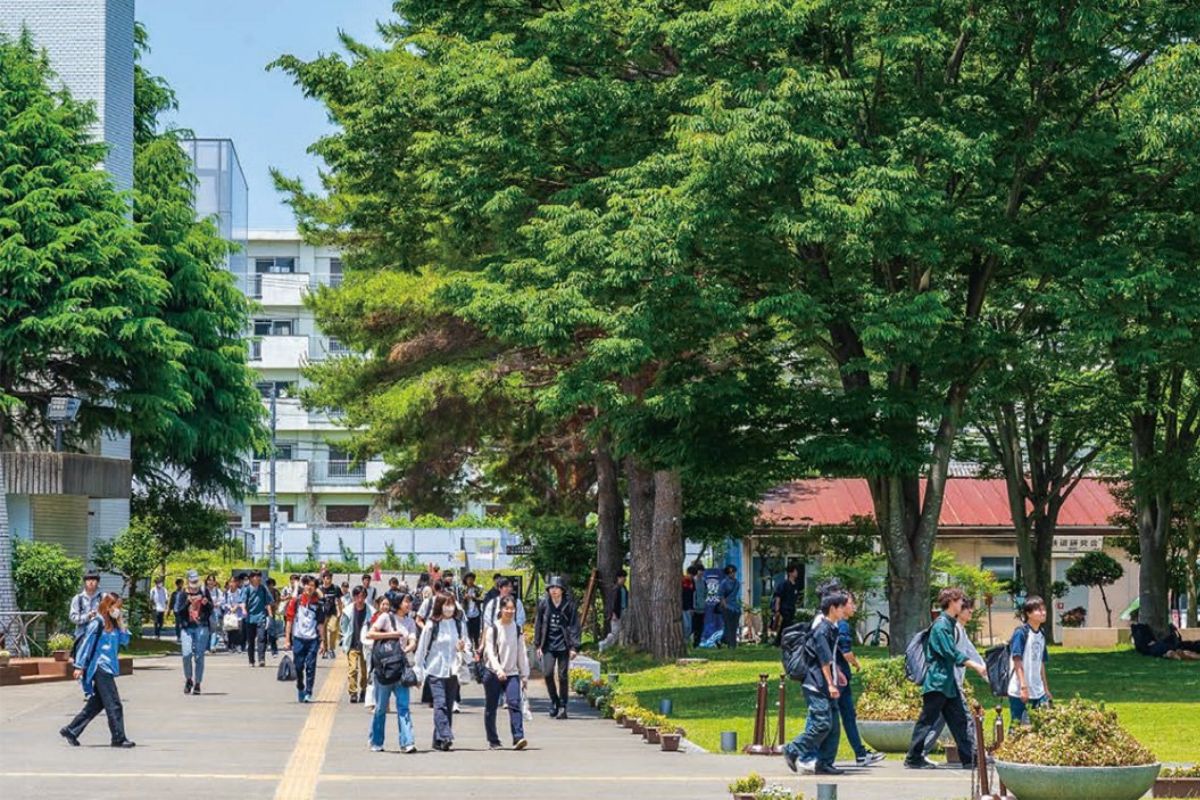
Tokyo and Yokohama have a good selection of international schools, but demand is high. Some of the more established schools have waiting lists, particularly in primary years. It is worth applying early and keeping in regular contact with admissions teams.
Commutes can be long and crowded, particularly during peak times. Many families choose to live within a manageable distance of the school rather than prioritising other areas. A short commute makes a significant difference to daily life. It is very common to see children as young as 6 using the train and metro system alone, as most children travel unaided to and from school.
Japan places a strong value on education, and this is reflected across most schools. Even international schools often have high expectations around effort, behaviour, and progress, although the style may feel more balanced than the local system.
Schools in Japan tend to be highly organised, with clear routines and expectations. Punctuality, respect, and behaviour are taken very seriously, and this is embedded from an early age. For some families, this structure is a real positive.
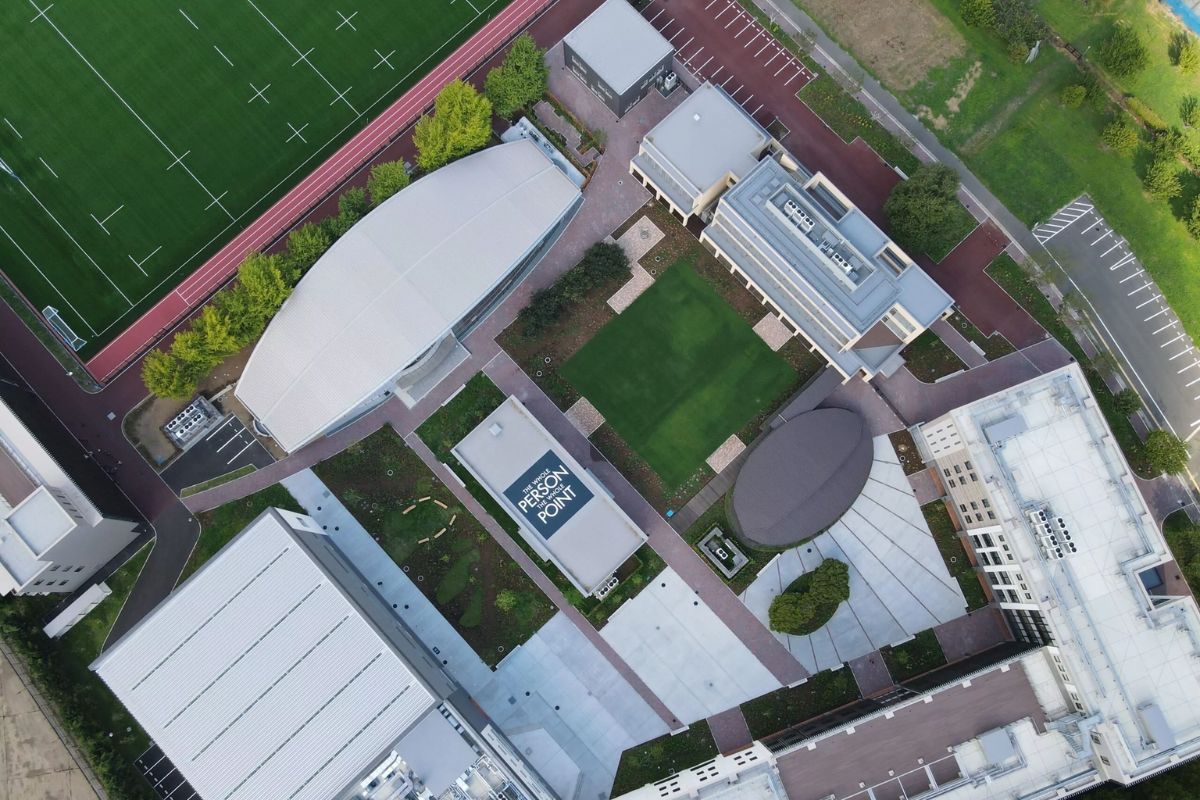
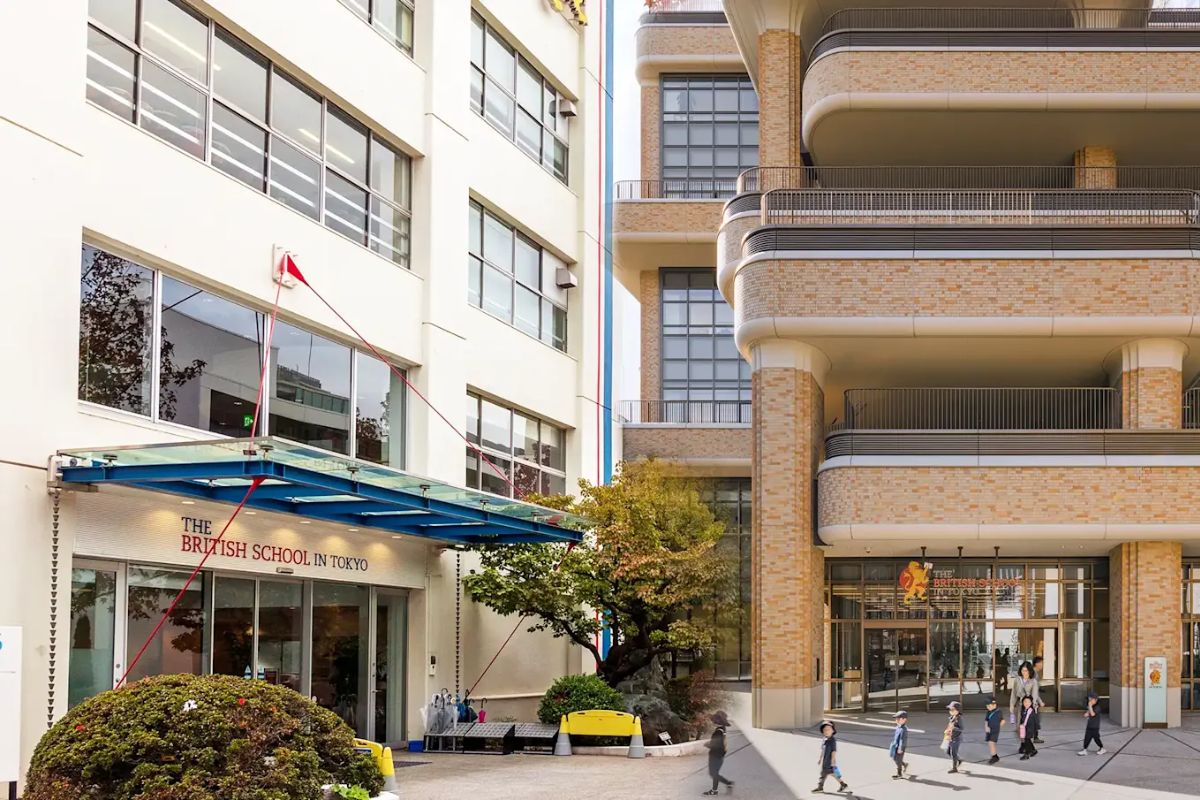
In central Tokyo, space is limited, and some international schools operate on smaller campuses or across multiple buildings. This can feel different compared to schools in other countries, although many make good use of the space they have.
International schools are experienced in welcoming families from abroad and generally provide strong pastoral care and transition support. However, settling in culturally can still take time, particularly for older students. If you know you will be moving to Japan, try to learn basic phrases and start embedding key vocabulary.
International school fees in Japan are significant, especially in Tokyo. In addition to tuition, families should consider transport, uniforms, and extracurricular costs as part of the overall picture.
Compared to some other countries, extracurricular provision within schools can be more limited. Many families supplement this with external activities such as sports clubs, music, or language lessons. Most international schools also offer extended summer school in the summer holidays
School communities can feel more reserved initially, reflecting the wider culture. It may take time to build relationships, but once established, they tend to be strong and supportive. However, many will add in a wide range of events to support the community, such as dinners, picnics, sporting events, etc.

Top Tips about Japan

English is not widely spoken outside international settings, particularly in everyday situations. Simple things like setting up utilities, visiting the doctor, or dealing with paperwork can feel challenging at first. Many expats rely on translation apps early on, and learning some basic Japanese makes a real difference.
Japan is incredibly organised. Trains run on time, systems are efficient, and there is a strong sense of order in daily life. For many, this is a huge positive, but it can also feel quite formal and rule-driven compared to more relaxed environments.
Apartments can be smaller than expected, particularly in cities like Tokyo. There are also additional upfront costs such as key money, deposits, and agency fees. Many expats initially choose serviced accommodation before committing to longer-term housing.
Public transport is one of Japan’s biggest strengths. Trains and metros are efficient, safe, and easy to use once you are familiar with them. Most expat families rely entirely on public transport for daily life.
Tokyo can be expensive, particularly for housing and schooling, while other cities can be more manageable. Day-to-day costs such as food and transport are often more reasonable than people expect.
Japan has a reputation for long working hours and a strong sense of commitment to the workplace. This can vary depending on your role and company, but it is something to be aware of when planning family routines.
Japan is widely considered one of the safest countries in the world. It is clean, well-maintained, and very family-friendly, which makes a big difference to day-to-day living.
There are strong cultural norms around behaviour, politeness, and social interaction. Things like queuing, noise levels, and general conduct are taken very seriously. It takes time to adjust, but most expats come to appreciate it.
Food is a major part of life in Japan, from everyday meals to dining experiences. Even simple local restaurants offer high-quality food, and there is a strong culture around eating well. Finding home comforts can be more difficult because, unlike in other countries, production is limited and items are imported into supermarkets. If you like a particular sauce or jam, it would be an idea to bring it.
Japan can feel quite closed socially at first. It can take time to build friendships, particularly outside the expat community. Once you find your network, though, it becomes much easier and far more enjoyable. Do not be put off by feeling a little more isolated than normal in the first few months.

Related Articles

Top 5 Education Options in Japan

Early Learning

Privacy Overview

This website uses cookies so that we can provide you with the best user experience possible. Cookie information is stored in your browser and performs functions such as recognising you when you return to our website and helping our team to understand which sections of the website you find most interesting and useful.