



Moving to Singapore

English-speakingExcellent Public TransportInternational SchoolsSafe & Family-FriendlyWorld-Class Cities

Singapore has become one of the most popular destinations, and it is easy to see why. Set in Southeast Asia, the city-state offers a unique blend of cultures, combining Chinese, Malay, Indian, and international influences into a place that feels both global and distinctly local. For families relocating, it provides a strong sense of structure, safety, and opportunity.

Life in Singapore is defined by efficiency. Public transport is reliable, services run smoothly, and day-to-day living is straightforward in a way that many other cities cannot match. It is also widely recognised as one of the safest places in the world, which is a major draw for families. English is commonly used, making the transition easier for those moving from abroad.

Singapore is also a city built around people from all over the world. A significant proportion of the population comprises expatriates, creating a diverse and well-connected international community. It is relatively easy to meet others, settle into routines, and build a social network.

That said, the cost of living is high, particularly for housing and education. Planning ahead and understanding your overall package is essential. However, alongside this come a high standard of living, excellent infrastructure, and strong educational options, which many families feel justify the expense.

Overall, Singapore offers a lifestyle that is organised, secure, and well supported, making it one of the easiest and most appealing places to relocate to.

Singapore

At a Glance

Currency: SGD
Language: English, Malay, Mandarin Chinese and Tamil
Time zone: SGT, UTC+8
School fees: SGD 45,000 to SGD 55,000+
Visa type: Dependant / Student / Work
Climate: Temperate / Subtropical

Top Tips about Singapore

Singapore offers an excellent quality of life, but it is not a cheap place to live. Housing and schooling will be your biggest expenses, particularly if you are opting for an international school. Day-to-day living can be managed more easily, but it is important to arrive with a clear understanding of your overall package and what is included. Singapore has a progressive personal income tax system, with rates ranging from 0% to 24% for resident taxpayers.
Most expat families live in condominiums with shared facilities such as pools, gyms, and security. Popular areas include the East Coast for a more relaxed, family feel, Bukit Timah for proximity to schools, and central areas like Orchard for convenience. One of the biggest pieces of advice is to secure your school first, and where you live will often follow.
School places can be one of the more stressful parts of the move. International schools are in high demand, and waiting lists are common, particularly in certain year groups. It is worth getting your child’s name down early, even if your plans are not fully confirmed.
Singapore is incredibly easy to navigate. The Singapore Mass Rapid Transit (MRT) system is reliable, clean, and efficient, and taxis are readily available and relatively affordable. Most expat families choose not to have a car, which helps offset some of the higher living costs. Bolt and Uber do not operate in Singapore. The ride-hailing market is dominated by Grab, Gojek, Tada, and CDG Zig.
Life in Singapore is busy but very manageable. The city is designed to make things easy — from shopping to transport to services. Weekends often revolve around brunch, outdoor spaces, malls, or short trips to nearby countries.
The climate is hot and humid year-round, with frequent rain showers. There is very little seasonal change, which can take time to adjust to. Air conditioning becomes a big part of daily life.

Singapore is widely regarded as one of the safest cities in the world. It is very common to see families out late, and there is a strong sense of order and security throughout the city.
Singapore is genuinely multicultural, with a mix of Chinese, Malay, Indian, and international influences. English is widely spoken, which makes settling in easier, and there is a strong expat community. That said, building your own network takes a bit of effort early on, especially since many families live in Singapore for extended periods. Community via schools helps, and there are many events, clubs, organisations, and sporting clubs to join that help with introductions.
Working hours can be demanding depending on your role, but the city's efficiency helps balance them. Many families quickly fall into structured routines, particularly around school schedules and activities.
Singapore is incredibly easy to live in, but it can feel quite structured and controlled. For many families, this is part of the appeal; everything works. The key is finding your rhythm, your community, and making the most of what the city offers.

Education in Singapore: 8 Key Things Parents Should Know

Singapore is known globally for its strong education system and consistently high outcomes. Schools are structured, well-resourced, and focused on progress, with a reputation for producing confident, capable students who go on to top universities. For many families, this is a key reason for relocating.
Families will need to choose between the local system and international schools. Local schools are academically rigorous and more affordable, but access for expatriates can be limited, with priority given to citizens and permanent residents. As a result, most expat families opt for international schools for flexibility and familiarity.
Competition for places is strong, particularly in well-established international schools. Waiting lists are common, and availability can vary significantly by year group. Starting the admissions process early, even before relocation is confirmed, can make a considerable difference.
There are two different academic calendars to be aware of. Local schools typically run from January to November, while most international schools follow an August-to-June structure. This can impact entry points, particularly for families arriving mid-year.
Singapore offers a broad range of curricula, including British, IB, American, Australian, and others. Some schools also offer hybrid models that combine elements of different systems, which can be helpful for families who may relocate again in the future.
International school fees are among the highest globally. However, this is often reflected in the overall provision, including facilities, extracurricular programmes, and wider support. It is important to look beyond tuition and understand the full cost, including transport and additional activities.
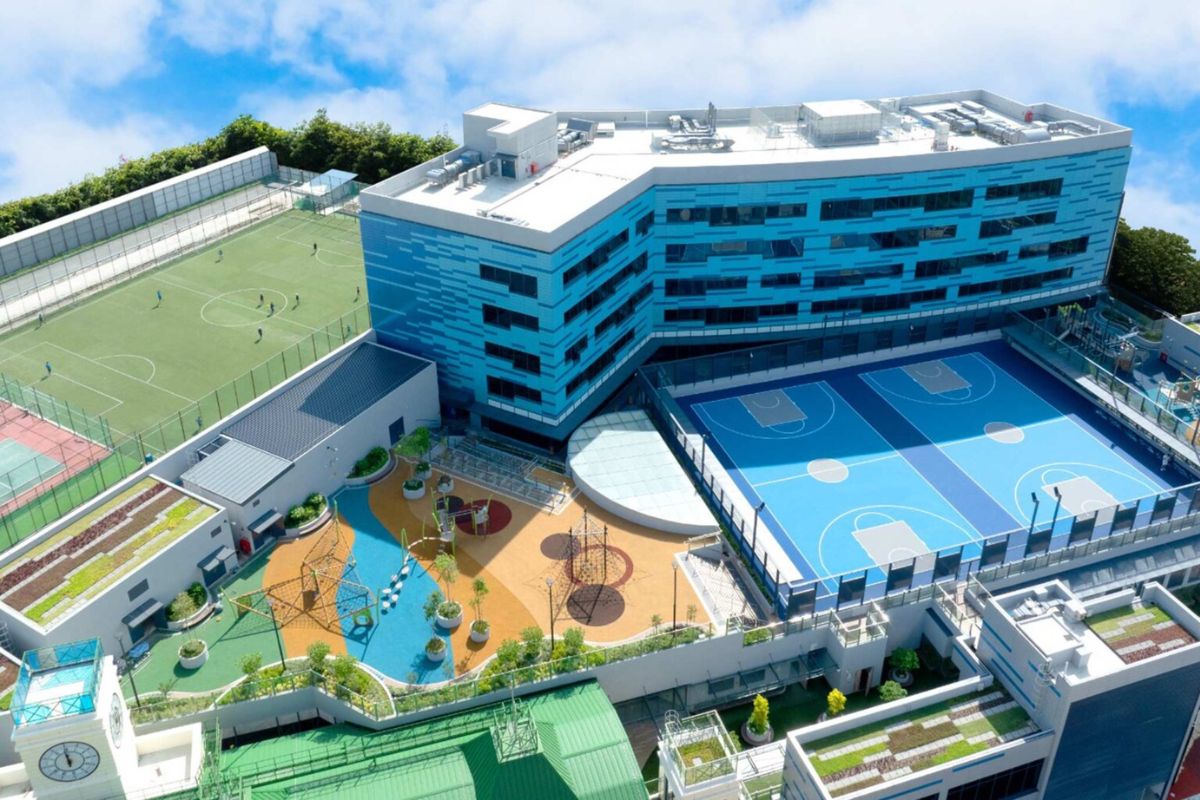
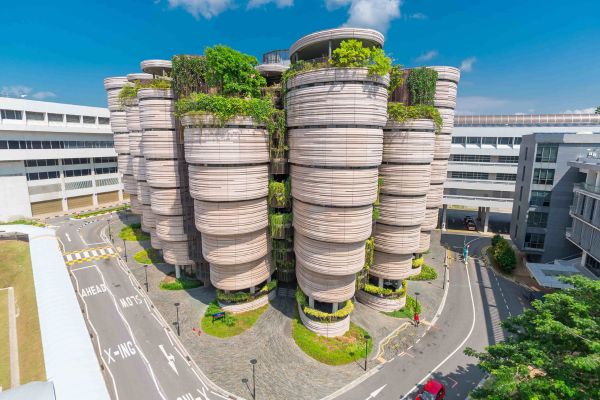
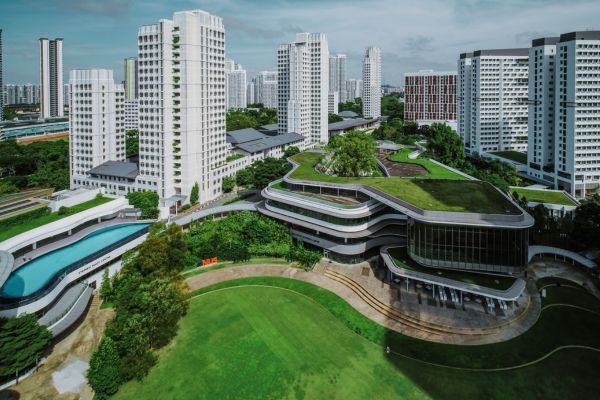
Schools in Singapore are typically well designed, with strong emphasis on sport, arts, and wider enrichment. Extracurricular opportunities are extensive and form an important part of the student experience. Campuses are varied and impressive.
Daily life plays a big role in school choice. While Singapore is easy to navigate, travel time can still impact routines. Many families prioritise living near the school once a place is secured, rather than the other way around.

Related Articles

Top 5 Education Options in Singapore

Early Learning

Privacy Overview

This website uses cookies so that we can provide you with the best user experience possible. Cookie information is stored in your browser and performs functions such as recognising you when you return to our website and helping our team to understand which sections of the website you find most interesting and useful.