



Moving to Hong Kong

One of Asia's most dynamic cities for expat families where global connectivity meets deep cultural richness.
English-speakingIB · British · AmericanInternational SchoolsOne Country, Two SystemsSafe & Family-Friendly

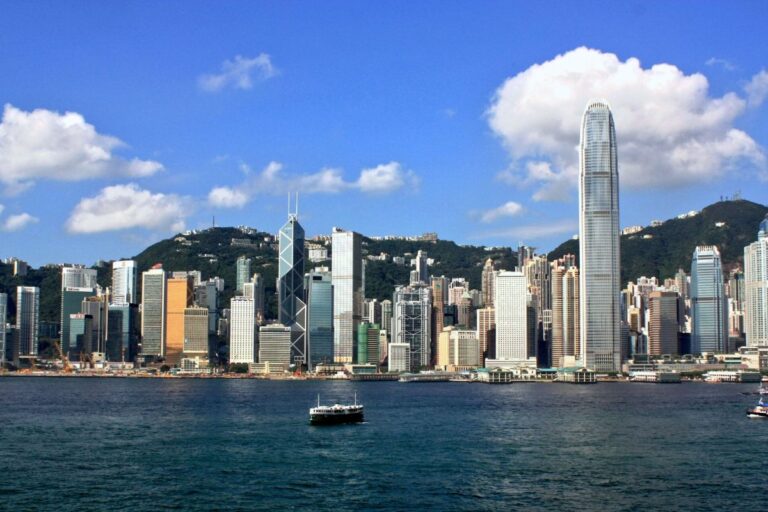
Perched on the southeastern coast of China, Hong Kong is a city defined by contrast. It is where East meets West in a very real sense, a place where modern skyscrapers and global finance sit alongside traditional markets, temples, and long-standing cultural practices. For families relocating, it offers both energy and opportunity, but also a pace of life that takes some adjustment.

A former British colony until 1997, Hong Kong now operates as a Special Administrative Region under the “One Country, Two Systems” framework. This gives it a high degree of autonomy, with its own legal and economic systems, which is one reason it continues to attract international professionals and businesses.

Geographically, Hong Kong comprises Hong Kong Island, Kowloon, the New Territories, and over 200 outlying islands. While the city is known for its density and vertical living, it is also surprisingly green, with large areas of countryside, beaches, and hiking trails never far away.

Economically, Hong Kong has long been a major global financial hub, known for its low taxation, open market, and international outlook. This continues to draw expatriates from across the world, creating a diverse and well-established international community.

With a population of just over seven million, the city is busy, efficient, and highly connected. For many expat families, Hong Kong offers a unique combination of career opportunities, high-quality education, and a lifestyle that is both challenging and rewarding in equal measure.


Hong Kong

At a Glance

Currency: HKD
Language: Cantonese/ English
Time zone: HKT (UTC +8)
School fees: HK$100k-200k/yr
Visa type: Dependant / IANG
Climate: Subtropical

Top Tips about Hong Kong

There is no avoiding it, Hong Kong is expensive, particularly when it comes to housing. Space comes at a premium, and what you might expect elsewhere will feel very different here. That said, daily living can be more balanced. Transport is affordable, eating out is accessible at all levels, and there are ways to manage costs once you settle in.
Where you choose to live will shape your entire experience. Many families look at areas such as Mid-Levels, Discovery Bay, Repulse Bay, or Sai Kung. Each offers something different, whether that is proximity to the city, access to outdoor space, or a stronger sense of community. Commute is key. What looks close on a map can feel very different in reality.
Hong Kong moves quickly. The working culture is fast-paced, and days can feel full. However, there is also a strong contrast. Within 20 minutes, you can move from a busy city environment to beaches, hiking trails, and open space. Weekends often become a balance between the two.
The climate is something families need to adjust to. Summers are hot, humid, and intense. It can feel draining, particularly for younger children. On the other hand, the winter months are mild and comfortable, and often, families make the most of being outdoors. There can also be elements of strong storms (Typhoons). Hong Kong experiences an average of 5 to 6 tropical cyclones within 500 km of its coast each year, with the peak season running from June to October.
One of Hong Kong's biggest strengths is how easy it is to get around. The MTR is reliable, clean, and efficient. Taxis are widely available, and public transport overall is far easier than in many other major cities. Uber, Bolt, and taxis all have advantages and disadvantages. Many families choose not to have a car, especially if living centrally.
Healthcare is excellent, with both public and private options available. Most expatriate families opt for private healthcare through insurance, which provides quick access and high-quality care. It is something worth organising early to avoid any stress later on.
Hong Kong is widely considered a very safe place to live. Families often comment on how comfortable they feel moving around, even late in the evening. It is one of the aspects that makes it particularly appealing for those relocating with children.
While Hong Kong can feel transient, there are strong communities if you make the effort to connect. School communities play a big role, as do sports clubs, social groups, and local networks. Once you find your circle, it becomes a much smaller and more supportive place. There are big attractions like Disney or Ocean Park, but equally, there are so many more low-key events and clubs that offer great community perks. Nightlife is vibrant and varied, with a stunning range of Asian and international fine dining to street food.
Working hours can be long, and the pace can take some getting used to. Balancing this with family life requires some planning, particularly around school routines, activities, and travel time. Many families quickly develop structured routines to manage this.
Hong Kong can feel overwhelming at first. The space, the pace, and the environment are all very different. But over time, it becomes one of those places that offer a wealth of opportunities, lifestyle, and experiences that are hard to match elsewhere. Most families who embrace it properly end up leaving with very strong memories and a real sense of connection to the city. For many, Hong Kong is a stable place to live and one they have chosen as home for many years.

Education in Hong Kong: 8 Key Things Parents Should Know

Hong Kong runs both a local and international system, and the experience is very different. Local schools are more traditional, academically driven, and often taught in Cantonese or Mandarin, while international schools offer more flexibility and familiar curricula for expat families. Most relocating families choose international schools, but availability will shape your options.
Admissions can be competitive, particularly for well-known schools. It is not uncommon for families to register interest well in advance or place their child on waiting lists before arriving. If Hong Kong is even a possibility, it is worth starting conversations early; this can make a significant difference later on.
Where you live should be considered alongside school choice. Inner city schools (Hong Kong Island, Kowloon) are more accessible but often have smaller campuses and limited outdoor space. Schools further out (New Territories, Discovery Bay, Sai Kung) tend to offer larger campuses and more space, but come with longer commute times. Daily travel can quickly become one of the biggest factors in family routine.
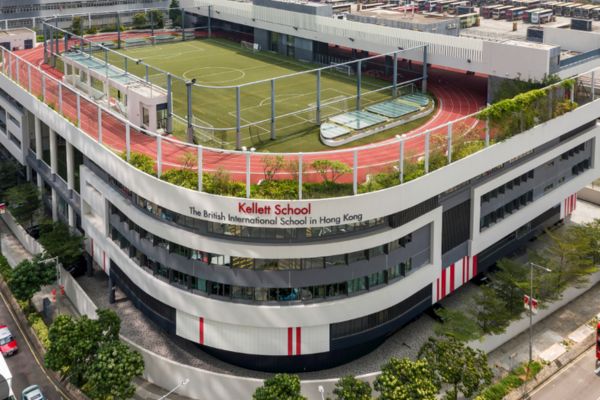
Unlike many countries, space is not guaranteed. Some excellent schools operate within compact, vertical campuses with limited outdoor areas. Others, particularly outside the city center, offer larger sites with extensive sports and outdoor facilities. It is worth visiting to understand what this looks like in reality. Picking a school ahead of accommodation is advised.
With British, IB, American, and local options available, the choice of curriculum should be made with future plans in mind. Whether you expect to relocate again or stay long term will influence what is the best fit for your child.
Fees in international schools are high, but additional costs can be significant. Debentures, capital levies, transport, uniforms, and extracurricular activities all add up. It is important to look at the full picture, not just headline fees.
English is the main language in international schools, but Mandarin is widely taught and increasingly important. Academic expectations can be high, even in more holistic schools, so it is worth understanding the balance between academic pressure and wider development.
Most international schools are experienced in welcoming new families and offer transition support, including EAL provision where needed. However, settling in can still take time, particularly given the city's pace. Asking how schools support new students is important. It is worth asking about the student population and how transient it is, as many families remain in Hong Kong for longer postings.

Related Articles

Top 5 Education Options in Hong Kong

Early Learning

Privacy Overview

This website uses cookies so that we can provide you with the best user experience possible. Cookie information is stored in your browser and performs functions such as recognising you when you return to our website and helping our team to understand which sections of the website you find most interesting and useful.