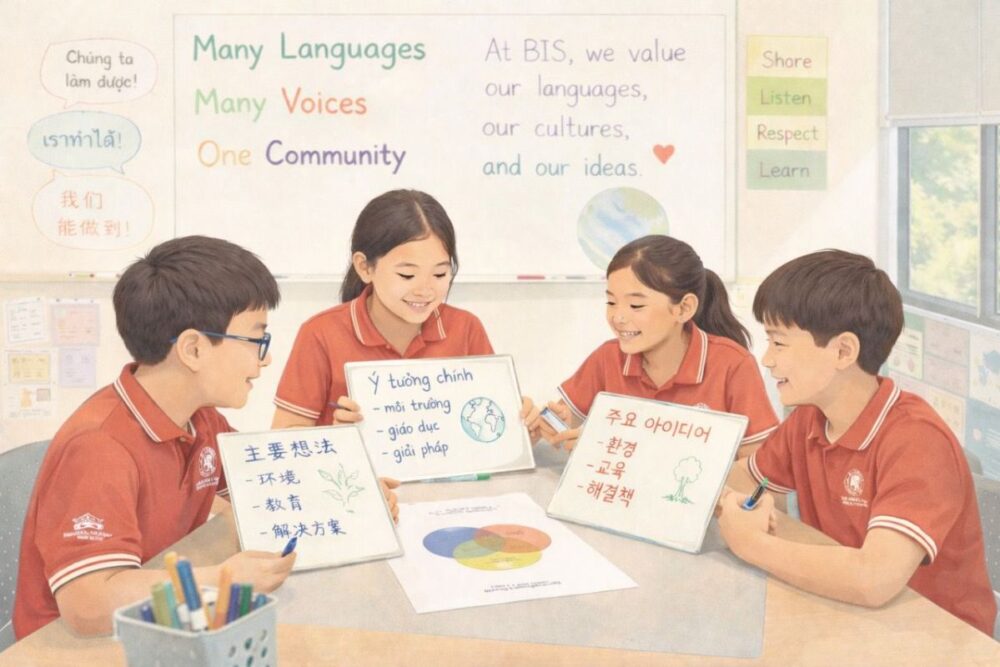

I ran an International Preschool just outside of Tokyo, Japan for a little over 6 years with a team that at one point had 24 members of staff with members from Japan, England, America, Cuba, Australia and The Philippines. There was a bustling blend of languages flying around the school also with different levels of English and Japanese, with Spanish, Chinese and Tagalog, all of them also coming with different dialects.
As the Principal of the school, this was both exciting yet a massive learning experience. I had to convey the same message to everyone but not everyone would take that message the same way. If I wanted to praise the staff, some would take it with great pride, yet some would brush it off as just their job. If I had to give criticism then some would take it as a learning experience, some would do everything that they could to deflect it away. Surely you could figure out how to navigate this by understanding different cultures right?
Moving Beyond Cultural Stereotypes
The biggest thing I learned however, and as boring as this might seem but for the most part nationality or culture doesn’t play a huge part in many cases. Sure, you might hear that Japanese people are more reserved, humble and willing to listen to feedback or that Americans are loud, very free and more likely to push back when being talk too but it isn’t as simple as that. Whilst for some people I have worked with, that might be true some of the most argumentative and volatile staff I have had were Japanese, whilst some of the quietest and most reserved staff were American.
Some of the best advice I can give as Principal is that what you believe is best for someone, is not always what that person believes is best for them, at least not at that moment.
My job was to care for the school, the kids and the parents but it was also to try and raise the staff up to believe they can do things they never thought they could do. I was the person who was the center of the school in terms of management, but I would be the person who was seeing the school moving from the outside. Seeing each teacher work, each group communicate, each training session plays out and each school event run.
Learning from Diversity
What I can say about running a multicultural team is that the learning never stops. It is all about taking the positives of each and incorporating it into yourself and your team, even if those people move away one day. If I was to generalise the positives of different countries then the Filipino staff were so positive, yet not afraid to be straight when calling out something they didn’t like. Both Japanese and British staff are quite reserved but take care of the tiny details and make sure to apologise if something goes wrong. Chinese staff were quite analytical and serious, even if the event called for something a bit more upbeat. Australians were up for a great time, no matter if something went wrong.
Taking little parts from all the different people I managed helped me become a better manager. You are the sum of all your parts, and working with people from a country I hadn’t worked for before was like adding tools to my utility belt. Something new to learn and make a part of my character too.
Reflection and Future Growth
Whilst my time as Principal is over, I am grateful for not only the opportunity to manage and work with so many great people but learn so many lessons myself and carry those experiences to make myself even better in the future. I hope also that they were all able to take something from me in return to grow too.
If you want to learn more about running a school in Japan, feel free to reach out by searching Jake Nalton on LinkedIn. Living and working in Japan for 13 years, I changed from graduating University with a degree in Biochemistry to running an International Preschool. Whether 3, or 30 I want to help people become better leaders and take better care of each other.