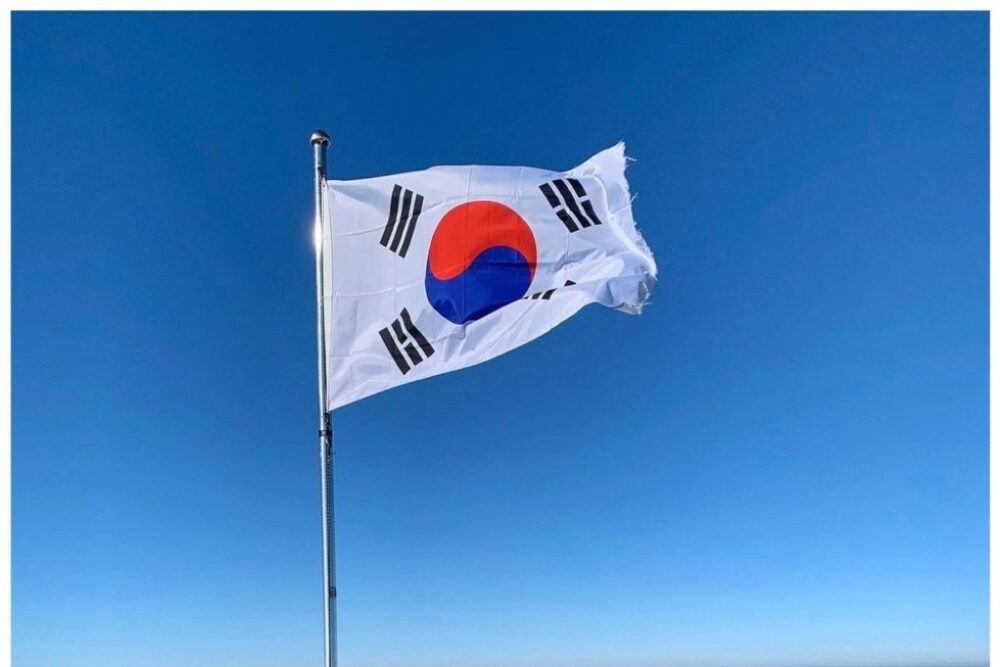
A country that never stops surprising South Korea sits in East Asia, sharing the Korean Peninsula with North Korea to its north. It is roughly the size of Portugal, home to around 52 million people. Despite its small size, it packs an enormous amount in: ancient temples, volcanic islands, buzzing cities, and mountains that beg to be climbed.
Korea has one of the best train systems in the world and a food culture so rich that overeating becomes a daily certainty. It is a place where a thousand-year-old palace sits a ten-minute walk from a neon-lit street market, where Buddhist monks and K-pop fans share the same city. Modern and ancient at the same time, it is absolutely worth visiting.
Seoul: A City That Wears Out Your Shoes
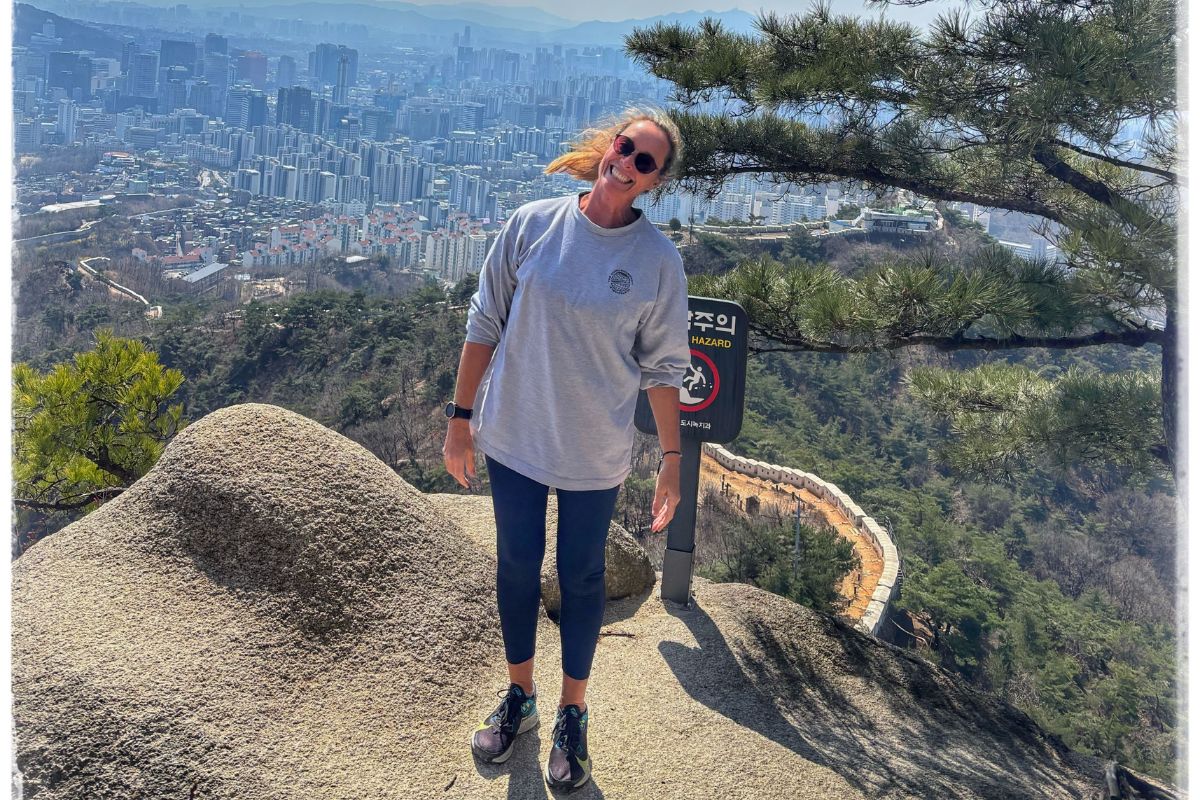
Nobody warns visitors about Seoul’s hills. The tourist brochures show gleaming subway maps and neon-lit streets, but say very little about the fact that this city, one of the most walkable on earth, will quietly destroy the calves of anyone who explores it properly.
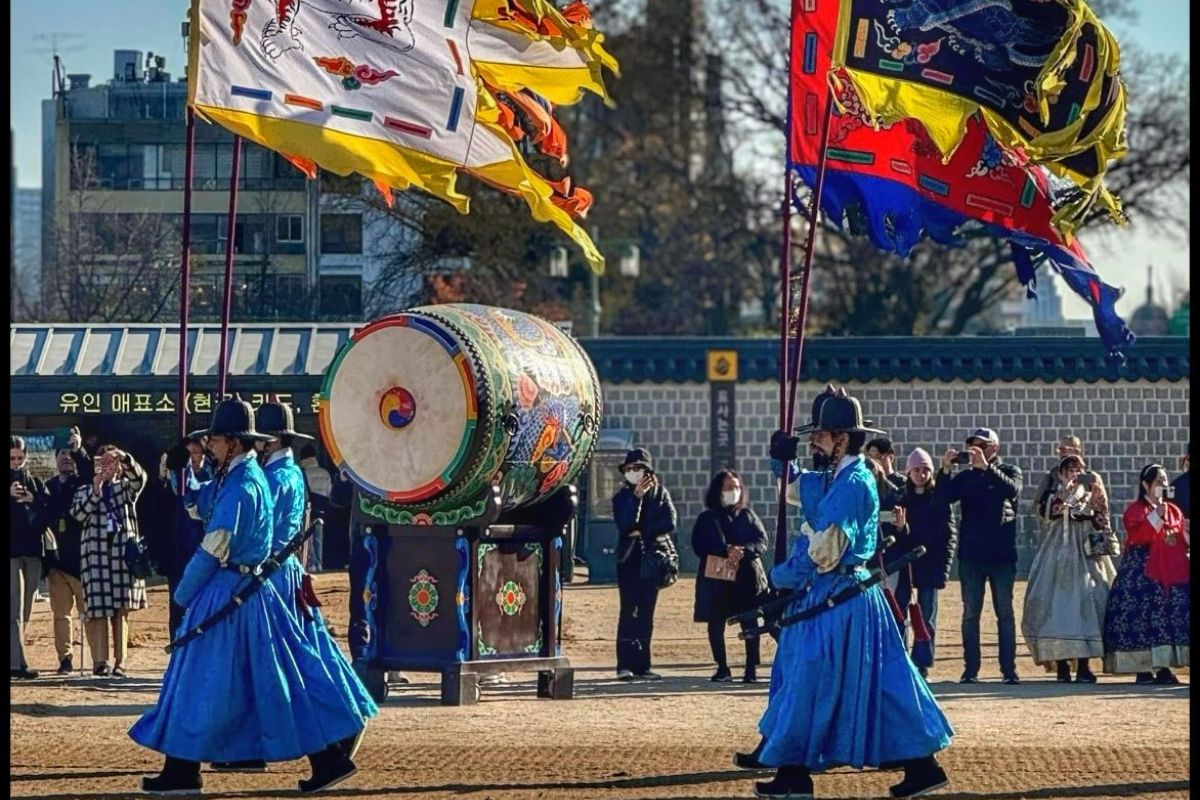
Gyeongbokgung Palace is the natural starting point, where the royal guard changes in full traditional costume and crowds gather to watch. The colours, the drums, the ceremonial flags: it is a performance that has continued for centuries.
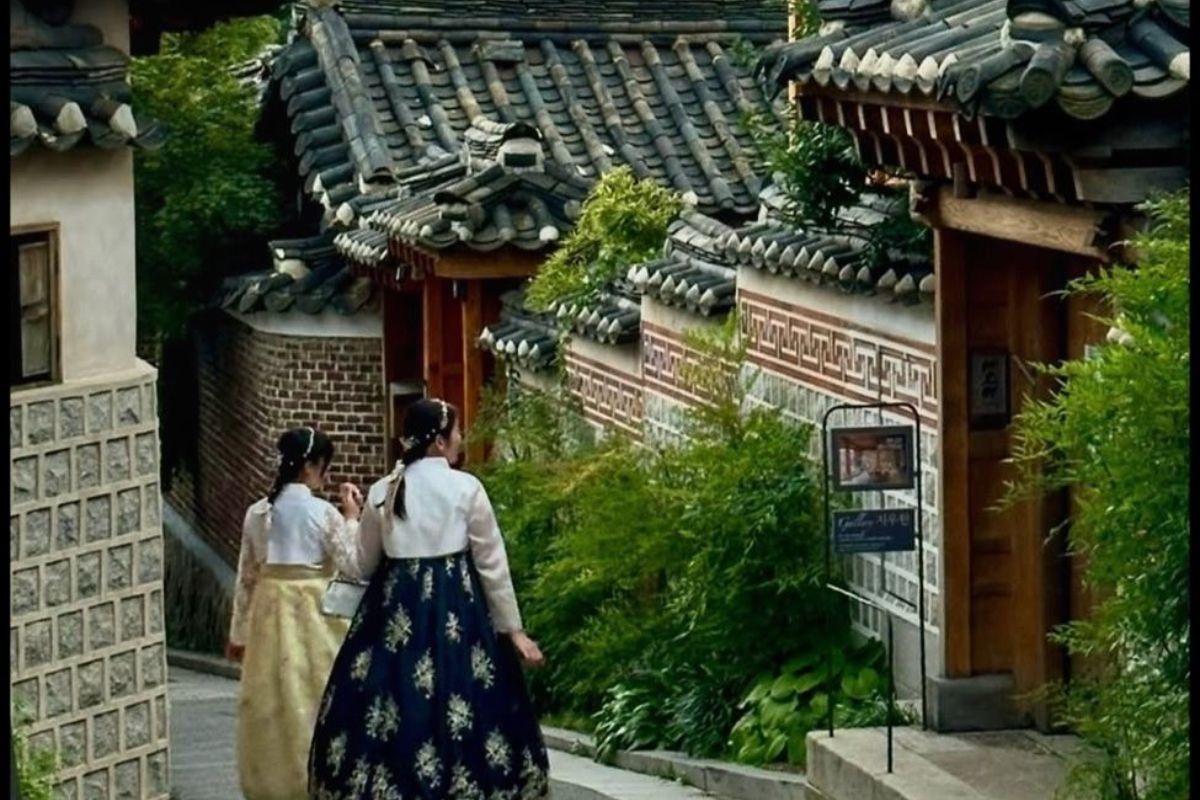
But just fifteen minutes north, the city shifts completely. Bukchon Hanok Village is a neighbourhood of traditional Korean houses, called hanok, with dark tiled roofs and wooden doors climbing up a hillside between modern skyscrapers. A whole morning can disappear there, wandering its quiet lanes.
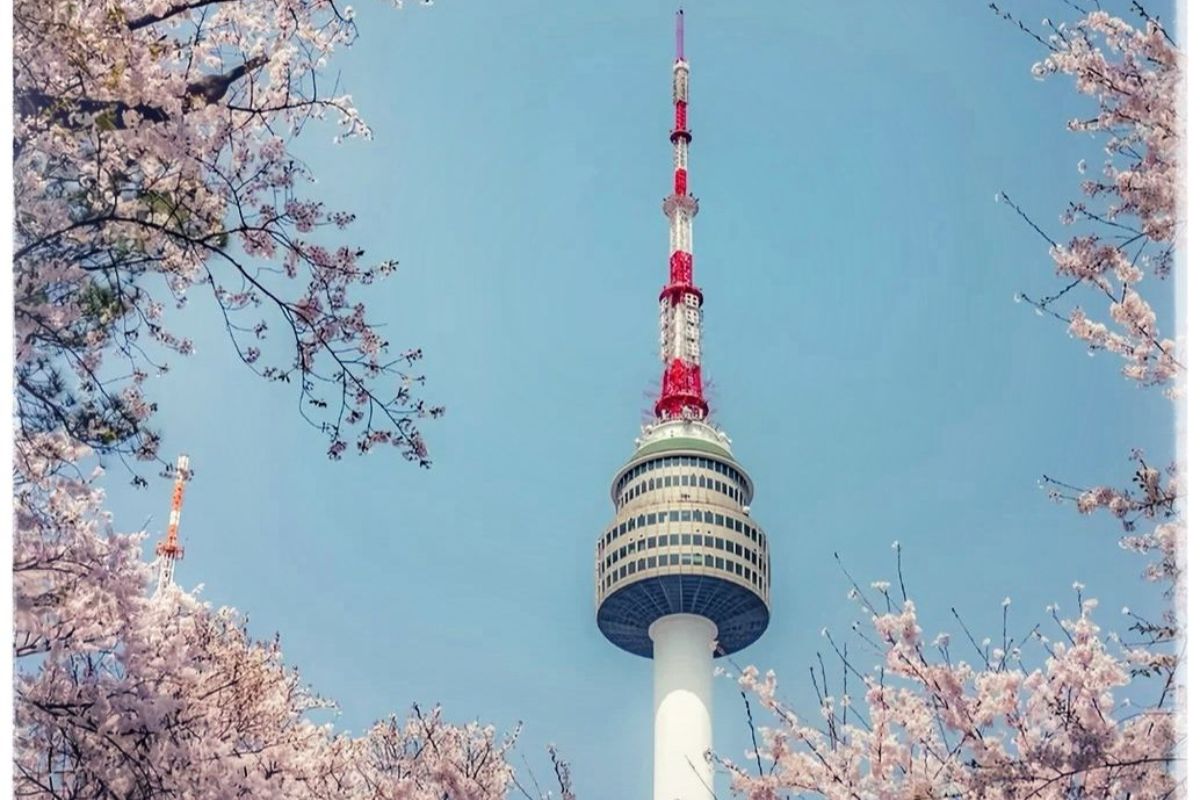
Seoul rewards those who explore on foot. Insadong is filled with small shops selling handmade crafts. Ikseon-dong is a narrow old alley that has become one of the coolest spots in the city. And Dongdaemun at midnight is something else entirely, a busy night market where steam rises from outdoor stalls and the streets fill with locals and travellers alike.
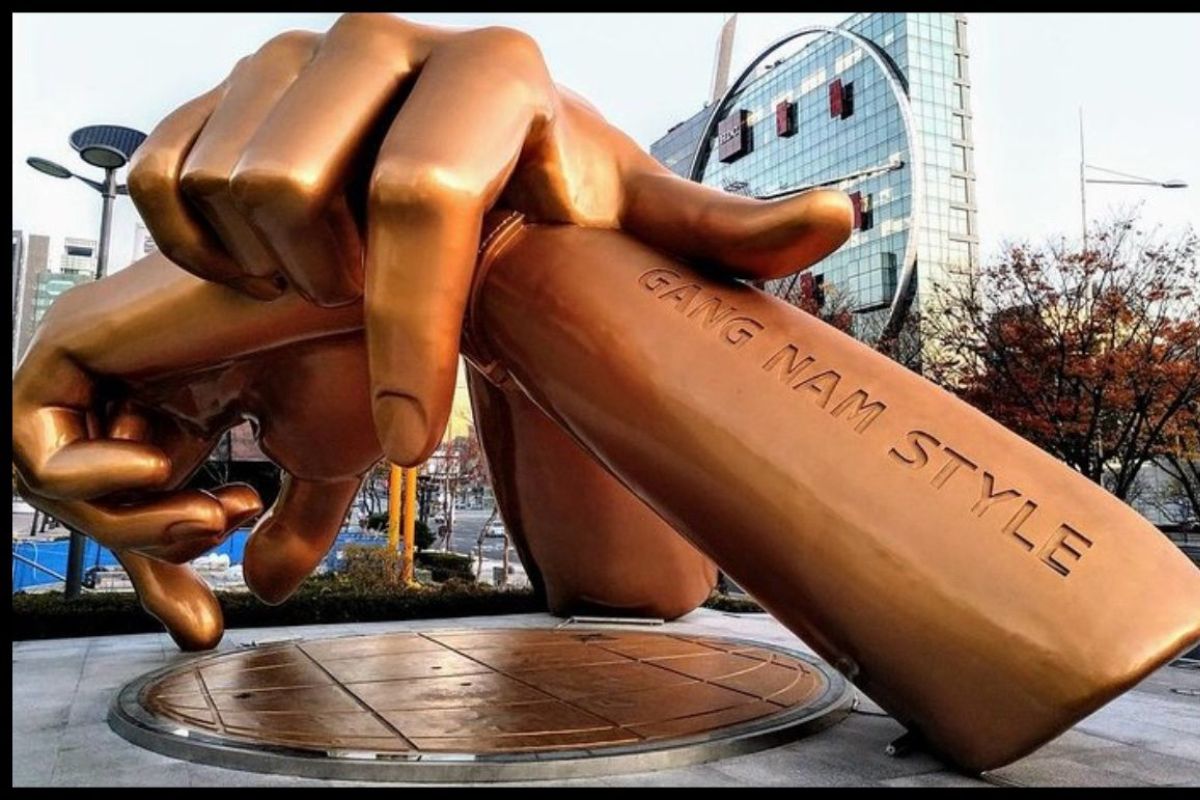
No visit to Seoul is complete without a stop in Gangnam: the district that inspired a global pop culture moment and remains one of the city’s most glamorous and fast-paced neighbourhoods, where designer boutiques, rooftop bars, and the iconic Gangnam Style sculpture sit side by side.
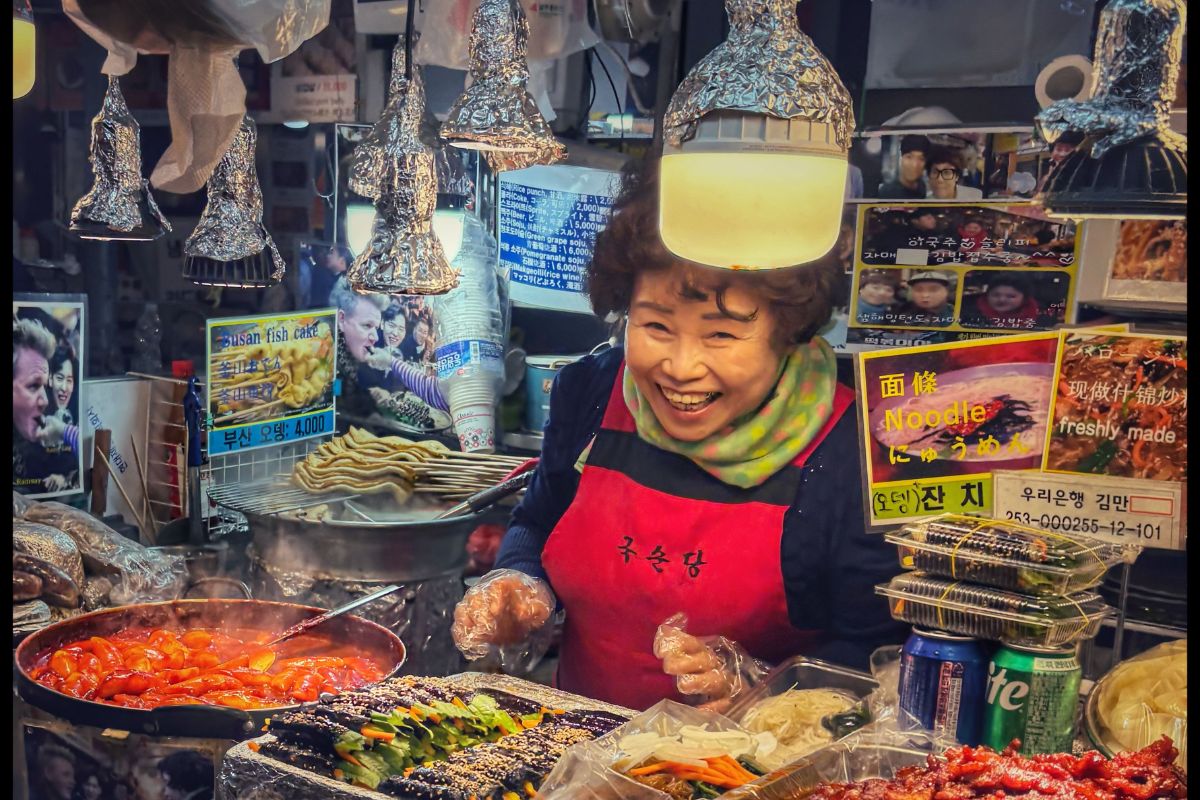
Korea’s famous night market vendors serve Tteokbokki (chewy rice cakes in a spicy red sauce) and dozens of other dishes from counters overflowing with colour and smell. Korean street food is never a lonely experience. It always pulls people into the crowd.
Busan: Salt Air and Fresh Seafood
The KTX high-speed train south to Busan covers the journey in just under two and a half hours: fast, clean, and very affordable. Busan is louder and saltier than Seoul, sitting right on the coast, and it feels like it from the moment of arrival.
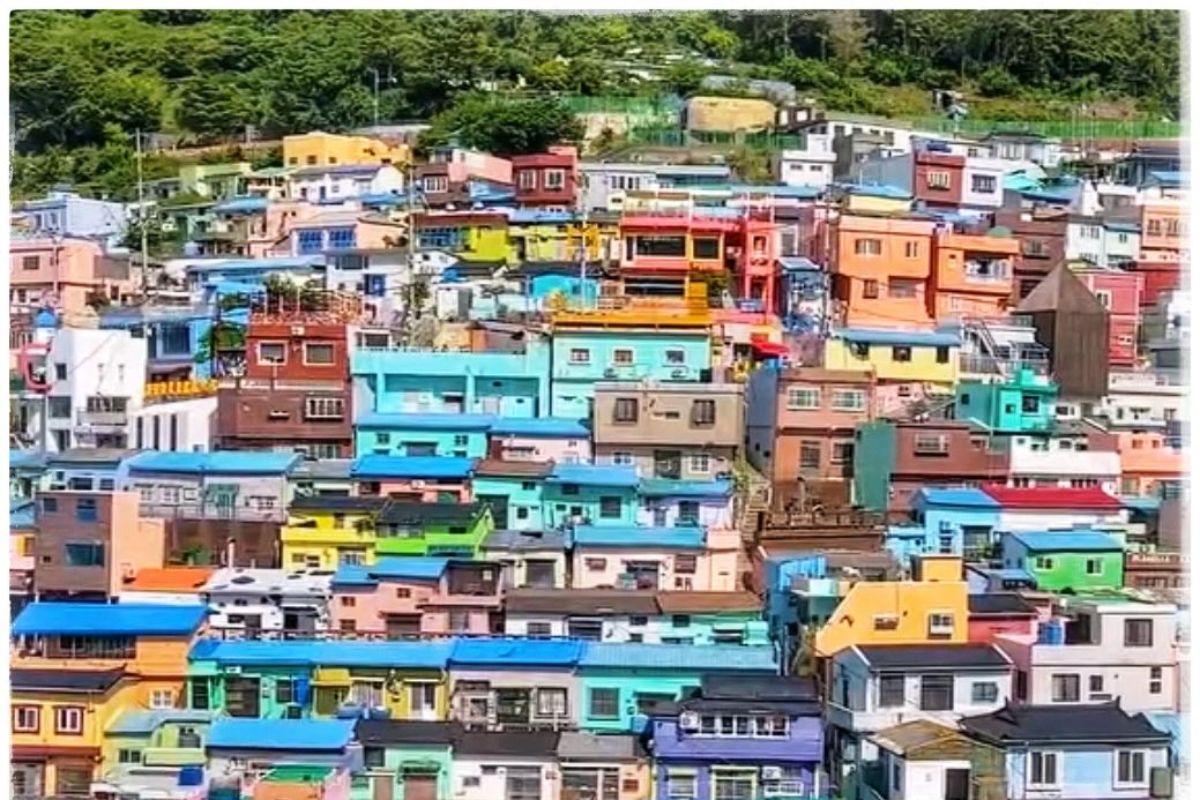
The brightly painted houses of Gamcheon Culture Village are best seen in the morning mist, when the narrow staircase streets are still quiet. Jagalchi, Korea’s most famous fish market, buzzes with energy all day, stalls run by local women, the catch arriving live.
As evening falls over Haeundae Beach, outdoor tent restaurants fill with people eating grilled pork belly and drinking cold soju, the dark ocean just beyond the lights. Simple, satisfying, and deeply Korean.
Gyeongju: A City Built on History
A short train ride west leads to Gyeongju, a city that works as a living open-air museum. The Silla Kingdom ruled Korea from here for nearly one thousand years, and the ancient burial mounds, great grassy hills rising from the city centre, are still there today.
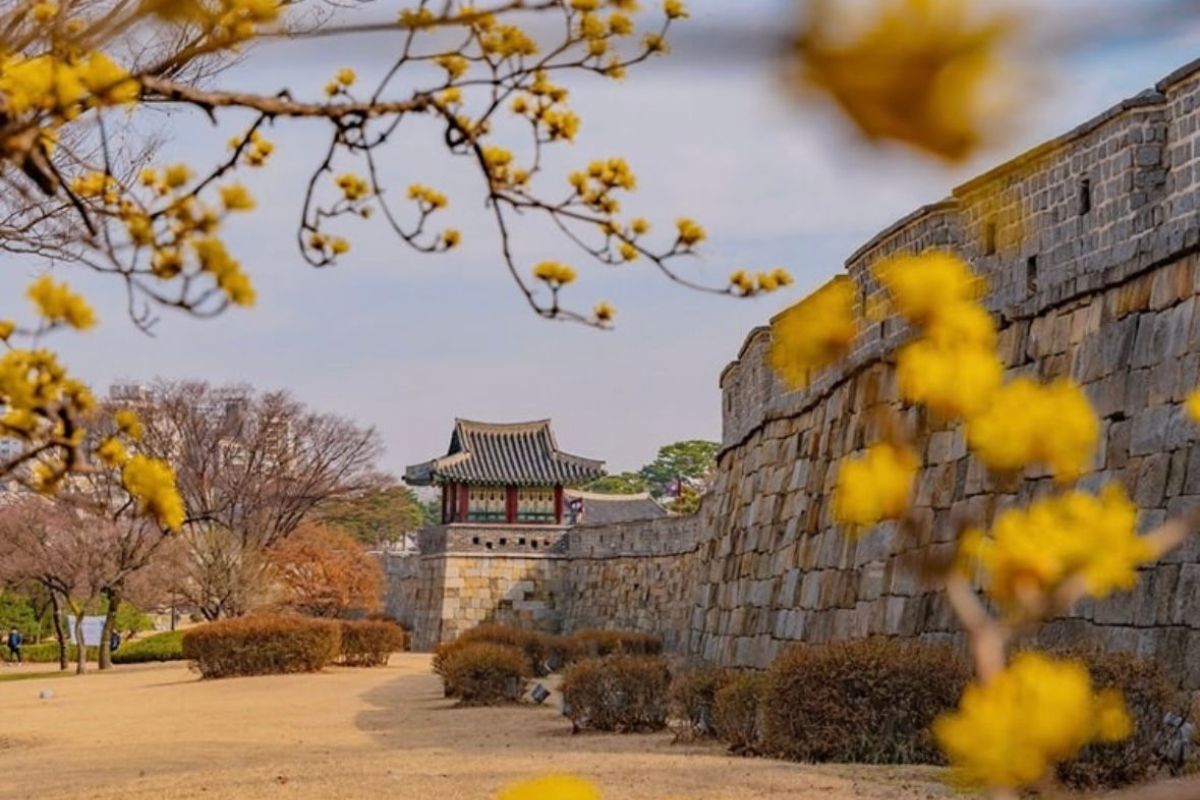
Cycling past them at dawn, with low mist and empty roads, is unforgettable. Bulguksa Temple, just outside the city, is one of Korea’s most beautiful buildings, wooden and peaceful, surrounded by pine trees, with the gentle smell of incense drifting through the air. It is the kind of place that makes visitors slow down without even realising it.
Jeju Island: Volcanoes, Divers and Black Pig
A short domestic flight leads to Jeju Island, a volcanic island off the south coast with a completely different feel from the mainland. Subtropical plants, dramatic black rock coastlines, and wide open skies give it a wild, unhurried character.
Hallasan, the dormant volcano at the island’s centre, offers one of Korea’s best hikes, through forests that gradually give way above the clouds to a crater lake at the summit. The effort is well worth it.
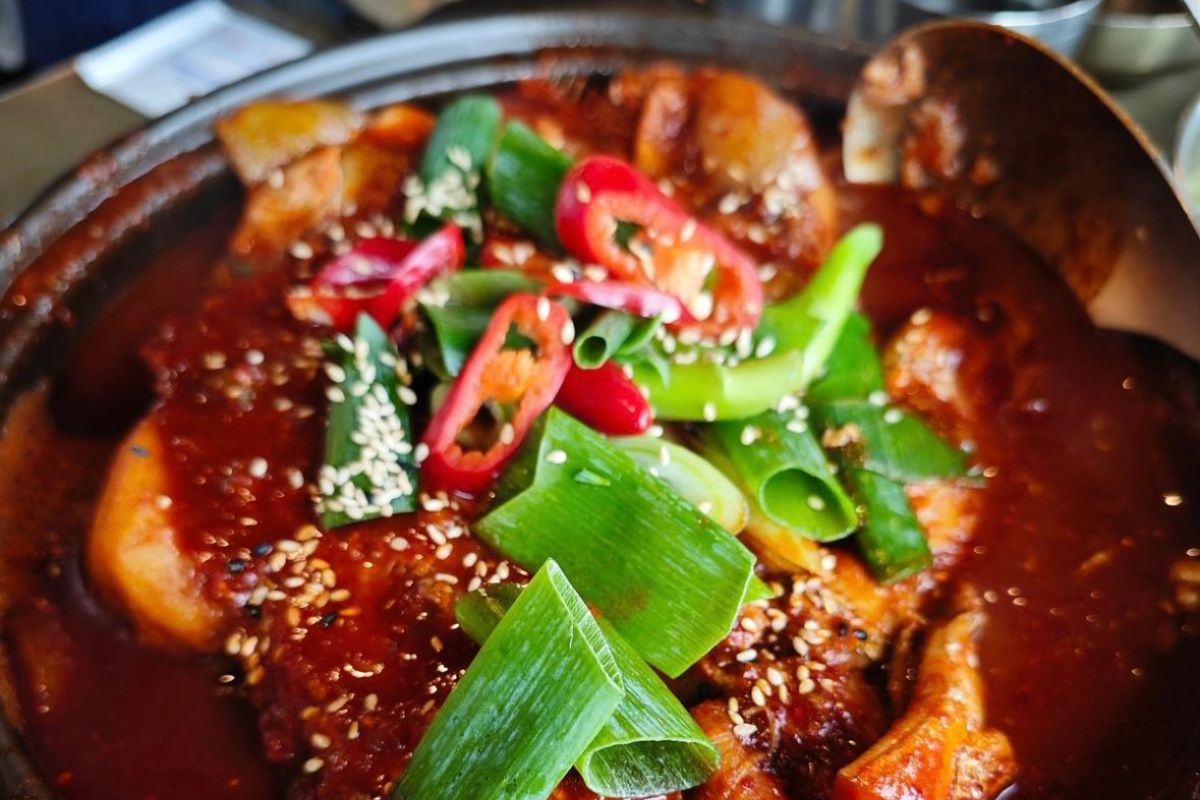
But perhaps the most remarkable thing Jeju has to offer is the Haenyeo, the island’s famous women free-divers. Many of them, in their sixties, seventies, and even eighties, dive deep into cold water without breathing equipment to collect shellfish, sea urchin, and abalone, just as they have done since they were teenagers.
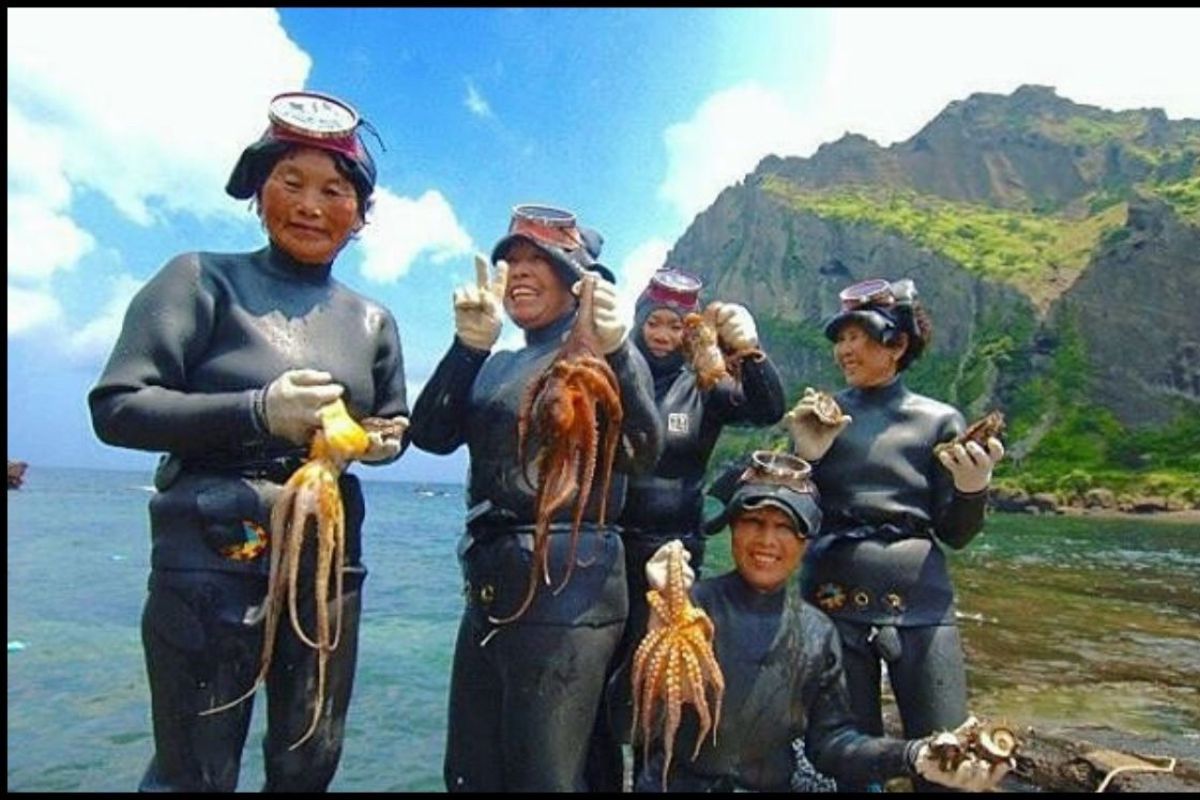
Watching them emerge from the sea, laughing and sorting their catch, is one of the most moving sights Korea has to offer. UNESCO has recognised their way of life as an important piece of world culture, and it is easy to understand why.
Jeju’s famous black pig barbecue, eaten at a simple local restaurant, is the perfect way to end the day.
Just Go
Korea surprises at every turn. Walk where possible, take the trains between cities, eat everything at the night markets, and let this magnificent country do the rest.