The longer time is spent working in education, the clearer it becomes that community comes before collaboration.
The pandemic itself can feel a long way off now, but some of its lessons have stayed. Schools adapted and teachers carried on. Students still needed care, teaching, and stability. But something was missing. The small conversations. The shared laughter. That feeling of being alongside other people in the work. It became evident that community is not simply an added extra. It is part of what sustains people.
Why Collaboration Needs Community
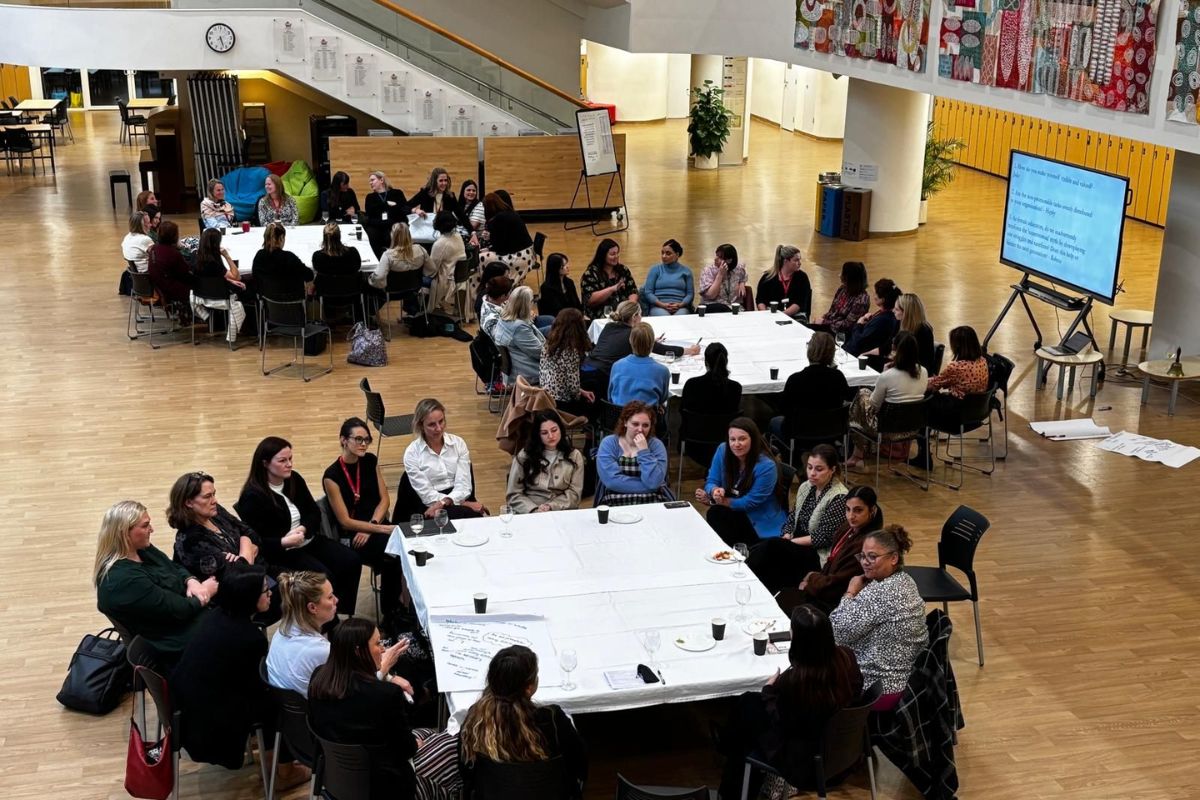
Collaboration is often discussed in schools, and it matters. However, meaningful collaboration is not just about working together. It is about sharing ideas openly, challenging thinking, and building on one another’s perspectives.
This is where community plays a vital role. It adds depth, prevents isolation, and strengthens thinking because individuals are not solving challenges alone.
This is particularly important in education, where competition should not define relationships between schools or educators. The work is centred on students. If that is the case, then the values educators want young people to experience should also be reflected in professional relationships. Belonging, respect, generosity, and collaboration should be visible in practice.
Building Community in Hong Kong
In Hong Kong, there is a growing effort to build community more intentionally. These spaces do more than connect educators professionally. They reinforce that no one is working in isolation, which is closely linked to well being.
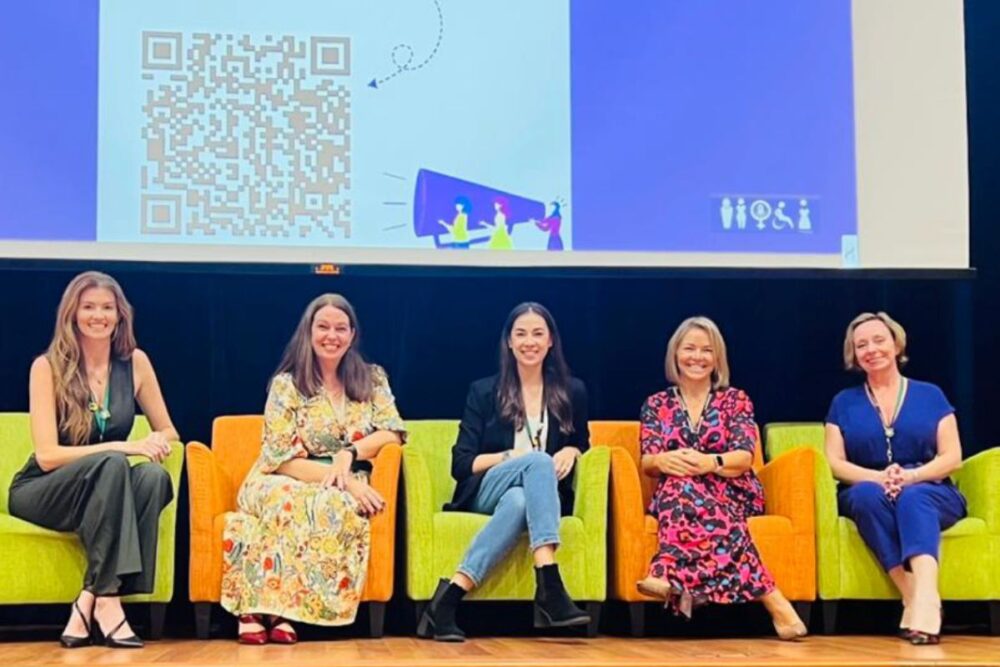
Women Educators Network Hong Kong, founded by Kiely Murphy at ESF, is a strong example. It brings educators together through regular events and creates meaningful connections across the profession. WomenEd is also active in Hong Kong, offering support, encouragement, and community.
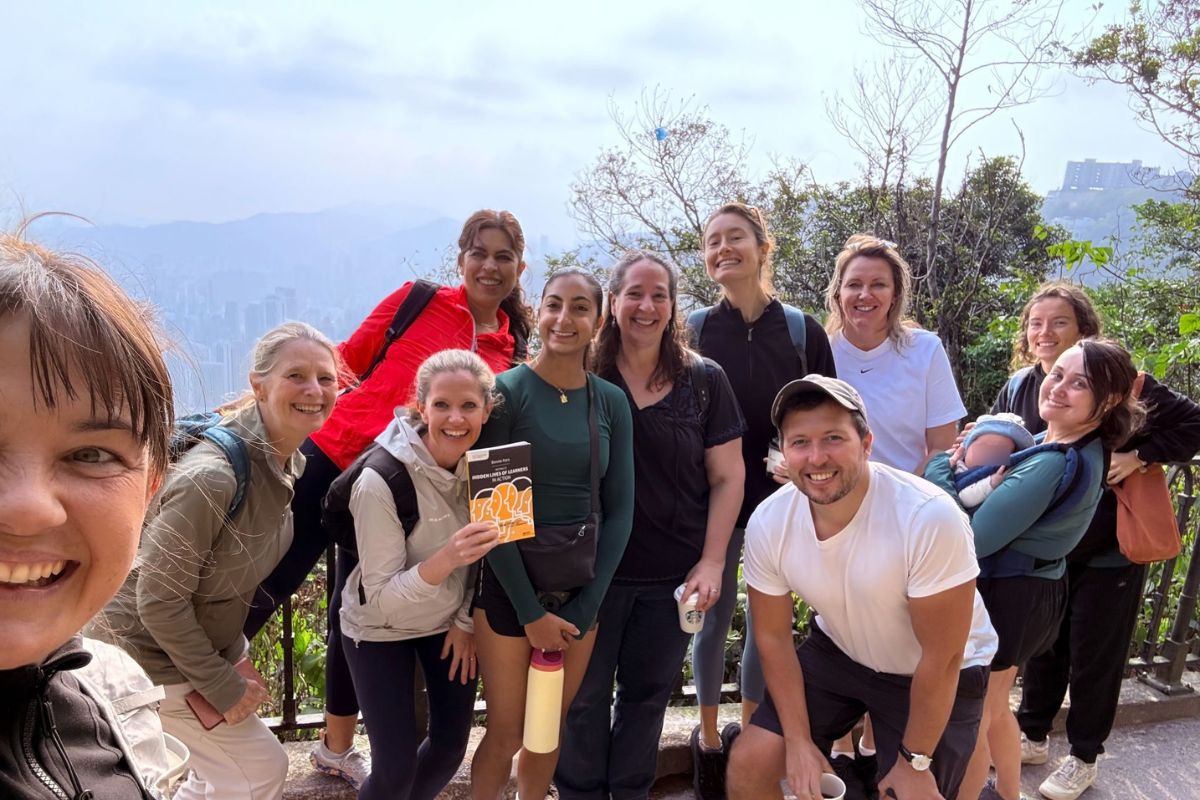
That same thinking underpins Peak Pedagogy, launched by Julia Armstrong at Kellett School. It is a book club focused on teaching and learning, but more importantly, it creates space for conversation. Educators read, walk, and talk together, or gather informally to discuss ideas, challenges, and practice.
Across the region, individuals such as Kathryn Hemming and Katie Tomlinson have also contributed to building this sense of community. It reflects the idea that strong education systems are built collectively.
What This Looks Like at CIS
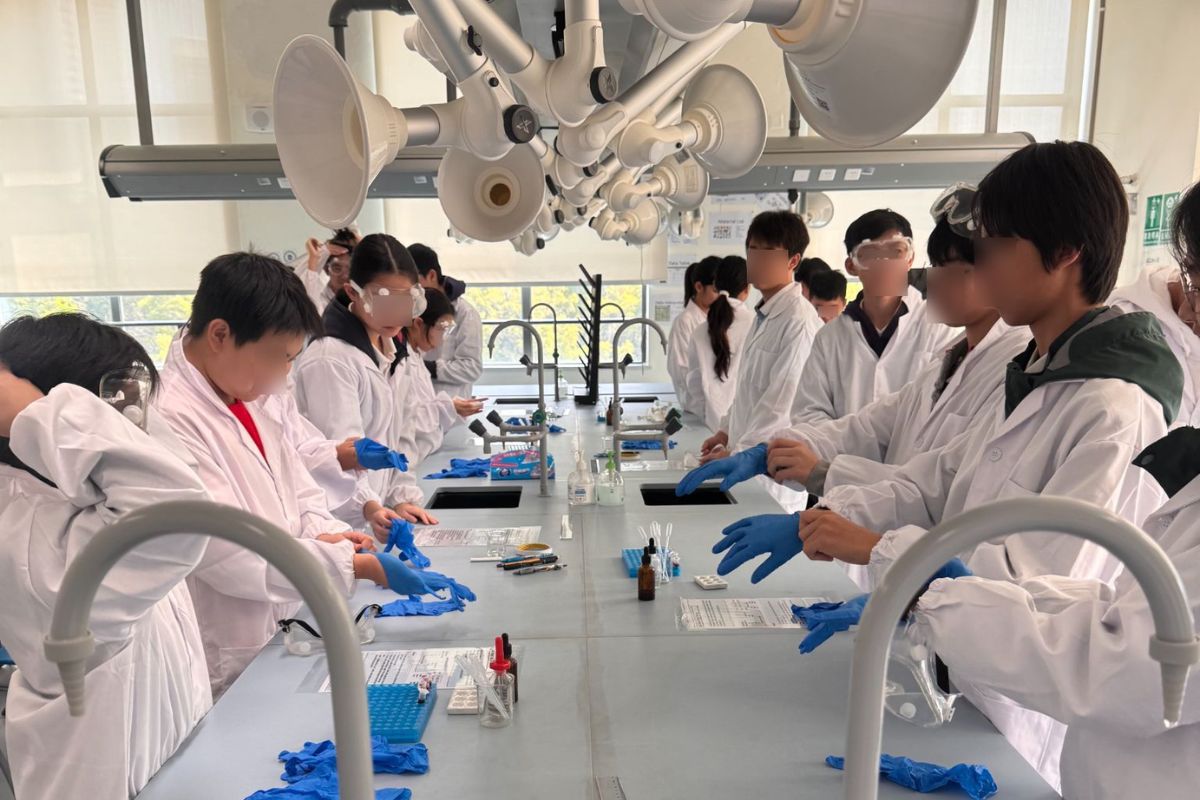
At Chinese International School, connection forms part of a broader vision. Through Vision 33 and the concept of Building Bridges for Good, there is a clear commitment to community, partnership, and collaboration. This sits alongside the school’s long standing belief in service, captured in the motto, To Seek and To Serve.
Service is not an added feature. It is embedded within school life and supports students in understanding their responsibilities and their role within a wider global context.
Strong partnerships with schools across the Greater Bay Area have also been developed, enriching the educational experience beyond the classroom. Students do not only hear about collaboration. They experience it directly, learning alongside others, building relationships, and sharing in the collective experience of education.
Why It Matters
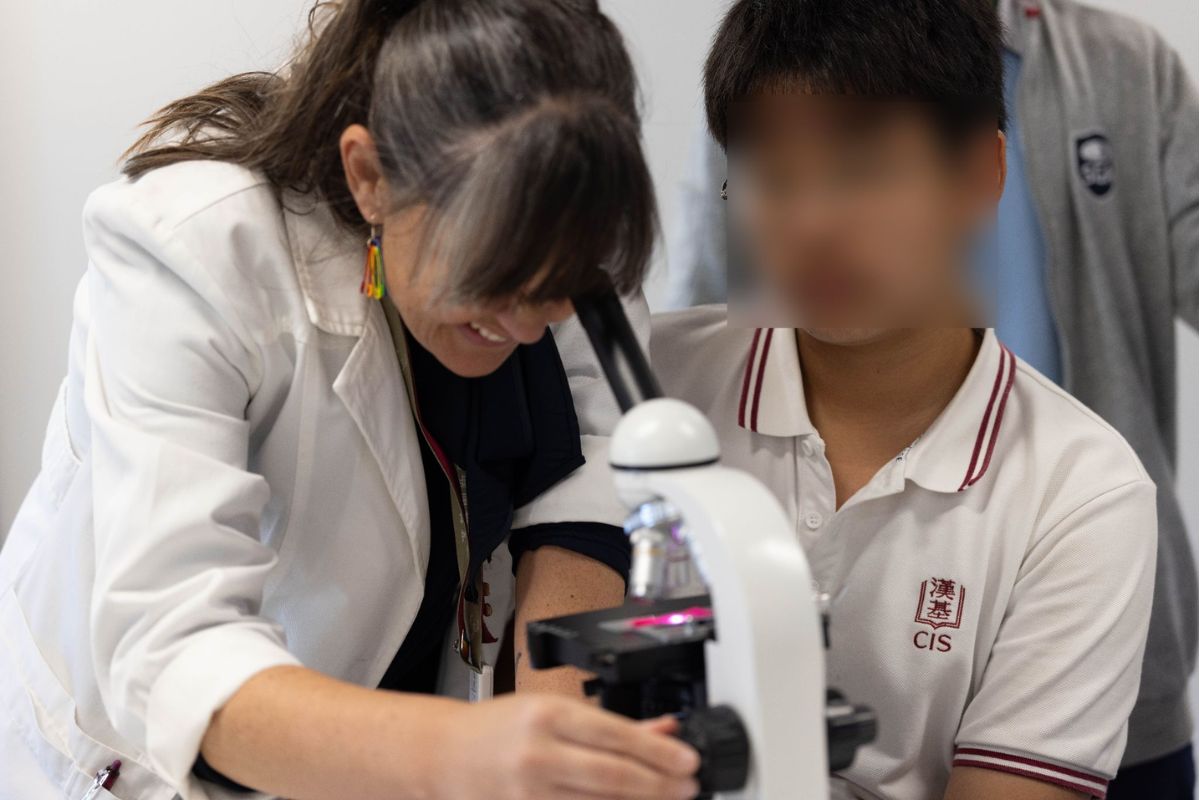
Ultimately, community is not separate from the core work of education. It strengthens it. When community is established, collaboration becomes more meaningful, more open, and more impactful. It allows individuals to feel supported and connected.
Students learn from teaching, but they also learn from what they observe. The way people interact, support one another, and build relationships leaves a lasting impression.
Perhaps the most important takeaway is the need to continue building communities within education where people feel a genuine sense of belonging.