
Coming to Japan
Having just completed my PGCE in an international environment in the UAE, I was armed with the skills and tenacity to take on anything that the educational world had to offer. Since beginning my journey in education, I have been driven to gain as much experience as possible in order to fully understand and appreciate what the international landscape of teaching truly looks like, particularly in regions I was less familiar with.
The UAE had been home to me for over 16 years, and understanding the highly transient nature of its international environment, I found myself asking, “How different can it be?”
The answer: very.
I explored opportunities in Singapore and Hong Kong alongside Japan, submitting applications across East Asia in the hope of securing a position. However, when the opportunity arose to work in Japan, I knew immediately that it was where I wanted to be.
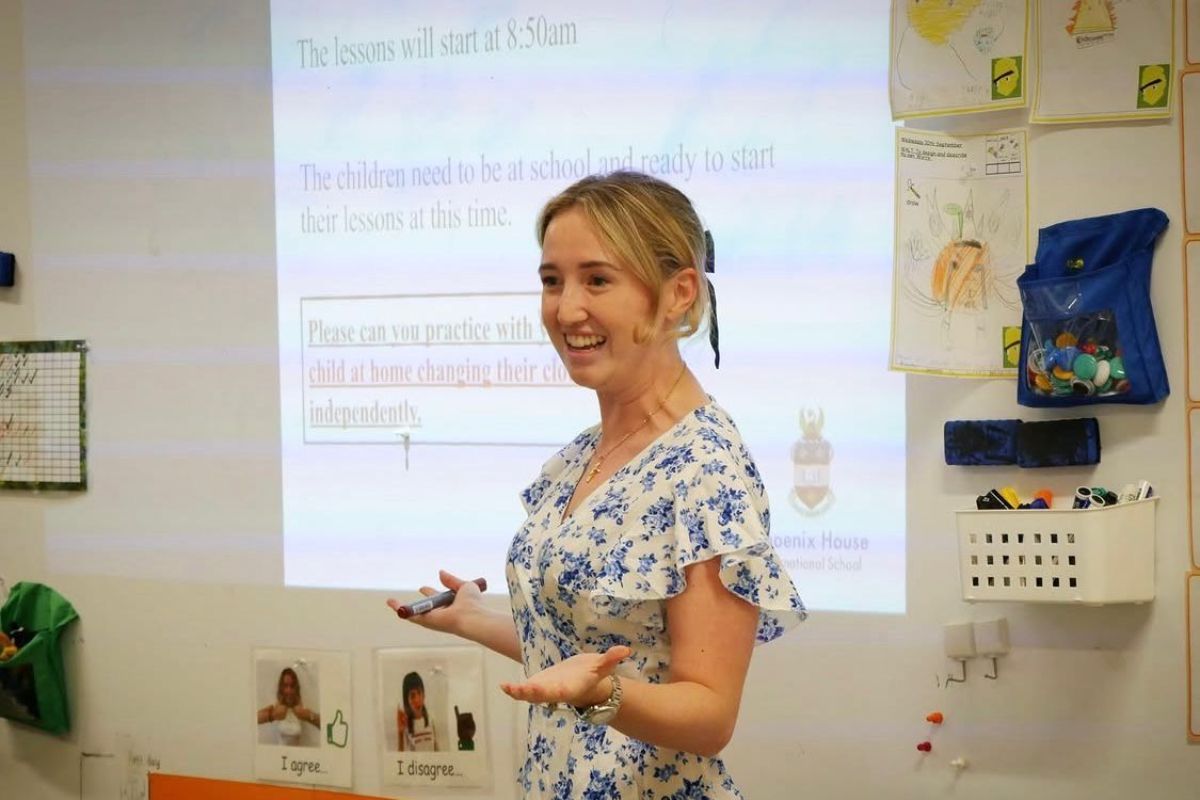
With a population of approximately 124 million people, and around 14 million in Tokyo alone, Japan has only around 50 to 60 international schools. In contrast, Singapore has over 100 and Hong Kong over 70, despite their significantly smaller populations. This stark difference highlighted just how niche the international school environment in Japan is. It was exactly what I was looking for: a setting rich with opportunities for learning, growth, and professional development.
The Big Difference
As a teacher at an early stage in my career, I had the advantage of flexibility. I was not yet fixed in a particular teaching style or pedagogy, and I was open to adapting my approach.
Coming from the UAE, where there is a large population of English speaking expatriates, I anticipated a similar experience within international schools in Japan. Given the limited number of such schools relative to the population, I assumed that delivering the British curriculum would feel familiar. However, I was not prepared for just how different the needs of the students would be.
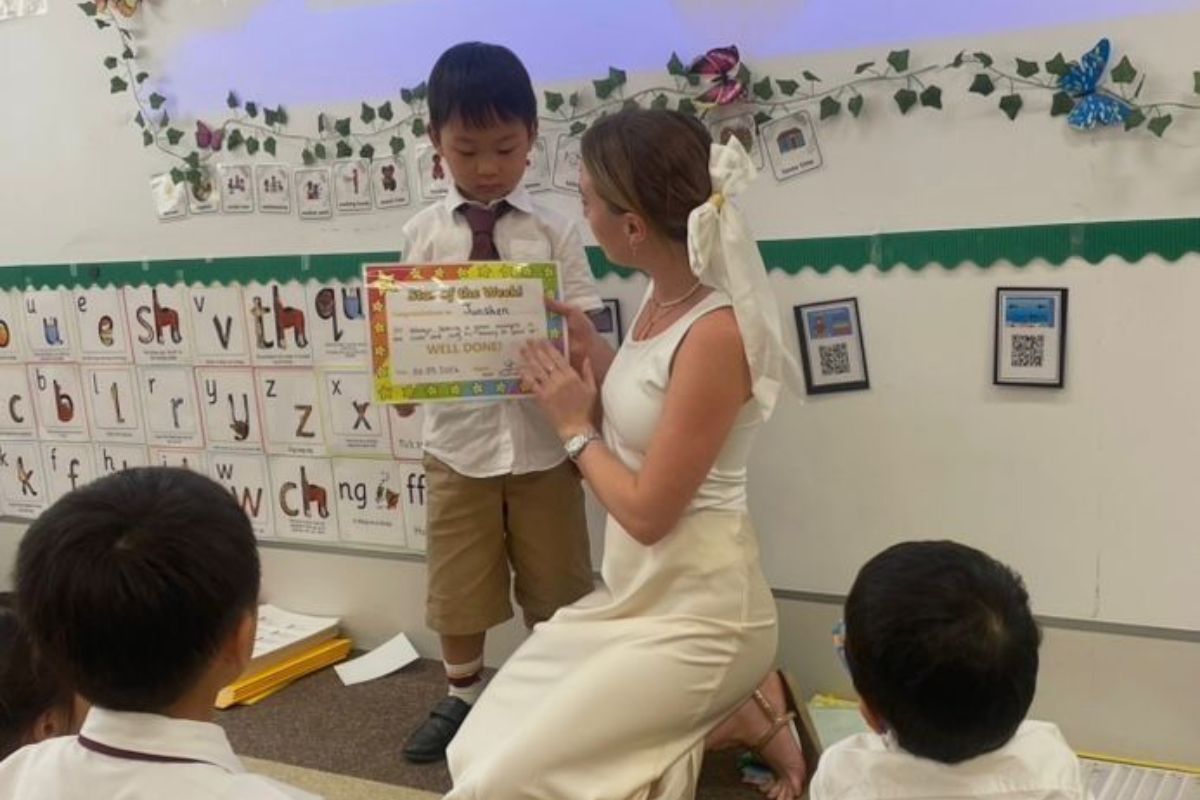
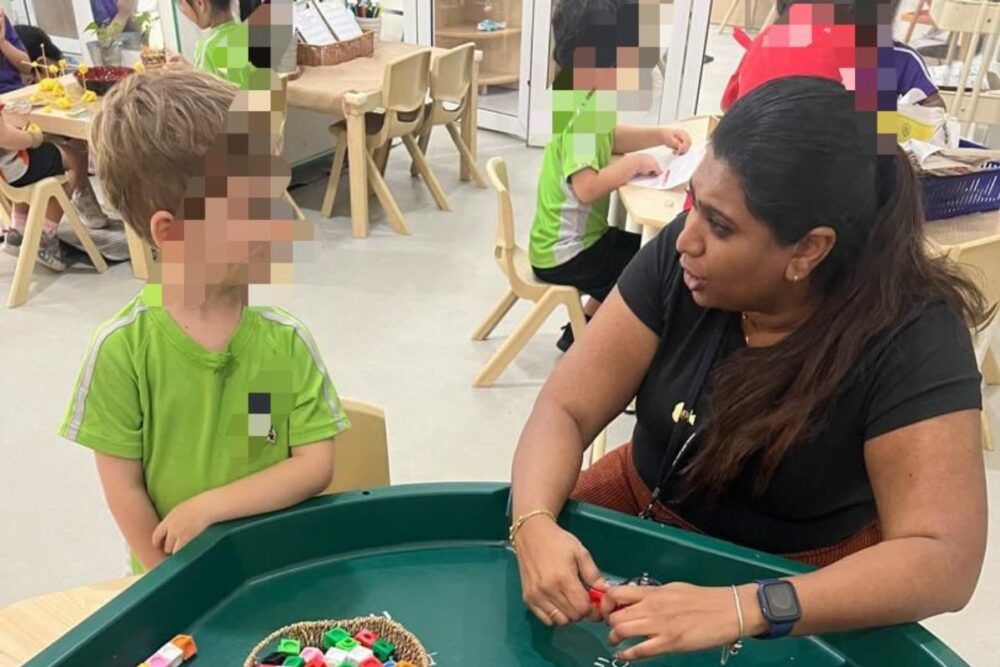
The proportion of EAL learners was significantly higher than I had expected, presenting new challenges in communication, differentiation, and support. At the same time, in stark juxtaposition, the level of greater depth and exceeding learners was beyond anything I had previously encountered. The depth of understanding, particularly in numeracy, demonstrated by these students was remarkable.
This contrast created a uniquely dynamic classroom environment, where high levels of academic ability existed alongside significant language barriers. It required constant adaptation, reflection, and creativity in my teaching practice.
Reflection and Growth
Reflecting on my experience so far, I can confidently say that teaching in Japan has been both a challenge and a privilege. I have thoroughly enjoyed developing my teaching skills and adapting my practice to meet the needs of such incredibly bright, respectful, and kind children. Each day presents new opportunities to learn, not just for the students, but for myself as an educator.
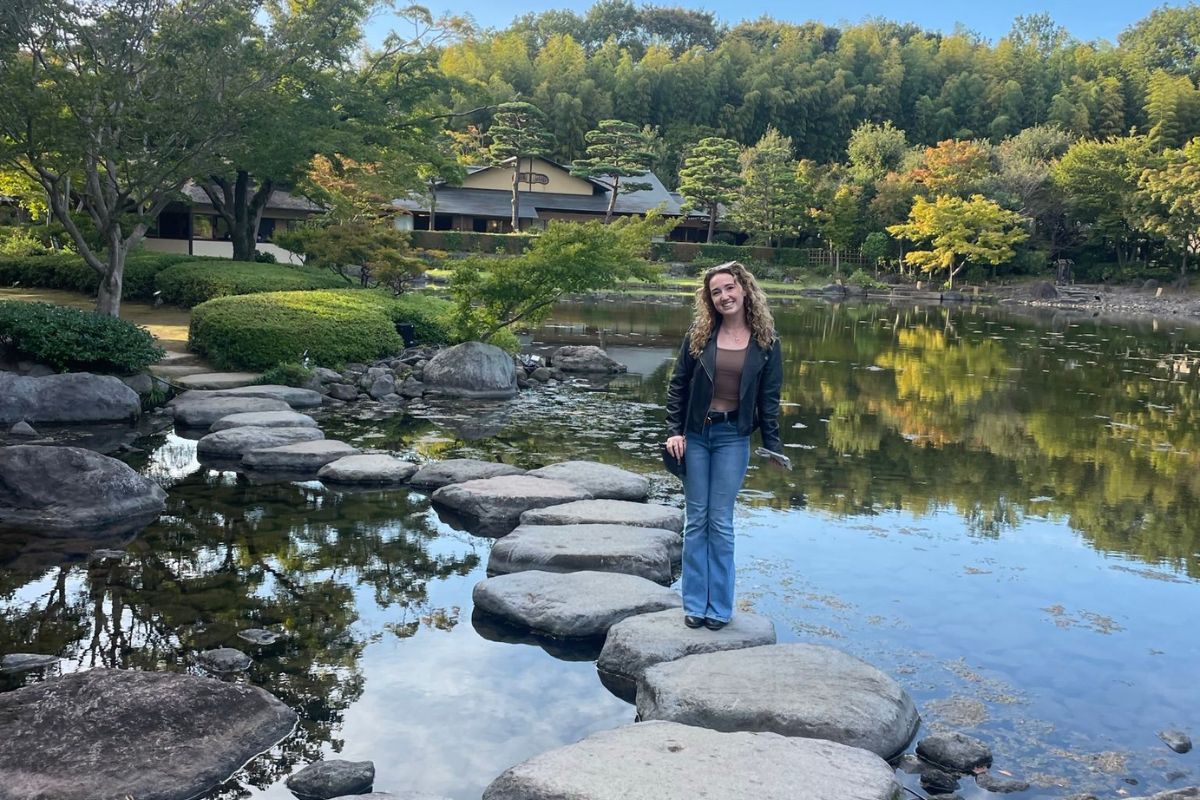
Being part of this unique environment has pushed me to grow in ways I had not anticipated, and I am excited to continue that journey. I look forward to further refining my practice and, through Education Asia, contributing meaningfully to the development of the next generation and all those interested in the starting points of being a teacher in Asia.