Teaching in Malaysia has been one of the most enriching parts of my life, both professionally and personally. Having spent 17 years in the early years sector, I have had the privilege of watching not just children grow, but entire school communities evolve in ways that feel genuinely special. Malaysia, in particular, offers a unique balance that continues to shape my practice as an educator.
Cultural Diversity in Schools
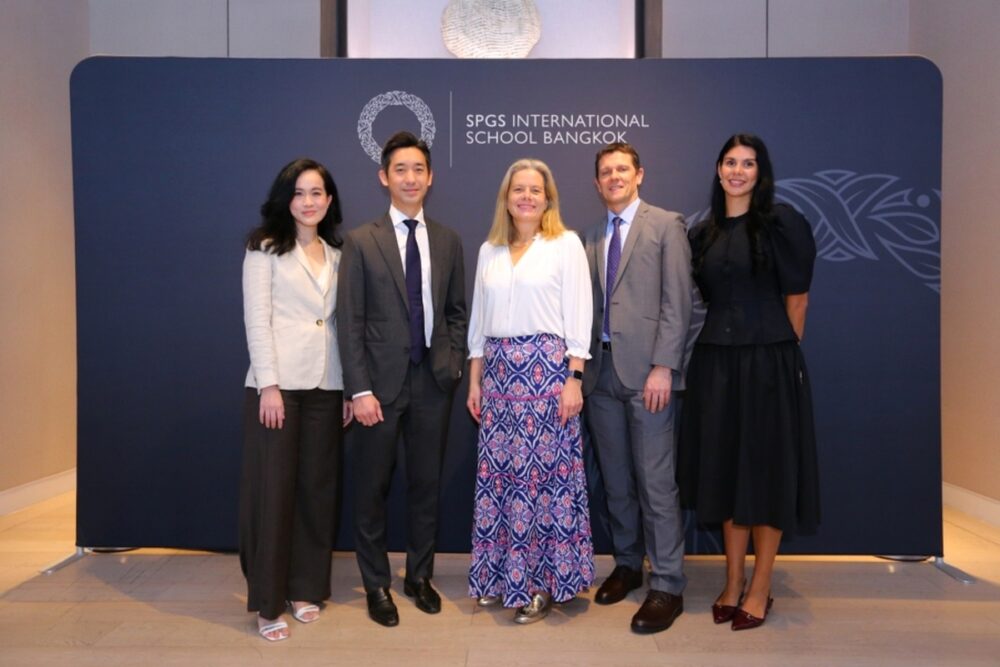
What stands out most is the cultural richness within schools. In a single staffroom, you are likely to find educators from a wide range of backgrounds, each bringing their own teaching styles, expectations, and ways of interacting with children. At first, this diversity can feel like a collection of different approaches. However, over time, it becomes a shared strength. Teachers learn from one another, adapt their practice, and begin to build something cohesive that reflects both international perspectives and local values.
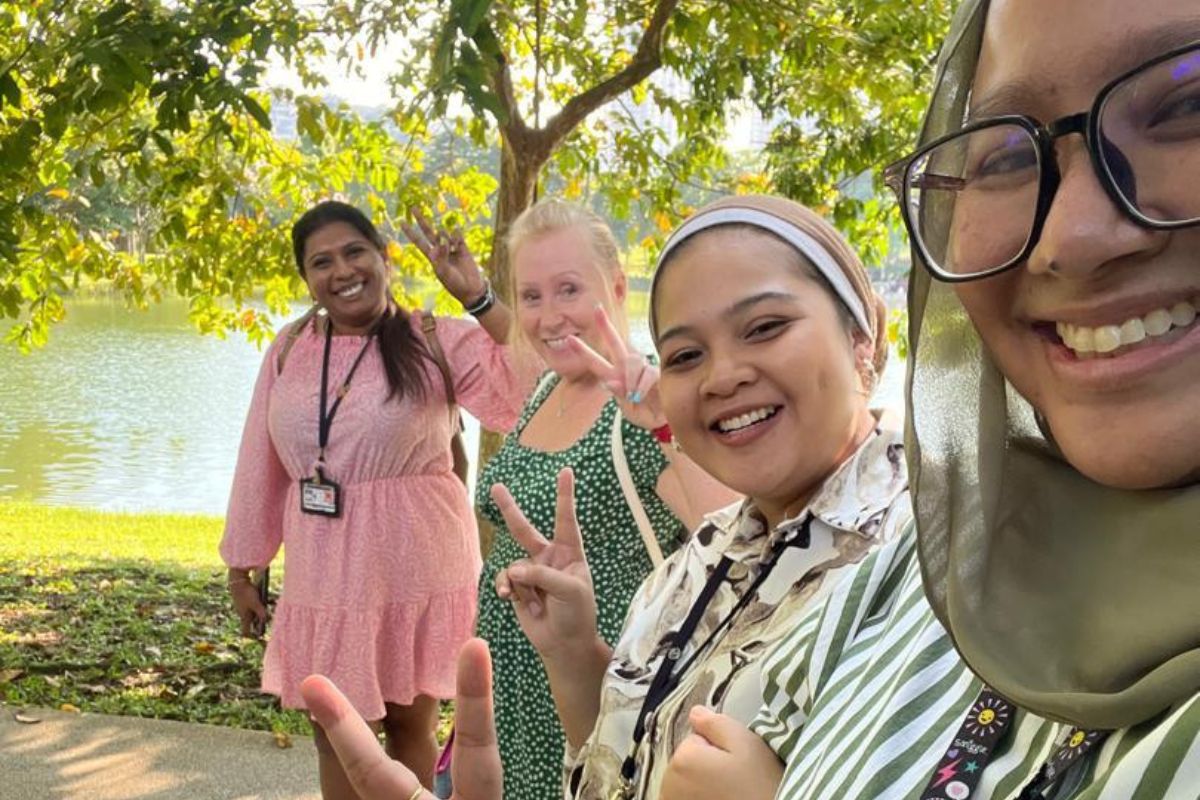
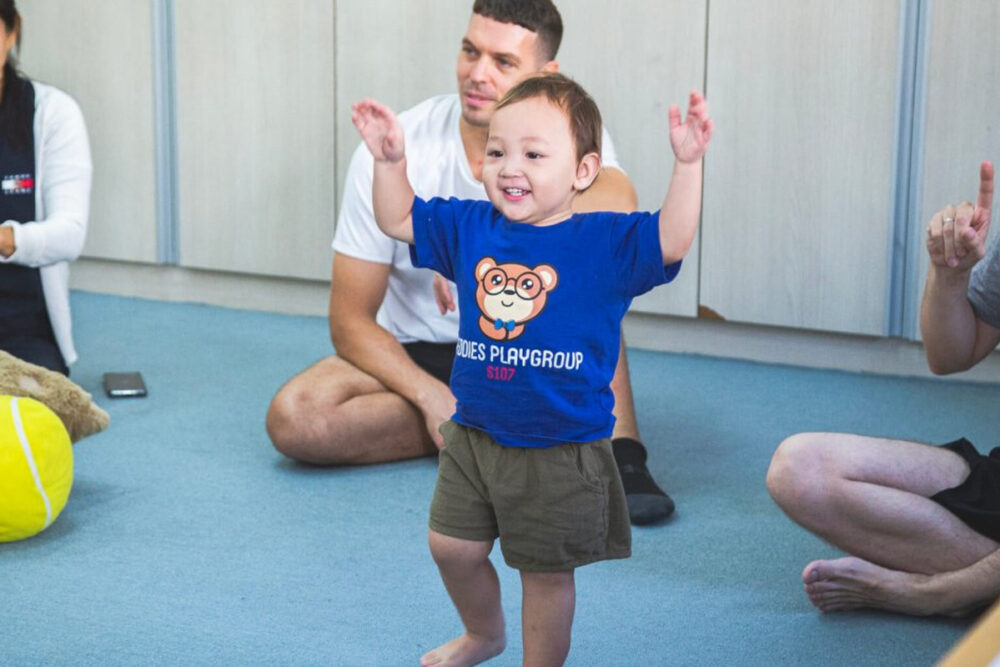
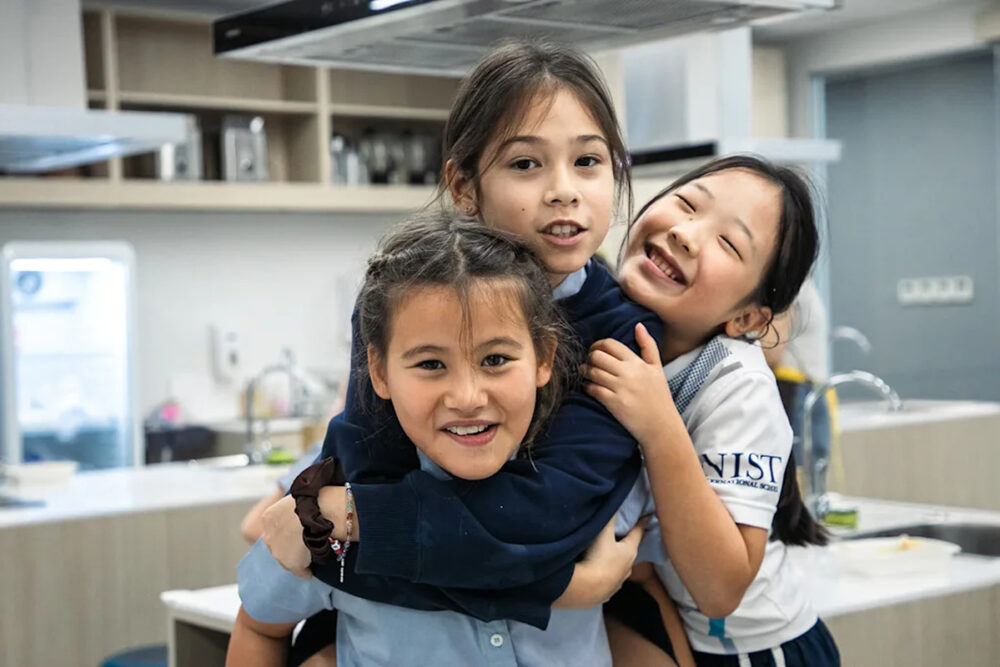
In early years settings especially, language is not seen as a barrier but as part of daily learning. Children often move between languages naturally, picking up words and phrases from peers and teachers. It is common to hear multiple languages within a single classroom, and rather than creating confusion, it fosters curiosity and confidence. I have often observed children engaging in play together while communicating in different languages, yet still understanding each other through gesture, expression, and shared experience.
Understanding Parent Expectations
One of the most important aspects of early years teaching in Malaysia is understanding parental expectations. Parents here place a strong emphasis on academic rigour, particularly in areas such as early literacy and numeracy. There is a clear desire for children to develop strong reading and writing foundations from an early age, and this expectation is communicated with care and consistency. At the same time, there is also a growing appreciation for holistic development, social skills, creativity, independence, and emotional wellbeing.
Balancing Academic Rigour and Holistic Learning
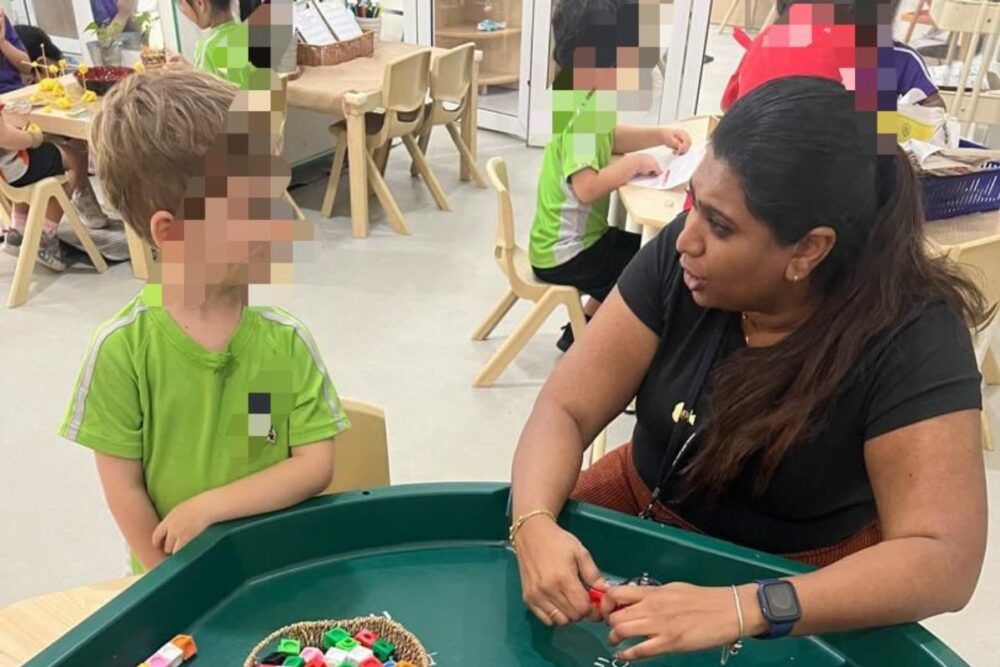
As educators, the real skill lies in navigating both worlds effectively. It is not about choosing between academic structure and play based learning, but about blending them meaningfully. For example, a structured phonics session might sit alongside exploratory learning through storytelling, role play, and outdoor experiences. Similarly, mathematical concepts are often reinforced through hands on activities that allow children to explore and make sense of ideas in practical ways.
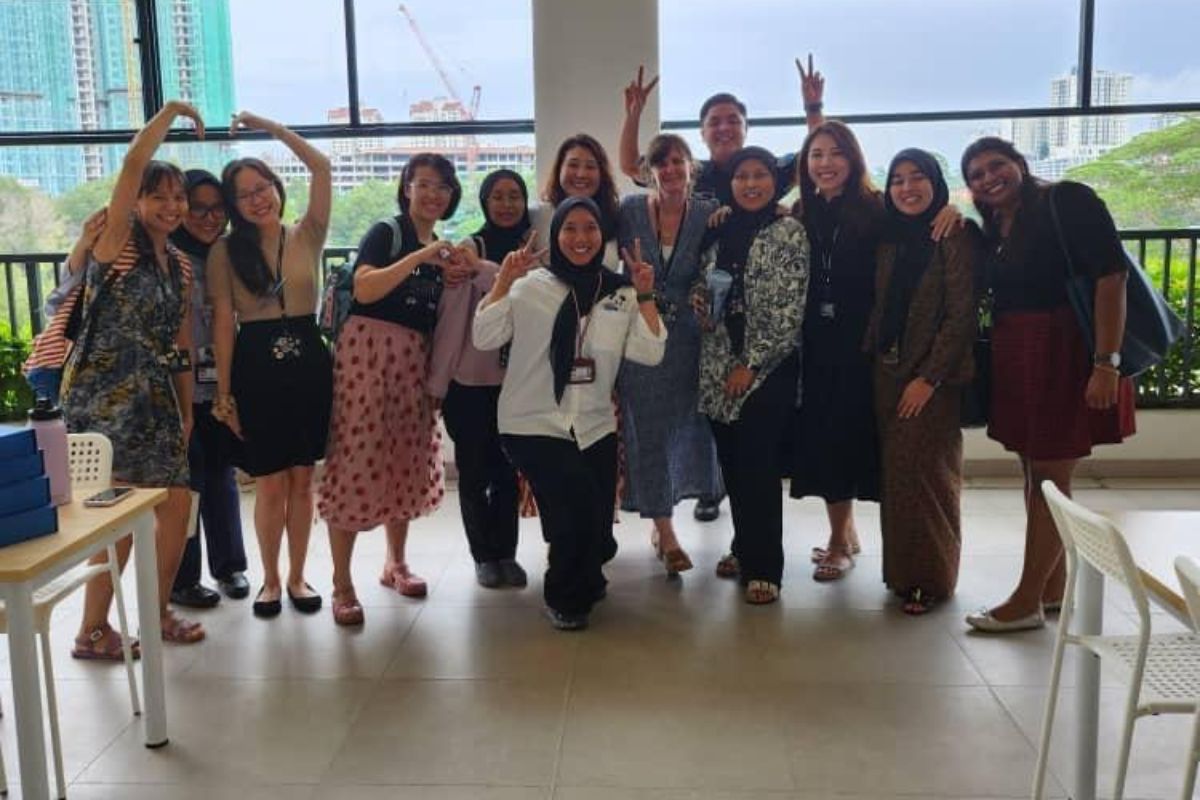
Over time, this balance becomes less of a challenge and more of a philosophy. We begin to understand that parents are not asking for less play or less creativity, they are asking for assurance that their children are progressing confidently and securely. Building strong communication with families becomes essential in this process. Sharing learning journeys, explaining the purpose behind activities, and making progress visible helps bridge understanding between home and school.
Curriculum and Cultural Learning
Curriculum, culture, and learning in Malaysia are deeply interconnected. School events often reflect this beautifully, with celebrations such as Chinese New Year, Hari Raya, Deepavali, and Christmas forming part of the lived school experience. These are not treated as standalone events, but as opportunities for children to understand traditions, stories, food, and cultural meaning. It becomes a way of learning about identity and respect in a very real and memorable way.
Life Beyond the Classroom
Outside the classroom, life in Malaysia adds another layer to the experience. The blend of modern city life and traditional culture creates constant contrast and interest. One moment you may be in a bustling urban centre surrounded by high rise buildings, and the next exploring a local market, temple, or quiet historical area. This balance of old and new mirrors the balance we strive for in education itself.
Food is also a significant part of life here. It naturally brings people together, whether it is sharing a quick meal with colleagues or exploring night markets with friends. Food becomes part of connection, culture, and community.
Key Reflections
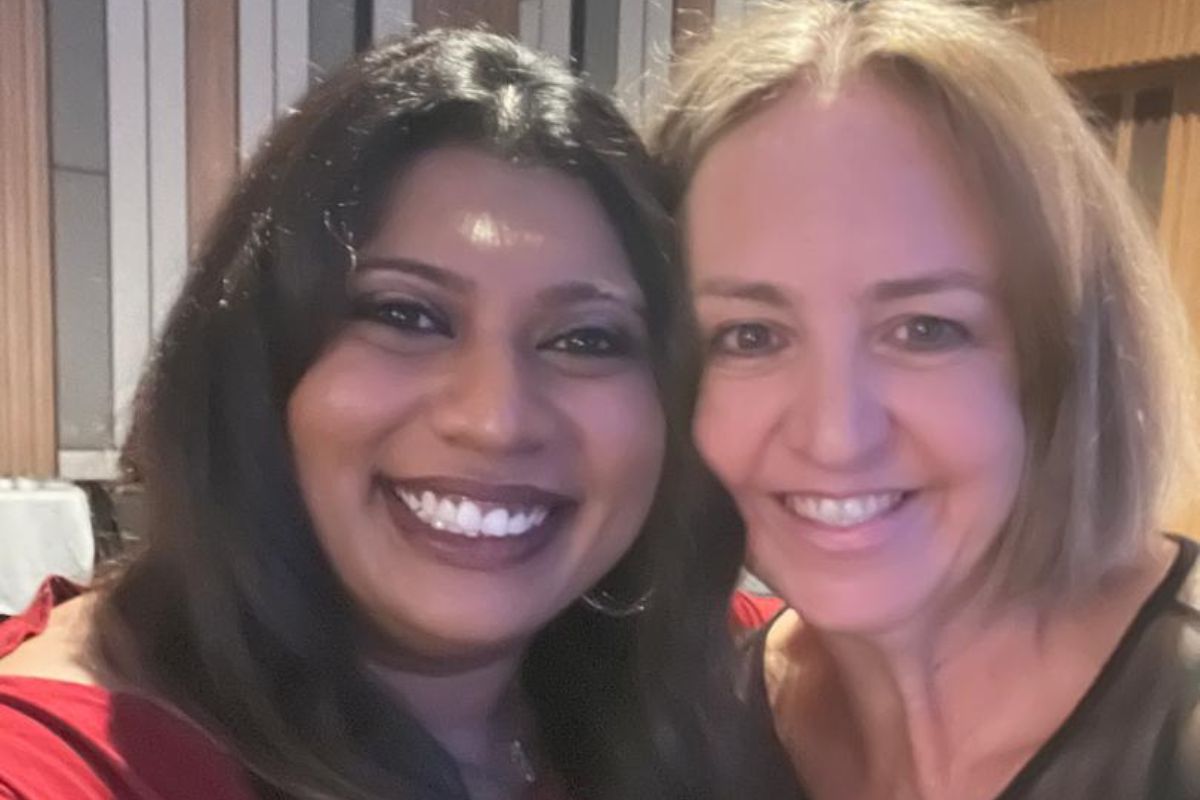
Looking back, what Malaysia has taught me most is the importance of balance, between academic expectations and holistic learning, between structure and flexibility, and between global perspectives and local values. Teaching here is not simply about delivering a curriculum; it is about continuously adapting, listening, and finding ways to bring out the best in every child while respecting the expectations of families and the wider community.
For educators considering teaching in Malaysia, it is a place that challenges and supports you in equal measure. It asks you to be reflective, flexible, and intentional in your practice, but in return, it offers a deeply rewarding professional and personal journey.