In my first year of teaching in the UK, I was in a “requires improvement” school, desperate to prove that I could bring learning to life. I spent hours planning an inspection lesson on The Tiger Who Came to Tea, plastic fruit carefully arranged, role play all set. At the end, the inspector looked at me kindly and said, “I can see what you’re trying to do, Gemma, but a little bit of plastic fruit isn’t going to cut it. I think you’ve got the makings of being a great Early Years teacher, but you need to go and see it.”
That comment stung. It also changed everything.
Discovering the Power of Curiosity
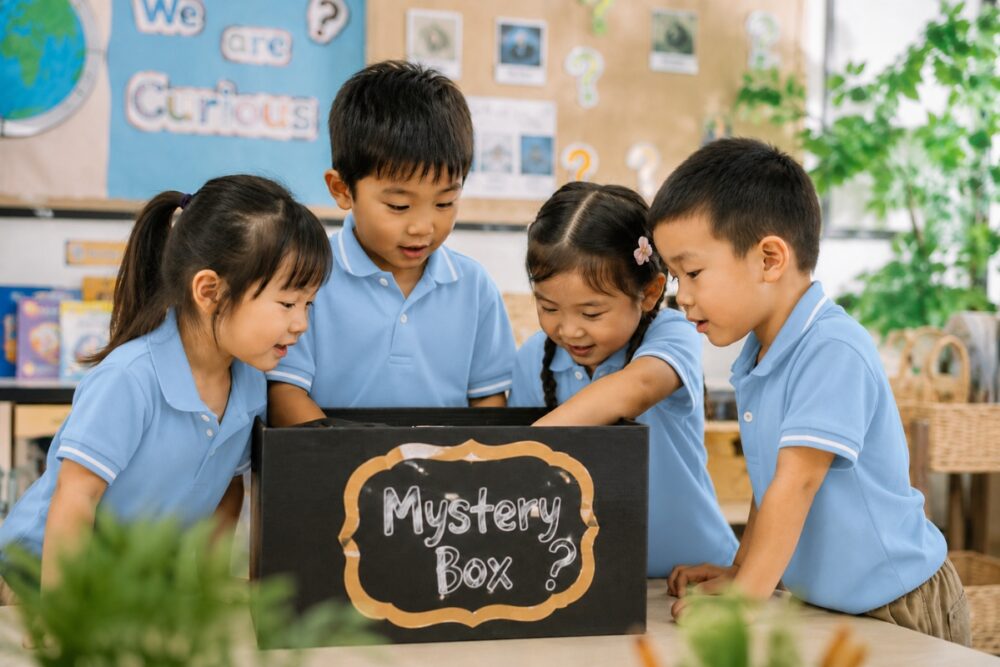
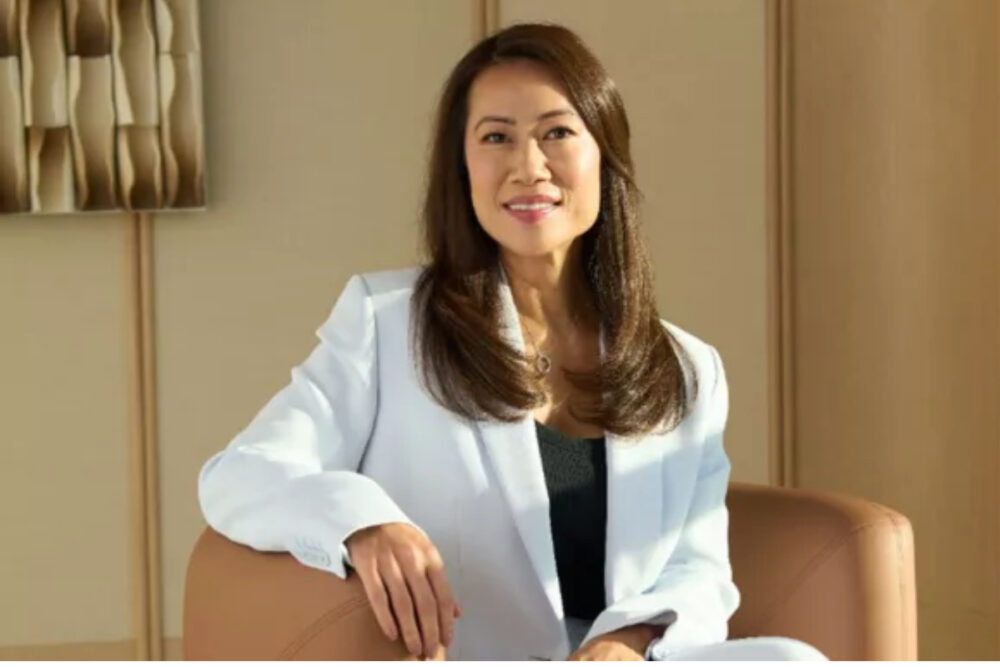
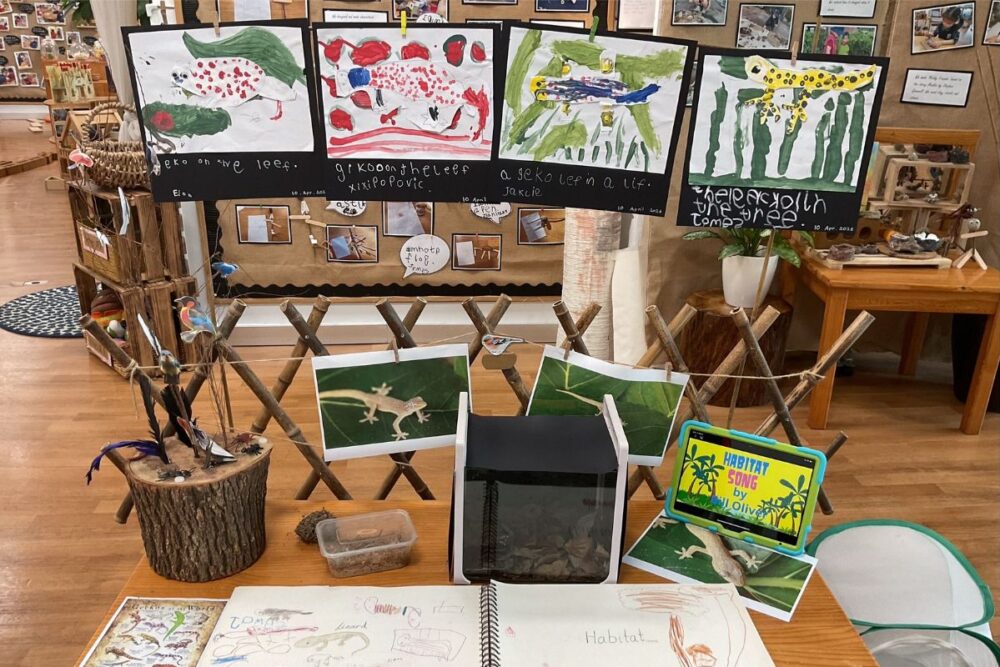
Today, as Head of Primary at Dulwich College Shanghai Puxi, the first Curiosity Approach accredited school in China, I still think about that moment. What I “went to see” over the years that followed wasn’t a display or a scheme, it was what happens when you treat curiosity as the engine of learning, not the decoration around it. I was fortunate to work alongside incredible practitioners and leaders who showed me that children don’t need more “stuff”, they need richer invitations, real objects, open-ended resources, time to wonder, and adults who are genuinely interested in their thinking. Bit by bit, I stopped planning lessons around what I wanted to show and started planning for what I wanted children to notice, question, and do.
Leading Curiosity in a High Expectation Environment
Fast forward, and I now have the privilege of leading a dual-language, international school in one of Asia’s most dynamic cities, Shanghai, where curiosity has to live alongside high expectations, exam pressure, and diverse parental hopes. The biggest shift for me has been realising that curiosity is not and should never be an Early Years “add-on”. It’s a whole-school entitlement. In an age of AI, instant answers and rapid change, the ability to ask better questions, make sense of complexity and connect ideas across cultures is not a luxury; it is essential.
From Early Years to Whole School Practice
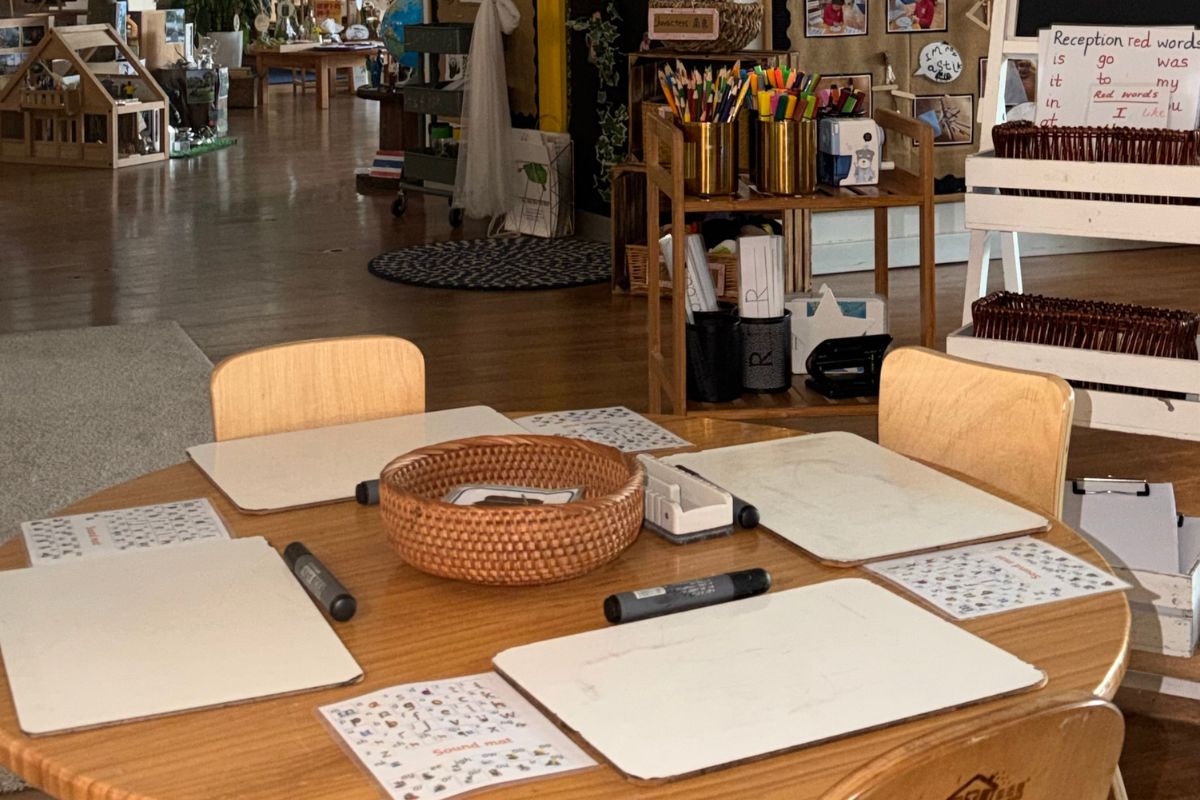
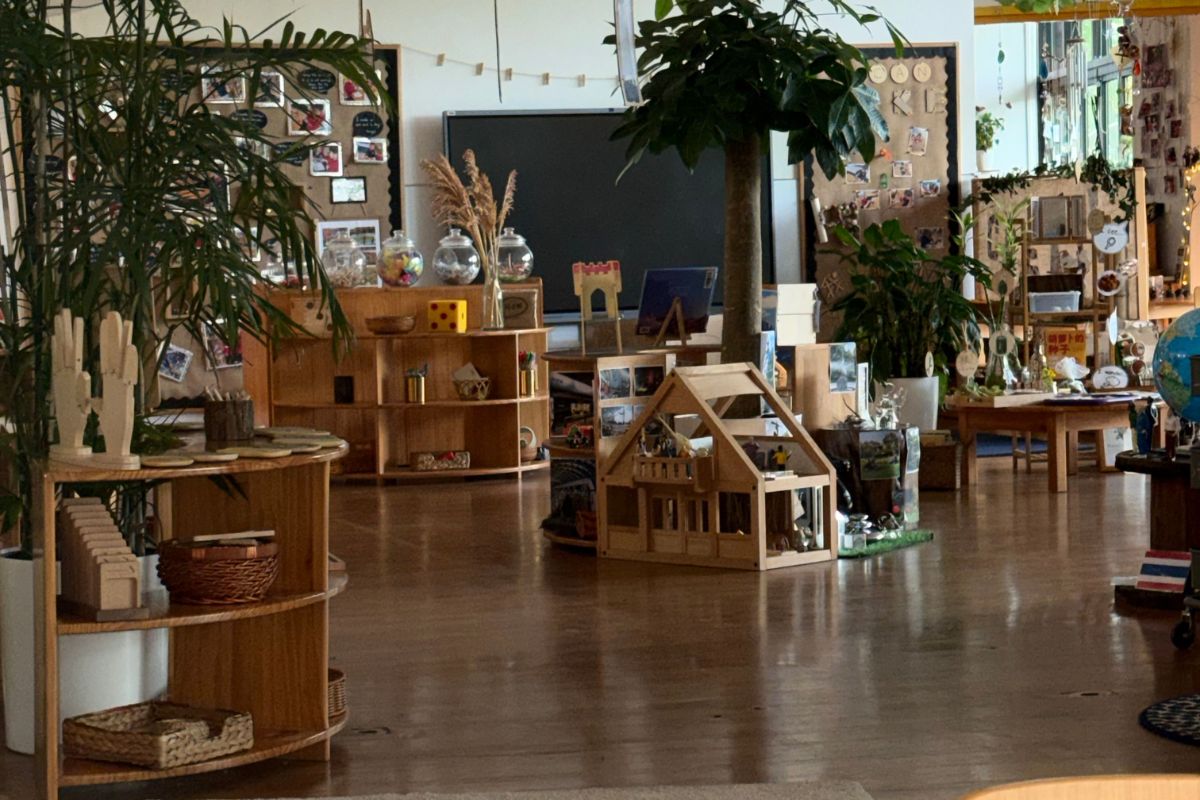
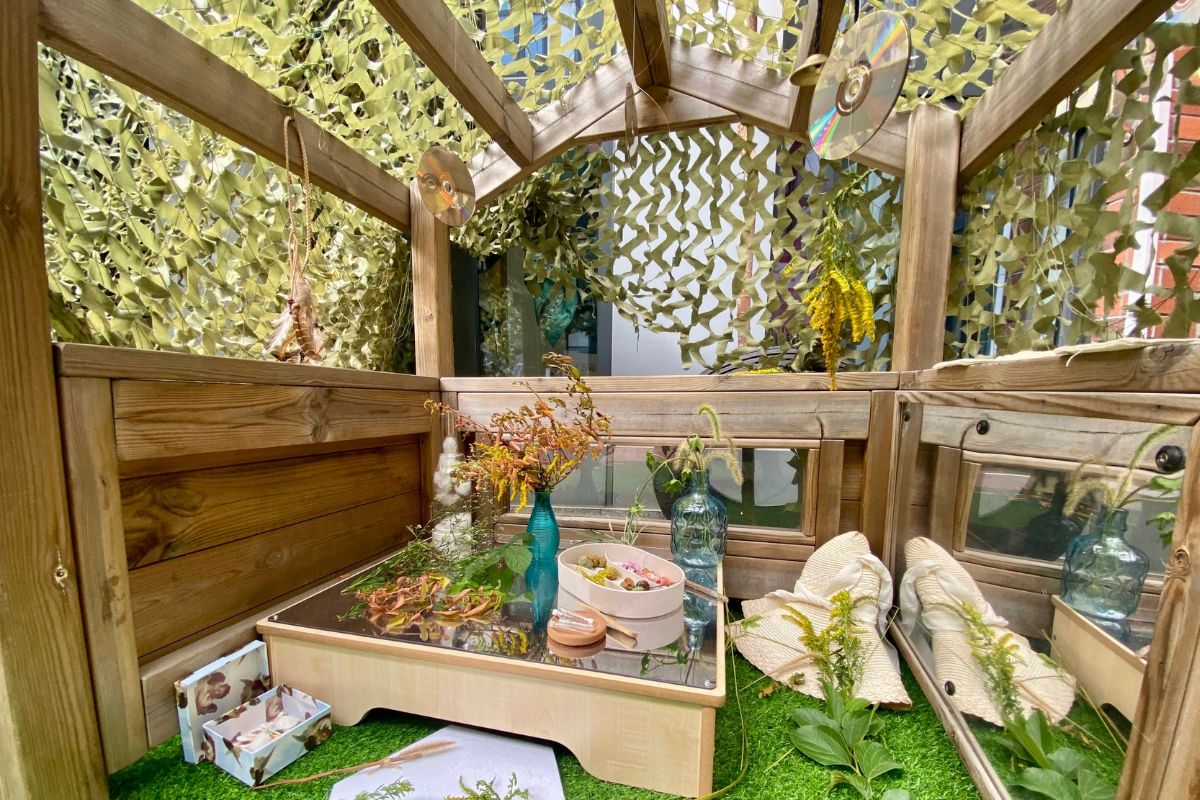
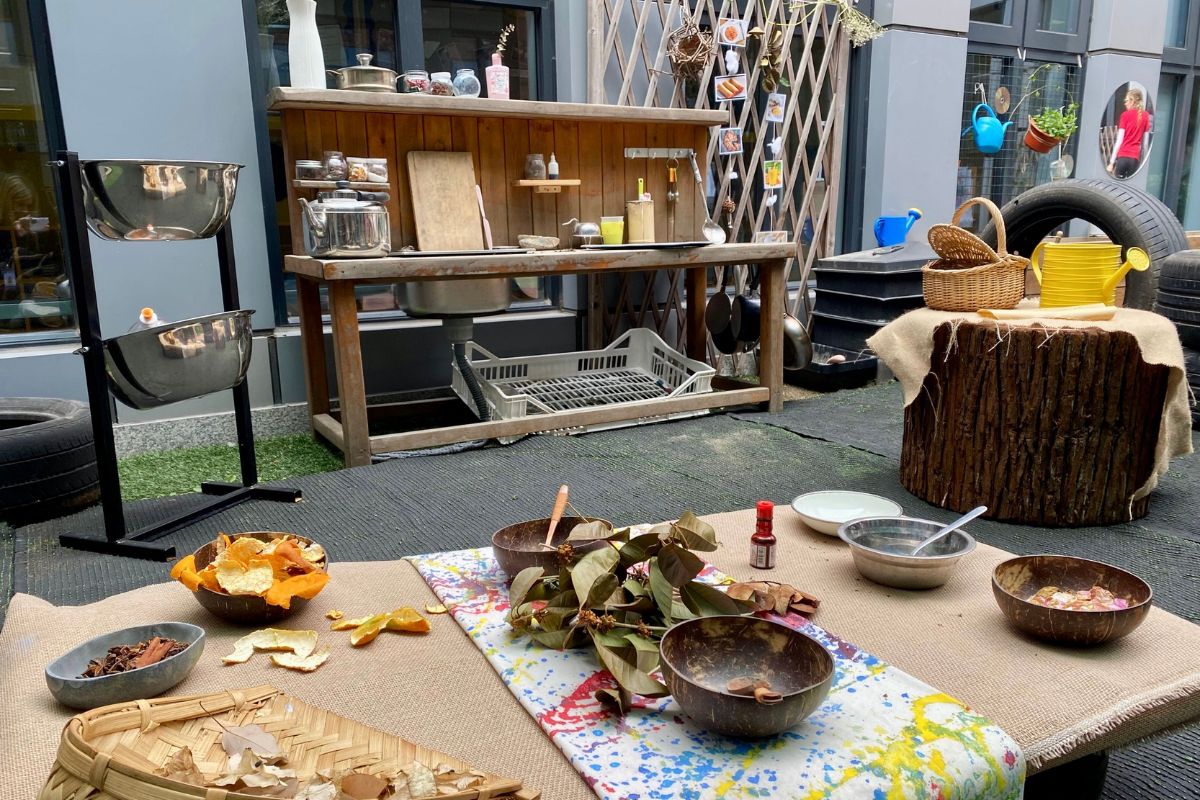
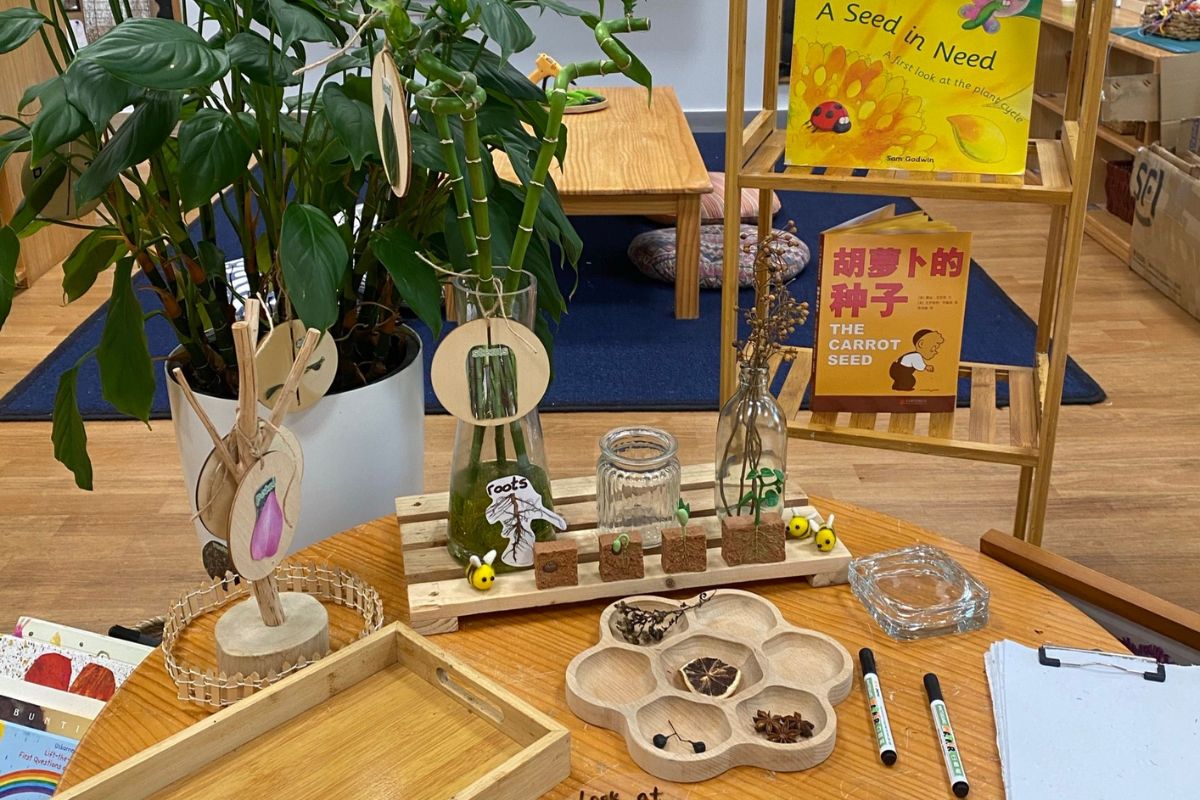
Our Curiosity Approach journey began in Early Years: natural and authentic materials, beautiful yet purposeful spaces, and a commitment to seeing the environment as the “third teacher”. Families donated resources, teachers audited and redesigned spaces, and children responded with deeper engagement, independence, and imagination. The accreditation panel’s feedback noted that elements of the approach were already “being threaded throughout the school, not just in Early Years”. They were right. We could see that when older children were offered more open-ended tasks, given time to grapple with real problems, and invited to ask their own questions, their learning changed too.
So, our work now is about taking the principles of curiosity all the way through Primary. In practice, that means designing geography units that start from children’s questions about their local and global environments, building Mandarin lessons around visible thinking and talk rather than just correct characters, and rethinking assessment so we notice the quality of a child’s wondering and reasoning, not only what ends up on the page. Our recent collaborative action research has pushed this further: teacher teams investigating how metacognition links to pupil agency, how oracy in corridors and classrooms shapes confidence, and how we can help pupils live “WorldWise” our way of talking about being ready to make a positive impact in the world.
Why Curiosity Matters More Than Ever
In a region where high-stakes exams and fast technological change can easily narrow the definition of “success”, it can feel counter-cultural to argue that curiosity is non-negotiable. Yet universities and employers across Asia are clear: they need problem-solvers, collaborators and critical thinkers who can navigate ambiguity, not just recall content. None of that happens without curiosity.
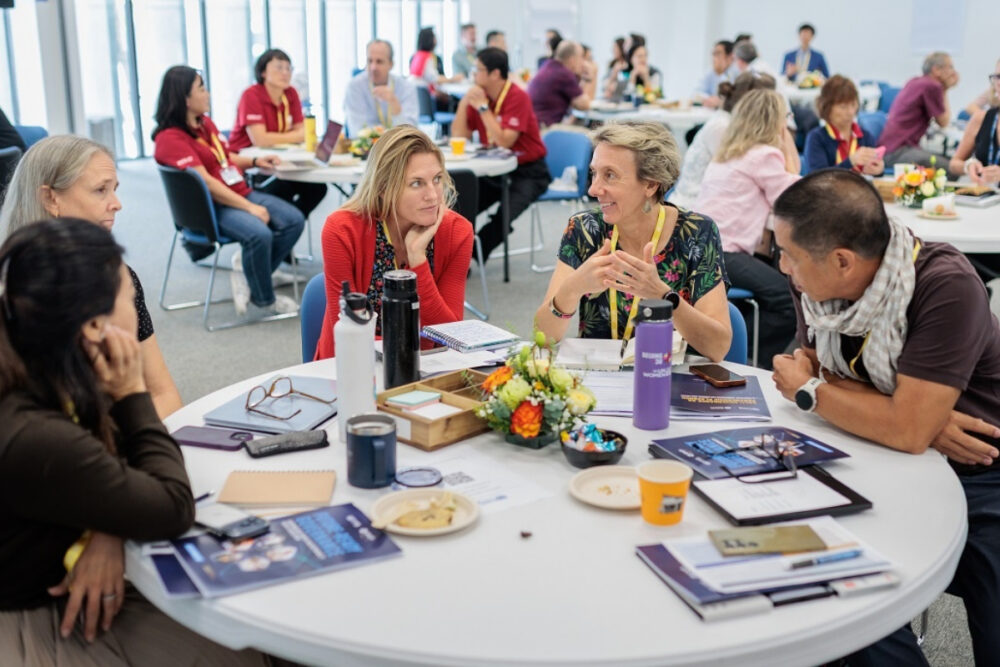
Leading in Shanghai has also reminded me that curiosity is a two-way street. Our children ask big questions about language, identity, environment and equity. Our responsibility as educators is not to close those questions down with quick answers, but to create structures where enquiry is taken seriously: teacher-led research, student projects that tackle real issues such as sustainability and citizen science, and learning environments that invite experimentation rather than compliance. The best professional learning I’ve seen in our school comes when teachers are given permission to be curious too, to test, to adapt, to share what works and what doesn’t.
A Lasting Lesson
When I think back to that early inspection lesson, I no longer wince (well, not quite as much). It was my baptism of fire, but also the start of a through-line in my career: a belief that curiosity is not a phase we “grow out of” after Reception. It is the habit that helps children and adults navigate an increasingly complex world with imagination, compassion and courage.
If there’s one thing I know now, it’s this, when we design schools where curiosity is expected, protected and modelled from Toddler to Year 6 and beyond, plastic fruit doesn’t need to “cut it” anymore. Real questions do.