Japan is set to expand its child rearing aid programme from April by raising insurance premium payments on all households. The move is part of a wider policy package aimed at supporting families, easing labour shortages, and strengthening social welfare systems.
Universal Nursery Access for Children
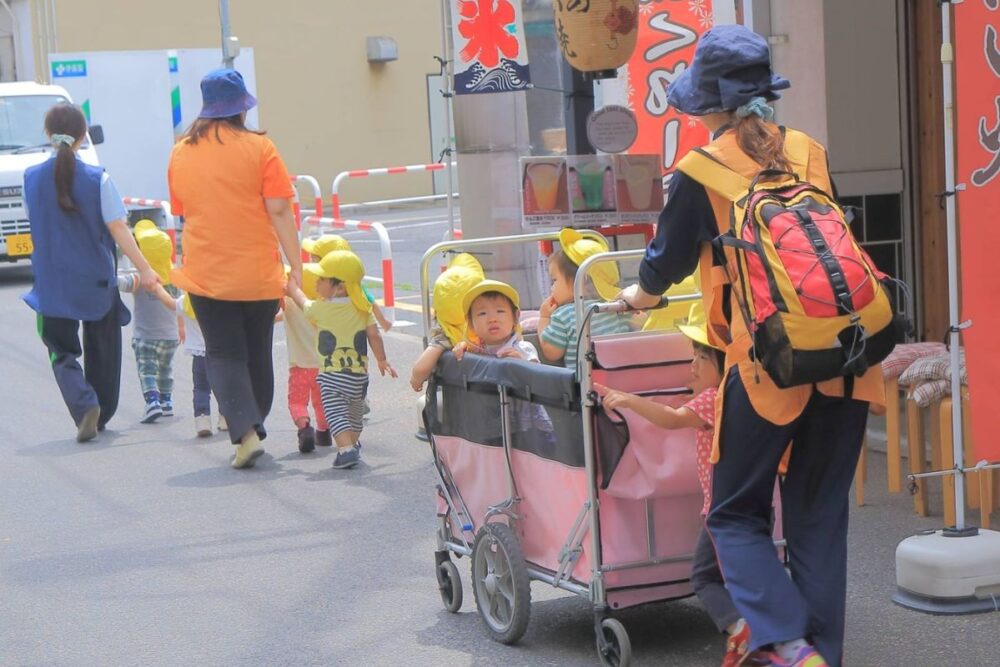
Starting Wednesday, the country will launch a programme to allow any child to enrol in nursery facilities regardless of whether or not their parents work. This marks a significant shift towards more inclusive early childhood care access across Japan.
The programme will be funded by a child rearing support fund, with fees collected on top of public medical insurance premiums from all households. Under the fund programme, corporate employees will pay an average of ¥500 every month in fiscal 2026 starting Wednesday.

Broader Family Support Measures
The support fund will also finance child allowances and ¥100,000 provided to each pregnant woman. These measures are designed to reduce financial pressure on families and encourage higher birth rates.
Starting in fiscal 2026, high school tuition will become virtually free for private schools, as it already has for public schools, with families receiving up to ¥457,200 per year in tuition aid for each full time private school student, regardless of income.
Public funds will cover up to ¥5,200 per child per month for school lunches at public elementary schools.

Changes to Income and Pension Thresholds
Regarding the ¥1.3 million annual income threshold separating those who lose their dependent status and are required to pay social insurance premiums from those who do not, the country will start to calculate annual income excluding overtime pay.
Under a programme in which the country starts reducing pensions for working seniors, the threshold is currently set at a combined monthly total of ¥510,000 in salary and pension income. Starting in April, this will be raised to ¥650,000.
Through both threshold changes, the country aims to ease labour shortages and help avoid a situation where people who want to work more cut back their hours.