Across Thailand, there is a noticeable shift in what families value in education. Academic outcomes still matter, but there is growing recognition that this alone is not enough. Parents are increasingly asking: Is my child confident? Can they think independently? Are they prepared for a rapidly changing world?
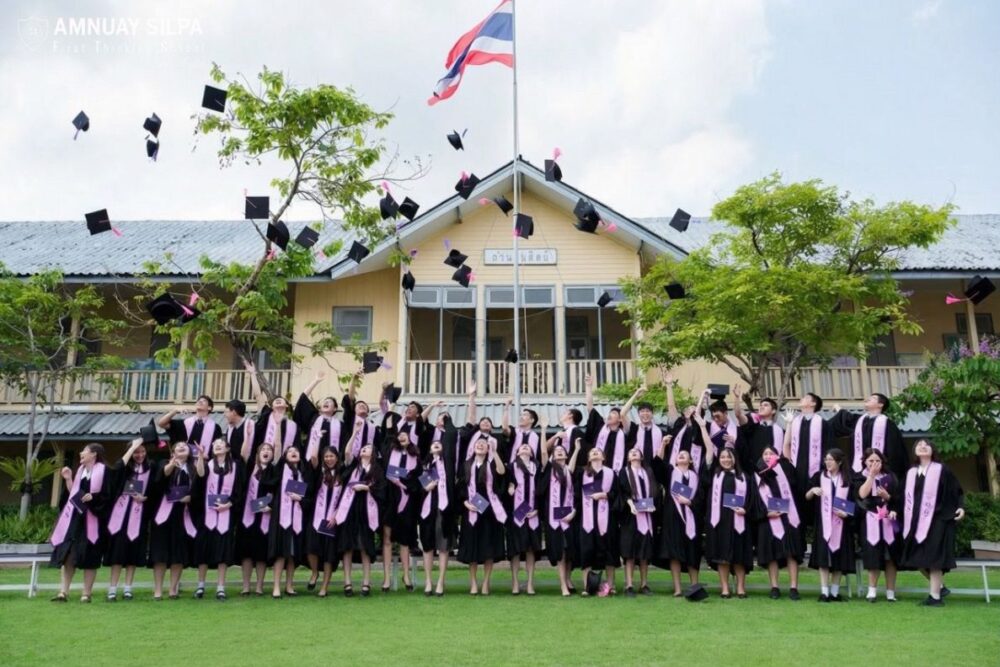
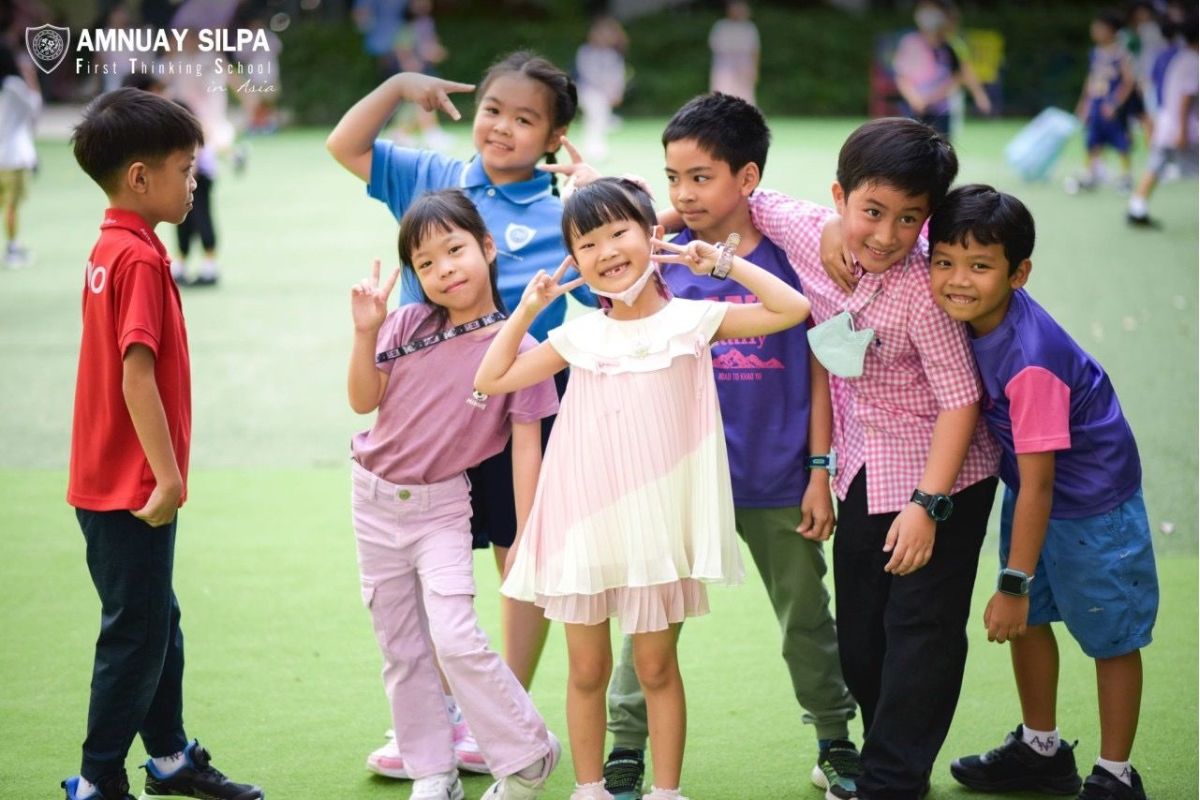
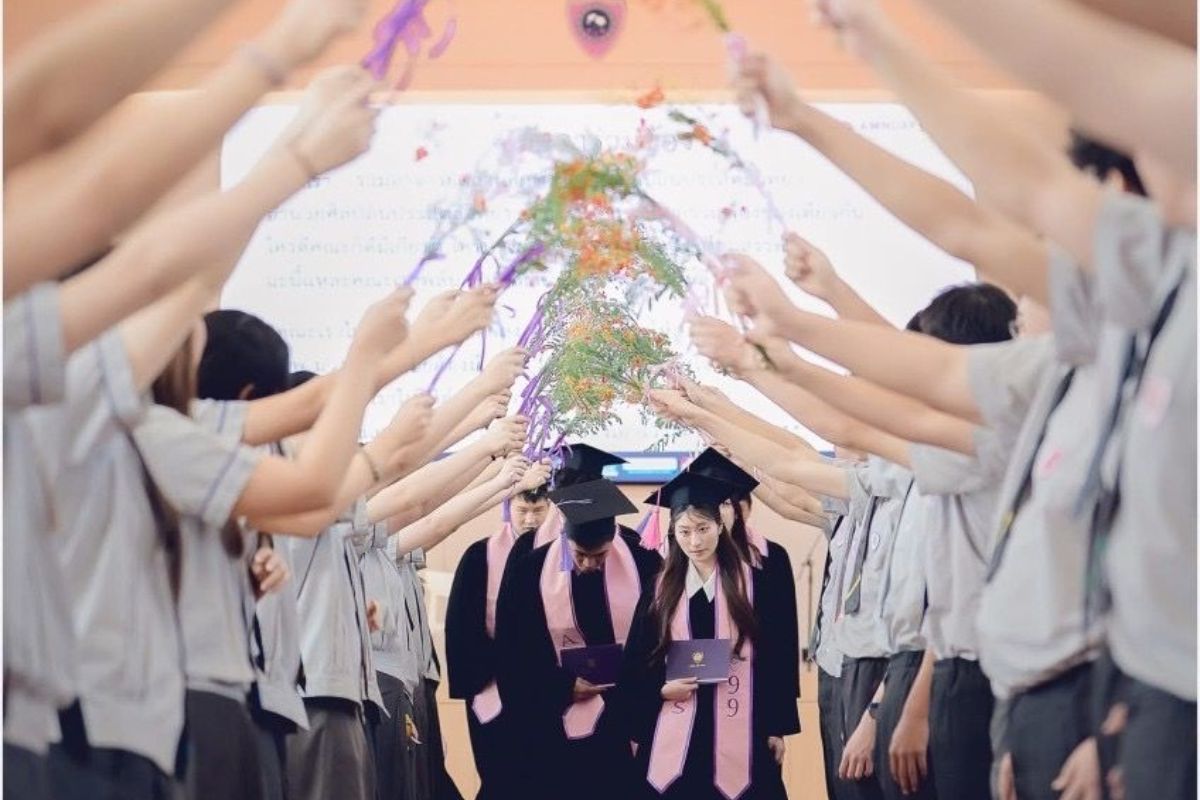
At our school, this shift is shaping both strategy and daily practice. We are proud to be an internationally recognised bilingual school that is academically focused and holistically balanced. Our students graduate with a dual diploma, having experienced a genuinely integrated dual curriculum – UK and Thai. Just as importantly, they engage in the dual culture of the school, learning to move confidently between languages, perspectives, and ways of thinking.
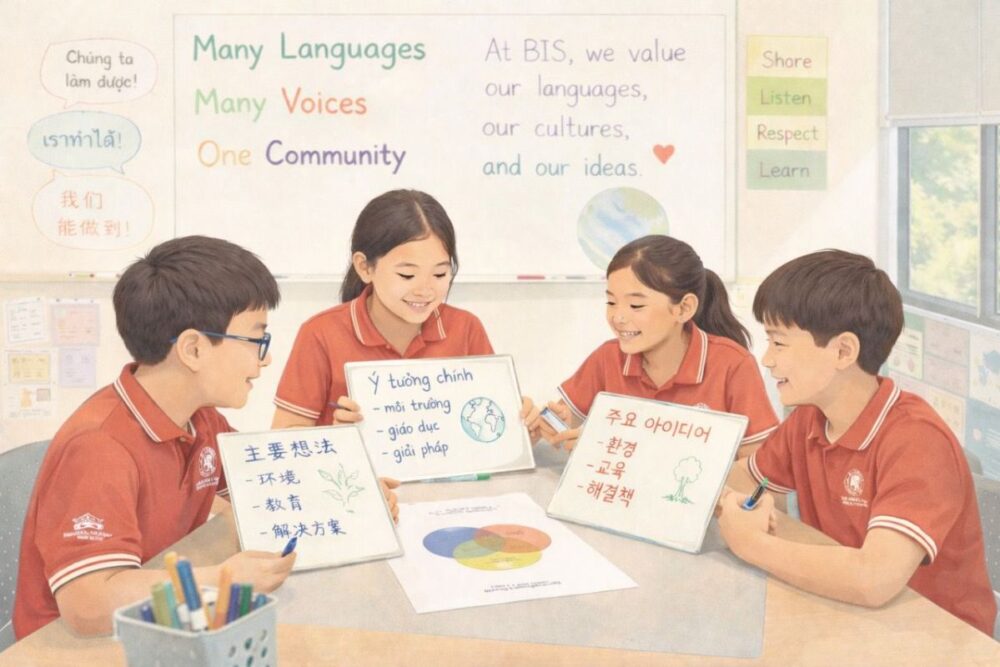
Looking ahead, we are strengthening this global outlook further. A key priority is expanding global language provision, beginning with Mandarin from Year 1 through to Year 13. Alongside this, we are developing after-school opportunities in Mandarin and Japanese, while continuing to deepen our English and Thai provision. This is about more than language; it is about opening doors and preparing students for an interconnected world.
What Are We Seeing That Others Aren’t Talking About Enough?
The phrase “the best of both worlds” is often used in international education, but rarely explored in depth. In reality, achieving this is complex.
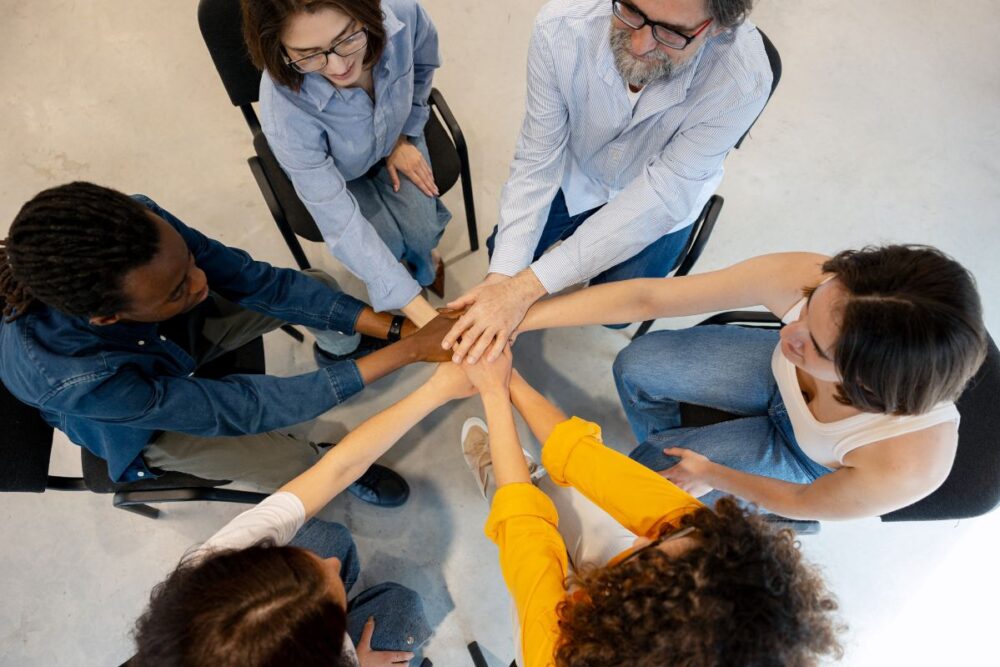
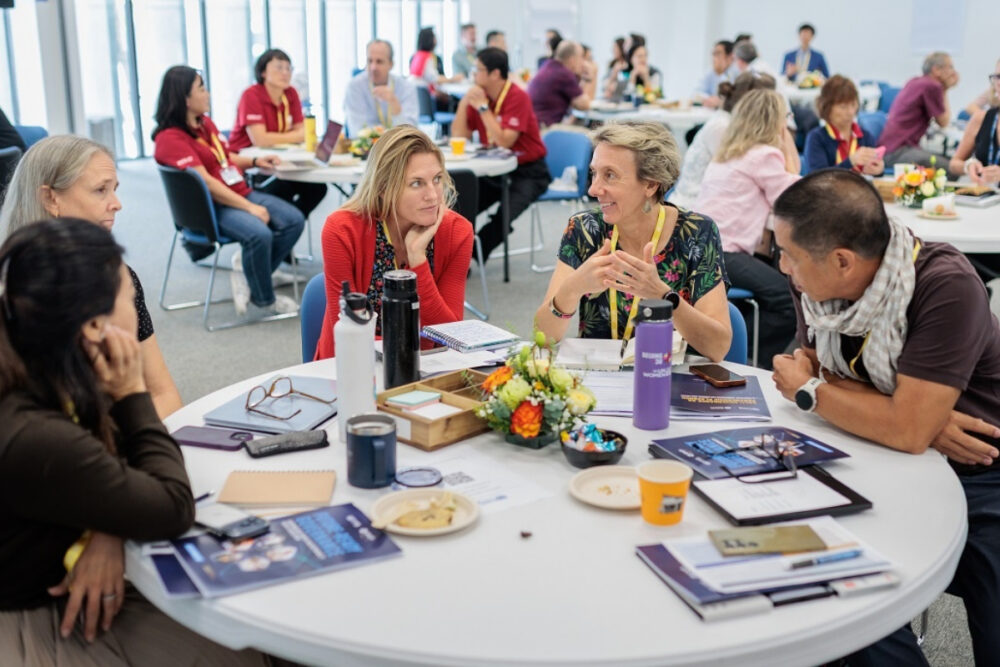
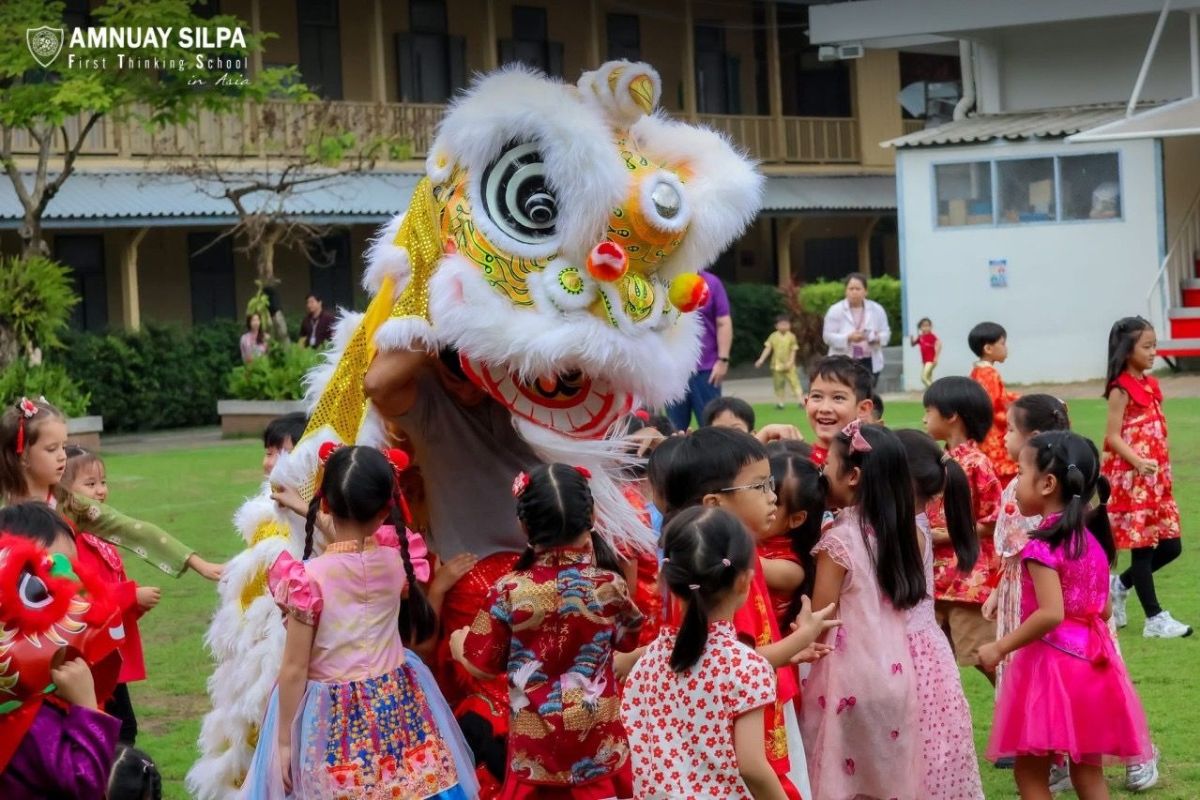
It depends on genuine appreciation of cultural differences and a willingness to learn from and with others. This is not only true for students, but equally for staff. The cross-cultural dynamic between Thai and international educators is where much of the real work happens.
Professional relationships become spaces for reflection and growth. We are constantly learning from each other about pedagogy, communication, and expectations. These everyday interactions bring the concept to life. Without this, “the best of both worlds” remains an idea rather than a lived experience.
What Is Teaching in Thailand Really Like?
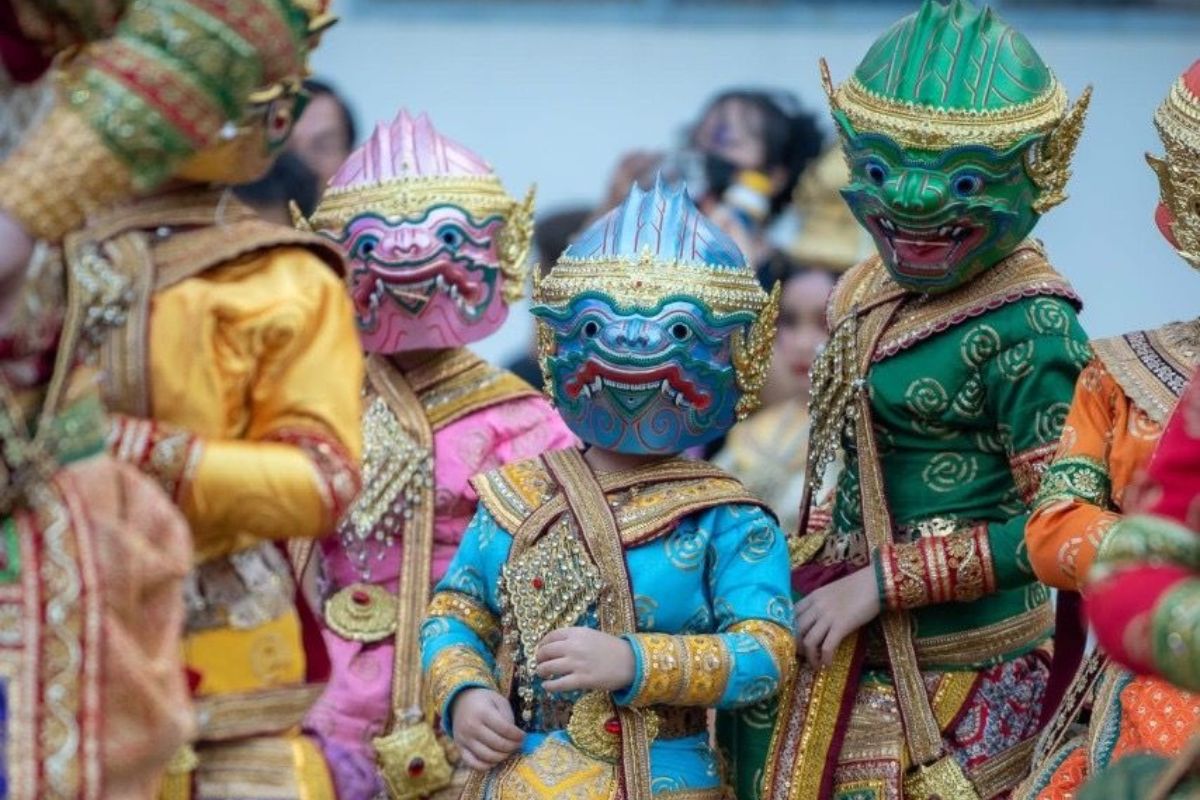
Teaching in Thailand is deeply shaped by culture. Our own school’s value, Respect, is central; it underpins relationships, classroom dynamics, and the wider school community. It is strongly influenced by a Buddhist mindset, where humility, consideration, and harmony are valued.
However, this can sometimes be misunderstood. Respect may be seen as quiet compliance. In an international context, we are encouraging something more: students who question, think critically, and express their ideas.
The challenge is not to replace one with the other, but to bring them together. Creating classrooms where students feel safe to speak and challenge ideas, while maintaining deep respect, is where the real work lies. When achieved, this balance creates a learning environment that is both grounded and forward-looking.
What Have I Learned Through Leadership, Challenge, and Change?
Leadership in this context has reinforced a simple lesson: meaningful change starts with understanding. Importing ideas without context rarely works. Sustainable progress comes from building on shared values, particularly respect, and growing change from within. Patience is key to success when working across cultures.
Developing thinking skills in a traditionally knowledge-focused system requires careful navigation. It demands trust, between school and home, between teachers and students, and across staff teams.
The most meaningful progress often comes through small, consistent shifts:
- A classroom where students feel confident to ask “why?”
- A teacher adapts their approach through collaboration.
- A student beginning to see themselves as both proudly Thai and globally minded.
These moments are not dramatic, but they are lasting.
For those considering working in Thailand, the opportunity is not just to teach, but to be part of something collaborative and evolving. It requires openness, humility, and a willingness to learn.
Because ultimately, at Amnuay Silpa School, “the best of both worlds” is not something we deliver; it is something we continue to build together.