
In many schools, leadership is most visible in meetings, strategy documents, and formal decisions. In this context, some of the most important leadership happens much earlier in the day.
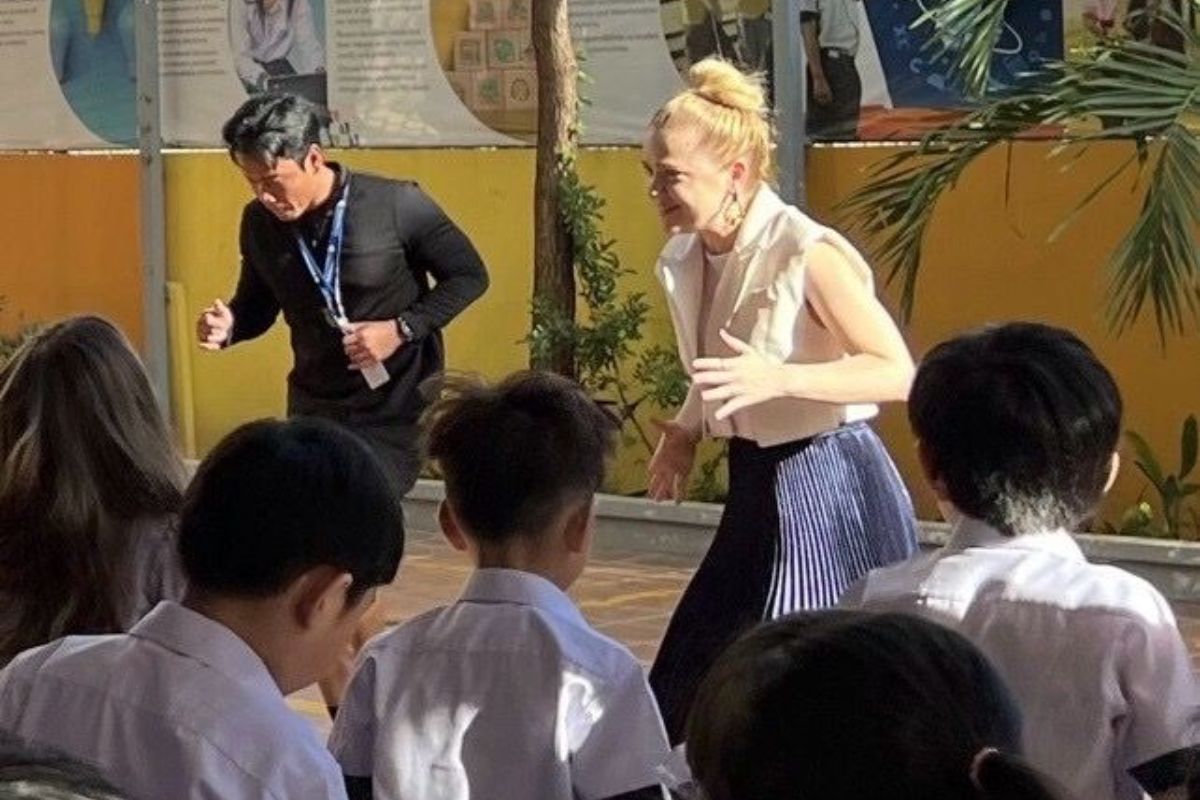
Each morning begins with a clear and consistent routine. Time is spent outside with students as they arrive, starting the day through movement. This is deliberate. It creates energy, but more importantly, it establishes connection. Students arrive in different states, and within a short time a shift becomes visible. They become more focused, more present, and more ready to engage.
Over time, this has not remained an individual practice. Other teachers have joined, creating a shared presence in the morning. This has strengthened relationships across the school and reinforced a consistent start to the day for students.
Building Community Through Daily Rituals
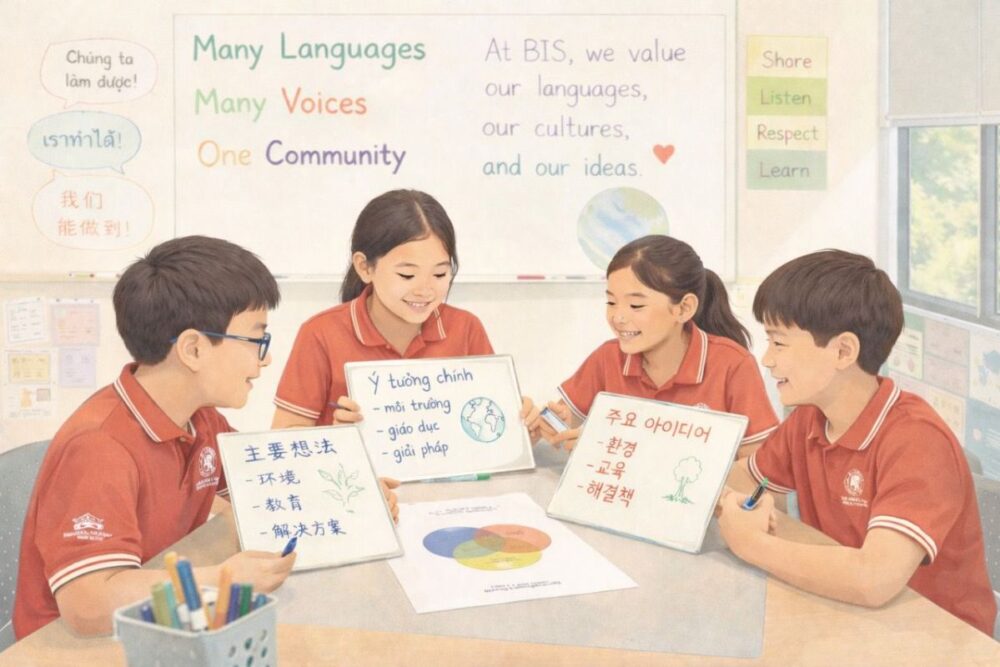
From there, the school comes together as a whole community and sings the school song. In an international setting like Footprints International School, where students and staff bring different languages and cultural backgrounds, this shared moment is significant. It creates a sense of unity and belonging that is felt rather than explained.
As students enter, every single one is greeted each day with a personalised hand movement. These interactions take only a few seconds, but they are consistent and intentional. Over time, they build trust, recognition, and a strong sense of belonging. Students understand that they are seen and known as individuals, not just as part of a group.
Leading Through Connection and Consistency
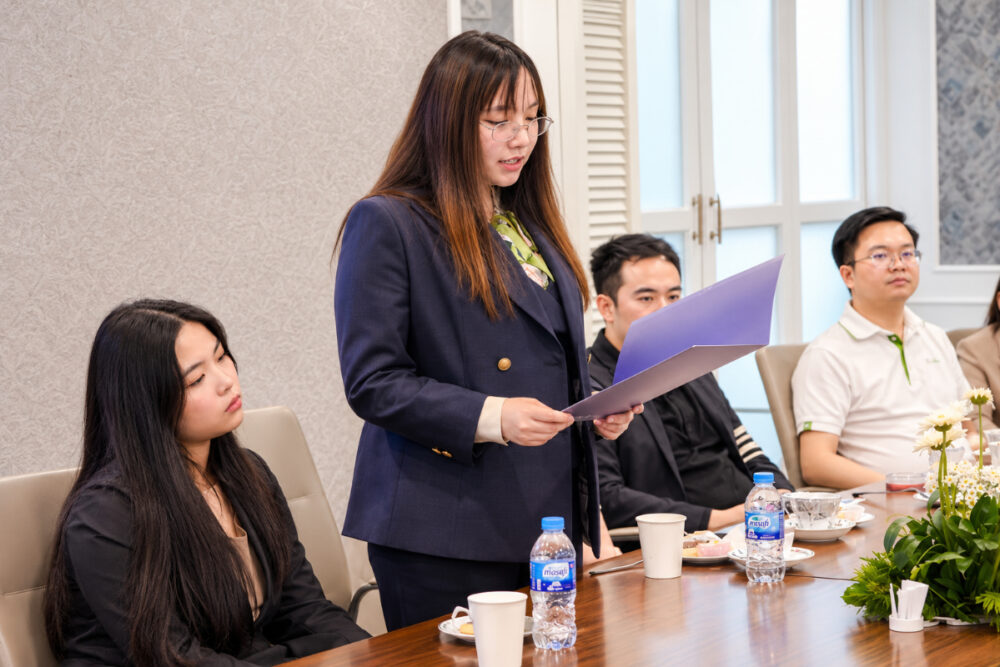
The same level of intention applies to staff. Morning check ins with teachers allow close connection to the team. These are not formal structures, but they are purposeful. They create alignment, allow for immediate support, and ensure that the day begins with clarity.
Once a week, there is also time spent working with students in the afternoons as a football coach. This creates an additional space for connection and leadership. It allows students to be seen in a different context, where collaboration, resilience, and confidence develop in very tangible ways.
These routines are simple, but they are not small. They reflect a broader approach to leadership.
Leadership in an International School Context
Working in an international school means leading within a highly diverse environment. Cultural perspectives shape communication, expectations, and relationships. In this context, leadership requires both clarity and awareness. It is not only about setting direction, but about creating conditions in which people feel confident to contribute.

This thinking has also informed the development of what is referred to as the Brandsar effect.At its core, it is about supporting both teachers and students in developing a clear sense of identity within the school. Not as a label, but as an understanding of what they bring and how they contribute. When teachers recognise their strengths and feel confident in how they show up, their practice becomes more intentional and more impactful.
The same applies to students. When they are encouraged to express their ideas and take ownership of their learning, their engagement becomes deeper and more authentic. They move from participating in a system to actively shaping it.
What Truly Defines a School
In a region where education is evolving rapidly, there is often a strong focus on visible innovation. New programmes, new frameworks, new initiatives. While these are important, they are not what ultimately defines a school.
What defines a school is the consistency of its leadership, the strength of its relationships, and the clarity people have about who they are within it. That is built every day. Long before the first lesson begins.