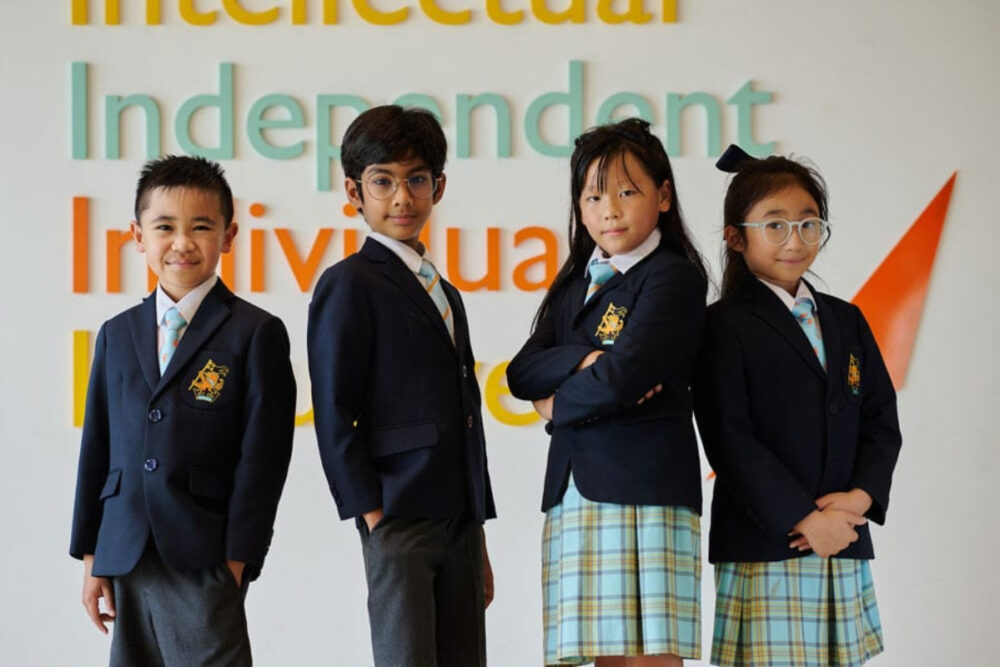
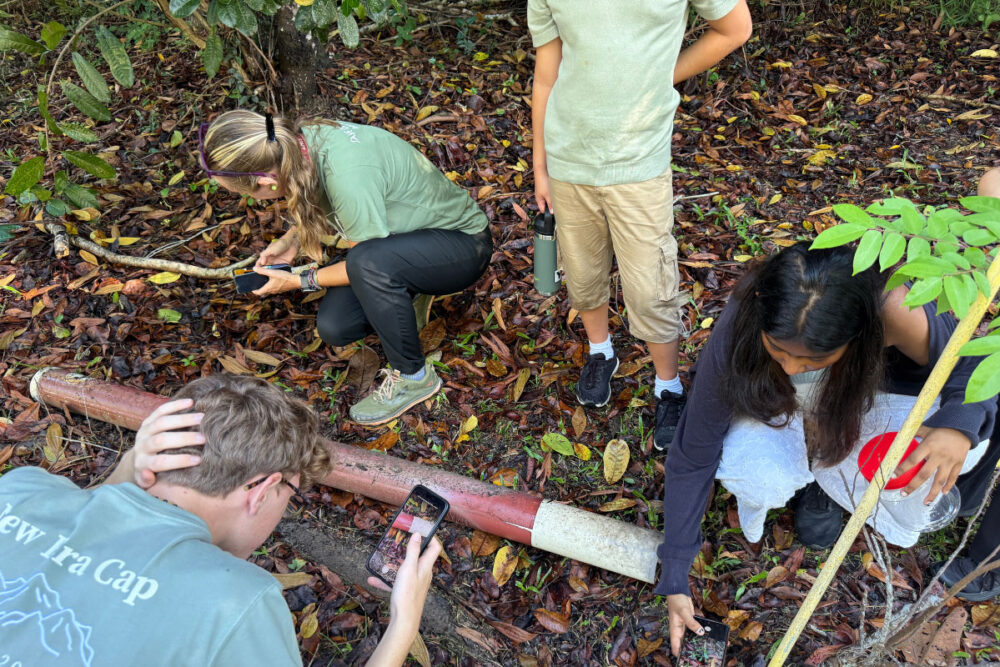
The world is facing an extinction crisis. Since 1500, at least 680 vertebrate species have been driven extinct by humans. The IUCN Red List (2024) records over 46,300 species threatened with extinction, including approximately 11,400 vertebrates and many invertebrates, fungi, and protists.
We are also facing the global collapse of insect populations, with 40% of species declining and up to a third at risk. These species are essential pollinators and play a critical role in nutrient cycling and food chains across ecosystems.
One of the biggest challenges is the lack of available data. There are only so many scientists collecting information on declining populations and biodiversity loss. Without sufficient evidence, it becomes increasingly difficult to support policies and actions aimed at slowing environmental decline.
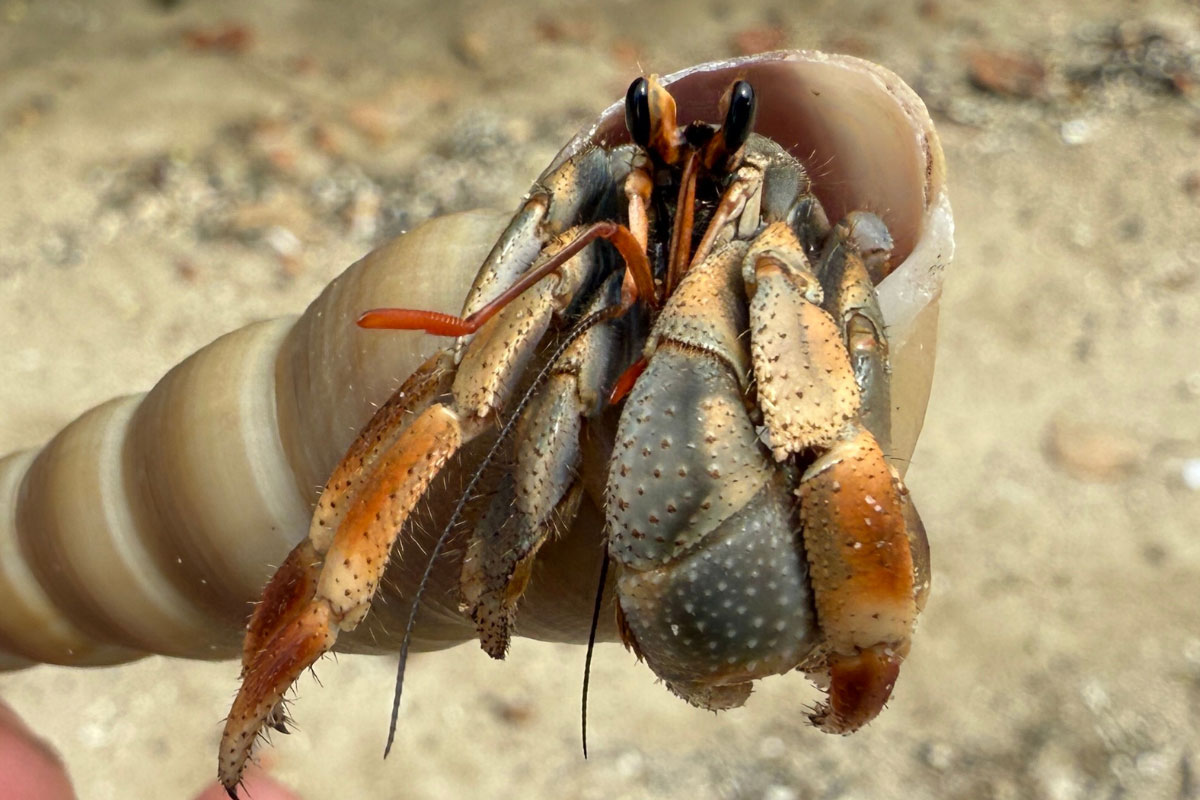
Citizen Science Helps Expand Biodiversity Data Collection
Citizen science is helping to bridge this gap by empowering members of the public to collect valuable environmental data. While observations still require verification, the volume of information gathered can increase significantly through public participation.
This is something that Borneo Futures, a Brunei-based scientific consultancy, has been doing successfully for years. The organisation has pioneered innovative science that informs environmental management practices and policies in tropical forest areas.
When speaking with Director and Geospatial Specialist Rona Dennis, she explained that Borneo Futures even offers financial incentives for observations submitted by local communities in Kalimantan, leading to a dramatic increase in useful biodiversity data.
iNaturalist Encourages Public Engagement With Nature
Apps such as iNaturalist allow the public to record observations of living species, including animals, plants and fungi. Users are guided by AI-powered identification suggestions based on pattern, size, shape and colour before submitting their findings.
These observations can then be verified by scientists and classified as “research grade”, making them suitable for scientific use.
I first discovered iNaturalist in May 2019, when I recorded my first observation, a black-headed cardinal beetle, Pyrochroa coccinea, in Kent, UK. Since then, I have used the app almost daily and am now approaching 3,000 observations.
I have also introduced the platform to students through zoology clubs, classroom activities and field trips. While exploring ways to increase whole-community engagement with nature in schools, I came across Nature Wave, an organisation whose strapline is “Connecting Communities with Nature: Innovative Bioblitz Events for Sustainability, Wellbeing, and Engagement”. This opened the door for an exciting collaboration.
BioBlitz Events Support Wellbeing and Environmental Awareness
Modern society is also facing growing concerns around excessive screen time, social media dependence, gaming addiction, isolation and declining mental health among young people.
Many children and teenagers are increasingly disconnected from the natural world and struggle to identify common plants, animals and food sources around them.
BioBlitz events such as those facilitated by Nature Wave offer an important solution. These activities encourage communities to record observations of wildlife over a fixed period while spending time outdoors.
The events promote wellbeing, strengthen social connections and encourage curiosity about local ecosystems. Families, friends and school communities engage together in discovering and discussing the natural world around them.
Developing a sense of appreciation and wonder for wildlife can also encourage more people to take positive action to protect and care for the environment.
As Sir David Attenborough famously said,
“No one will protect what they don’t care about; and no one will care about what they have never experienced”.
Jerudong International School BioBlitz Delivers Strong Results
The BioBlitz event at Jerudong International School in Brunei took place over three days from 17th to 19th June as part of Science & Earth Week, themed around Borneo Biodiversity.
The project delivered impressive results. A total of 172 people or families joined the initiative, contributing 625 observations and identifying 340 species.
Among the recorded species were,
- 143 species of plants
- 54 species of insects
- 51 species of molluscs
- 22 species of arachnids
- 21 species of birds
- 10 species of reptiles
- 11 species of fungi
- 6 species of mammals
The top student observer, Lina, uploaded 100 observations independently.
The project also increased the total iNaturalist records for Brunei by more than 5%, bringing the total to 12,044 records. Of the 340 species recorded, 81 had never previously been documented on iNaturalist in Brunei.
The event also increased the number of active observers in Brunei by 16.5%.
One particularly notable observation came from staff member Chad Baxter, who recorded an assassin bug, Eulyes preciosa. At the time, it represented the first recorded sighting of the species in Brunei, with only 29 observations globally on iNaturalist.
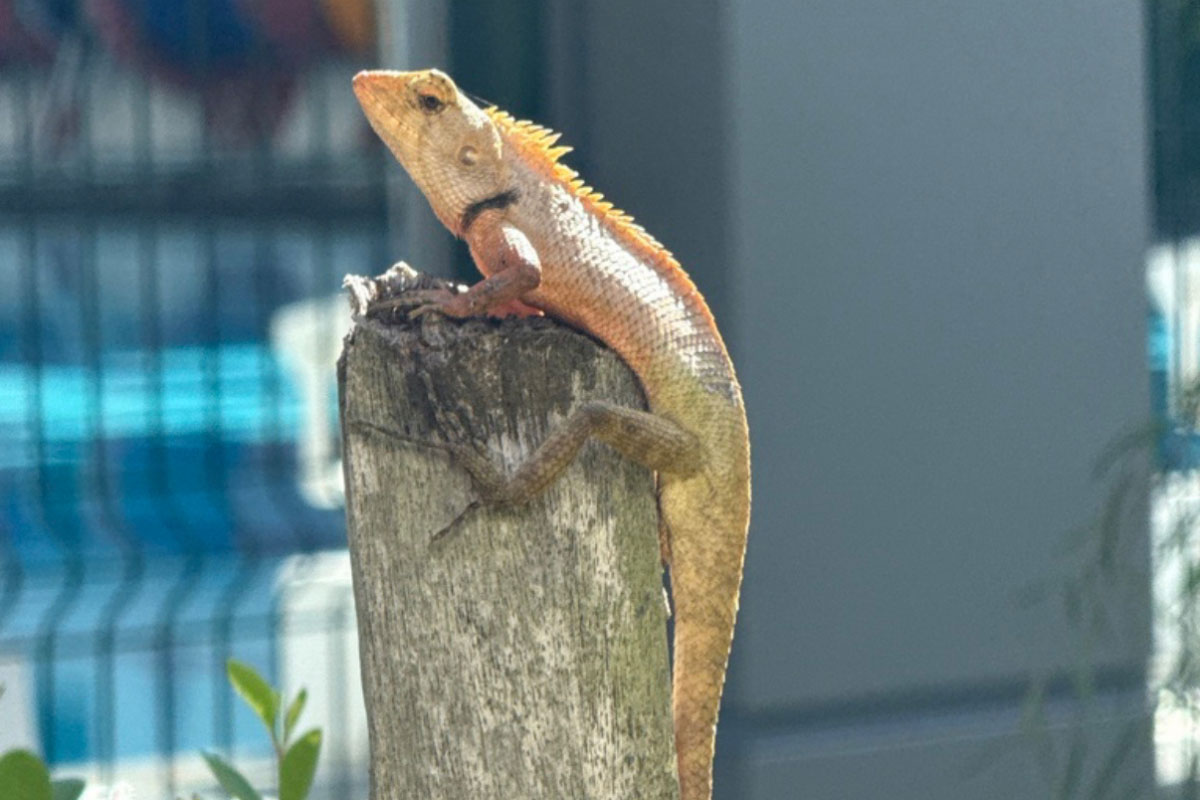
Citizen Science Can Inspire Long-Term Environmental Action
Citizen science is proving to be a powerful tool in the fight against biodiversity loss. Public participation can provide large volumes of valuable environmental data that scientists alone may not be able to collect.
In a recent TED Talk, iNaturalist Executive Director Scott Loarie said,
“Science isn’t just for scientists, everyone can participate” and “(Noticing nature) changes us, each observation is a personal act of curiosity, action and participation & changes our relationship with nature”.
It is hoped that initiatives such as the Jerudong International School BioBlitz will leave a lasting legacy. Students, staff and parents can continue using iNaturalist to record valuable biodiversity data and contribute to tackling extinction, biodiversity loss and climate change.
It all starts with noticing nature.