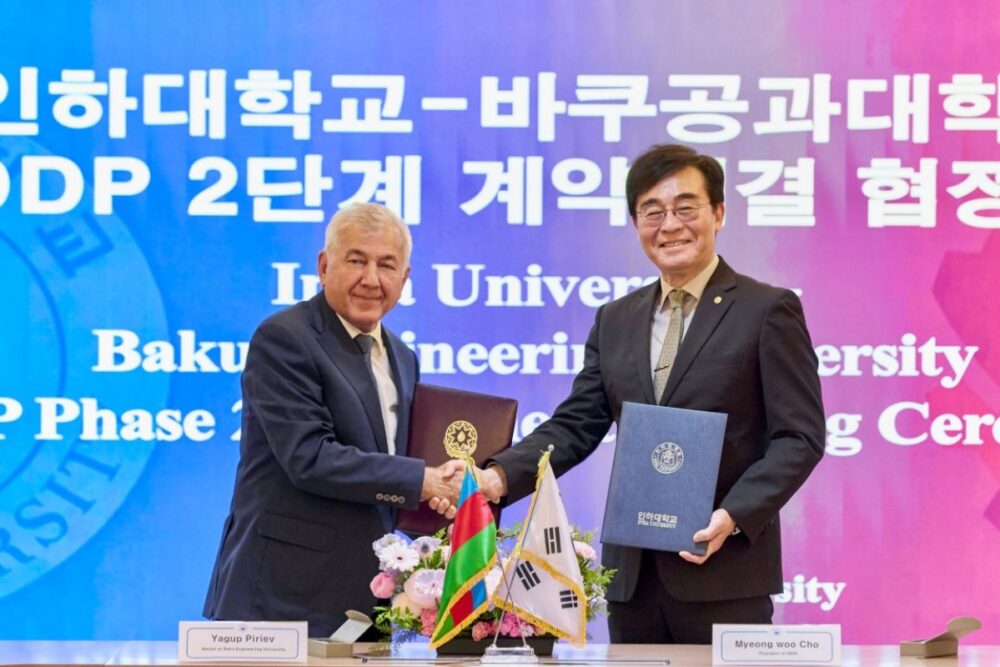
Students seeking a global career in technology and engineering have received a significant boost. Baku Engineering University (BMU) and Inha University of the Republic of Korea have officially renewed their international Dual Diploma Programme. This partnership offers students an exceptional opportunity to gain two distinct degrees from two different countries, blending local academic foundations with world-class international training.
The agreement was signed during a visit by BMU Rector Yagub Piriyev to South Korea. Notably, this renewal marks the second phase of a highly successful collaboration. It ensures that students can continue to access top-tier education in rapidly evolving technical fields.
Why this Dual Diploma Programme Matters for Future Engineers
For students and parents planning higher education pathways, this international collaboration provides a direct route into global industry. During the signing ceremony, Inha University Rector Cho Myeong Woo emphasized the strategic importance of educational cooperation in strengthening bilateral relations between the two nations. He noted that the students participating in the BEU-INHA Dual Diploma Program (DDP) are expected to play a meaningful role in deepening future collaboration between Azerbaijan and South Korea, particularly in science, engineering, and innovation-driven sectors. He also highlighted that the existing partnership has already developed into a strong academic foundation, enabling both universities to confidently move into the second phase of their joint program.
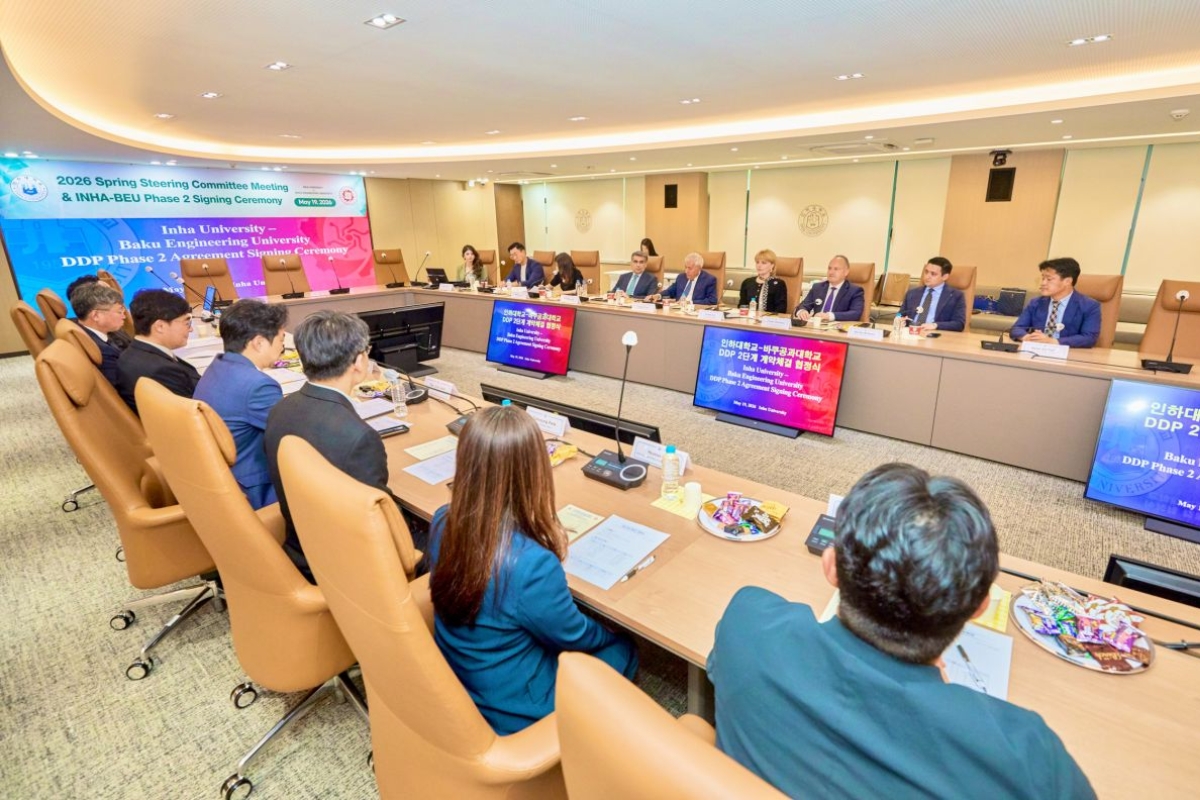
Furthermore, the initiative aligns perfectly with national strategies to elevate higher education standards. From the Azerbaijani side, BMU Rector Yagub Piriyev underscored the importance of the State Program aimed at enhancing the international competitiveness of Azerbaijan’s higher education system. This initiative, implemented under the guidance of national leadership, has significantly supported the expansion of international dual degree programs, enabling Azerbaijani students to gain access to world-class academic training while remaining connected to their home country’s development goals. Piriyev stressed that such initiatives not only elevate academic standards but also contribute to the formation of highly skilled professionals in fields critical to national growth.
High Demand Disciplines and Structured Pathways
The renewed Dual Diploma Programme focuses heavily on high-demand technical subjects. Therefore, students can specialise in areas such as Information Technology, Electrical and Electronics Engineering, Computer Science, Artificial Intelligence Engineering, and Data Science and Analytics. These fields are essential for school leaders and educators who want to guide their students toward future-proof career paths.
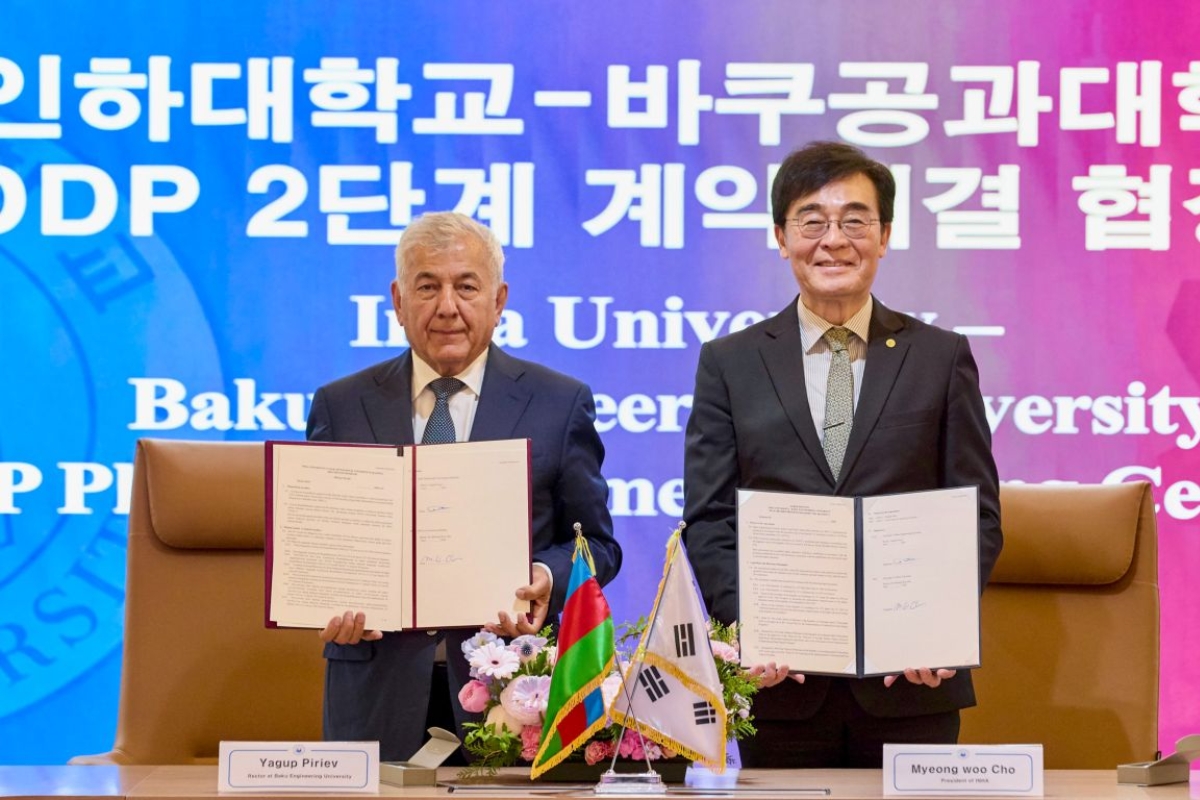
Meanwhile, the curriculum utilizes a structured 3+1 academic model. Under this framework, undergraduates complete three years of study at their home university and one final year at the partner institution overseas. Consequently, this model guarantees that participants receive comprehensive exposure to both local and international academic environments, building their independence and cultural adaptability.
Proven Academic Success and Long Term Security
This collaboration has already demonstrated exceptional results for its participants. Currently, 329 students are enrolled across both phases of the programme, reflecting strong demand for internationally recognized engineering education. To date, 143 students have successfully completed the program, demonstrating its effectiveness in producing globally competitive graduates. Additionally, 114 students in their final year at Inha University are expected to graduate this summer, further expanding the growing network of dual-degree alumni.
Administratively, the pathway remains incredibly smooth for learners. He further explained that the continuation of the BEU-INHA dual degree initiative under its second phase would help strengthen the long-standing friendship and cooperation between Azerbaijan and South Korea. He also acknowledged the efforts made by both institutions in facilitating student mobility, particularly noting the recent organization of online entrance examinations by Azerbaijan’s State Examination Center for students studying in Korea. These efforts ensure smooth academic progression and reflect the strong administrative coordination behind the program.
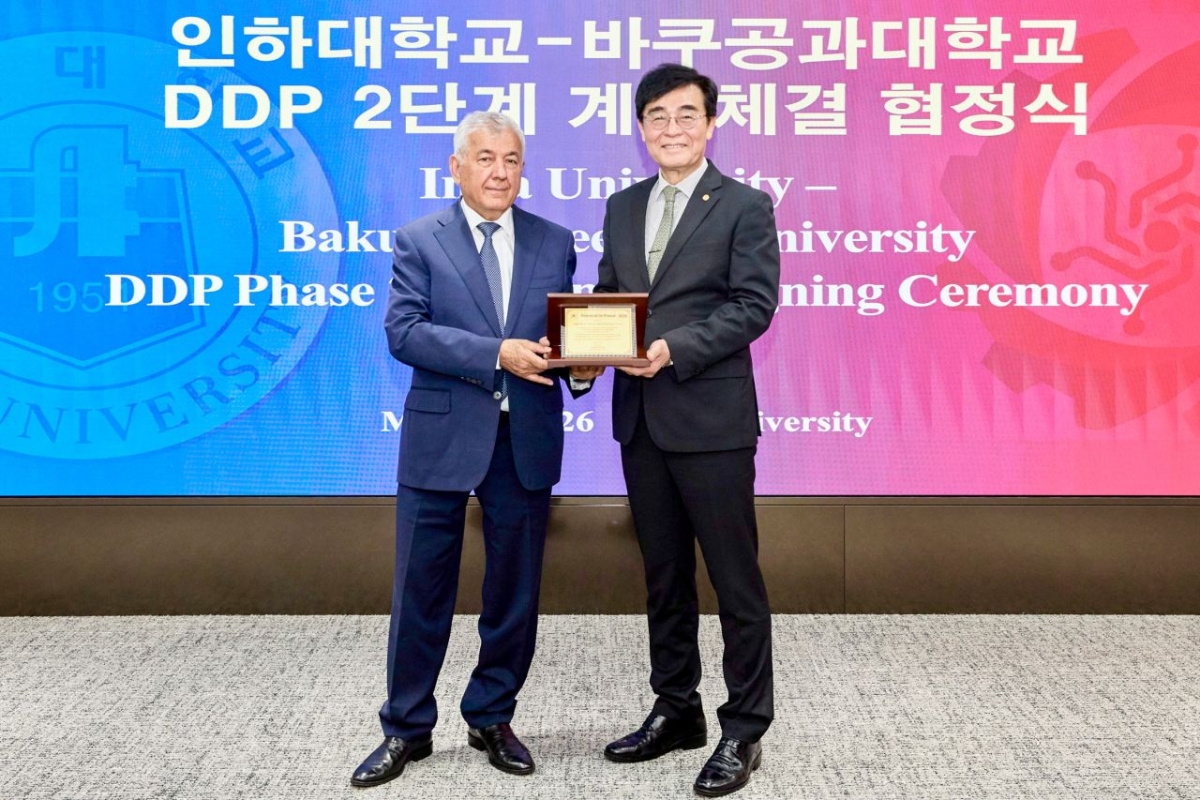
Ultimately, this educational alliance offers immense stability for families and educators planning for the future. Originally launched in 2020, a recent presidential order has extended the framework through to 2030. As a result, this decade-long commitment establishes the initiative as a flagship international education model, preparing the next generation to lead in global technological innovation.