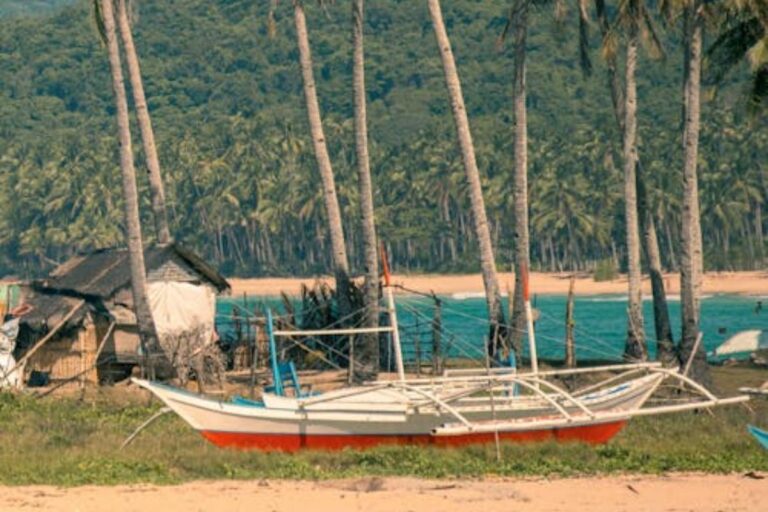






The Philippines is one of those countries that feels easy to land in, even if it takes a bit of time to properly understand. Spread across thousands of islands in Southeast Asia, it gives you a mix of busy city life, coastal living, and quieter provincial areas, so your experience can look very different depending on where you base yourself. English being widely spoken makes a huge difference: you can get things done, have conversations, and settle into daily life without that initial language barrier.
Day-to-day, life feels quite open and social. People are friendly, there’s a strong sense of community, and it doesn’t take long to build a network through work, school or just being out and about. At the same time, it’s not the most structured place. Things don’t always run on time, systems can be a bit inconsistent, and you do need a level of patience, especially when it comes to paperwork or getting things organised.
Cost of living can be reasonable, particularly for local goods and services, but imported items, housing in key areas, and international schooling can push costs up quickly. The climate is tropical, so it’s warm most of the year, with a rainy season and the occasional typhoon, which shapes how people plan their time.
One of the big advantages is location. Travel across Asia is easy and relatively affordable, and even within the Philippines, there’s a huge amount to explore: islands, beaches, and completely different environments just a short flight away.
It’s not perfect, but once you settle into how things work, it’s a place that feels relaxed, sociable, and very liveable.