





Moving to South Korea

Excellent Public TransportIB · British · AmericanInternational SchoolsSafe & Family-FriendlyWorld-Class Cities

South Korea is one of those countries that feels incredibly modern and efficient, yet still deeply rooted in tradition. From the fast-moving energy of Seoul to the more relaxed coastal feel of Busan, there’s a clear contrast in lifestyle depending on where you base yourself, but everywhere feels safe, organised, and easy to navigate.

One of the first things people notice is how advanced everything is. Public transport is excellent, technology is embedded into daily life, and cities run with a level of efficiency that makes day-to-day living straightforward. At the same time, there are quieter pockets, historic palaces, and mountains woven into city life, which give it a very different feel from other major global hubs.

In terms of cost, South Korea sits somewhere in the middle. It’s not as expensive as places like London, but it’s not as affordable as parts of Southeast Asia. Rent in central Seoul can be high, particularly due to the unique deposit system, but transport, food, and general living costs can be quite reasonable. You can choose between high-end living or more modest options depending on your lifestyle.

Food is a huge part of the culture. Korean BBQ, bibimbap, and street food markets are a big part of everyday life, and eating out is common. Convenience stores are also on another level: fresh, cheap, and genuinely part of daily routines.

The climate is very seasonal. Summers are hot and humid, winters are cold, sometimes extremely cold (often below freezing), and spring and autumn are short but genuinely beautiful. It’s a noticeable shift if you’re coming from consistently warm climates.

Korean is the national language, and while English is taught in schools, it’s not always widely spoken outside of major areas. Learning some basics goes a long way in daily life.

For tax, foreigners living in South Korea for more than 183 days are considered residents and taxed on a progressive scale. There are some expat tax benefits and flat-rate options in certain cases, but most people seek advice to understand what applies to them.

Overall, South Korea offers a lifestyle that is fast, efficient, and culturally rich: a place where everything works, yet you still feel you’re experiencing something distinct and different.

South Korea

At a Glance

Currency: South Korean Won (KRW)
Language: Korean
Time zone: Korea Standard Time (KST) – GMT +9
School fees: Korea Standard Time (KST) – GMT +9
Visa type: E Visa Professionals F Visa long term residency
Climate: Four Clear Seasons

Top Tips About South Korea

Living in Seoul feels very different to most places. It’s fast, highly organised and incredibly convenient. Everything runs on time, and daily life is built around efficiency. If you’re in Busan, things feel a little more relaxed, with a coastal influence, but still structured and easy to navigate.
Most people live in high-rise apartments. They’re secure, modern, and well-maintained, but often smaller than what you might be used to. The biggest adjustment is the rental system, where large upfront deposits are common. It can feel like a big commitment at first, but it’s standard practice across the country.
South Korea sits somewhere in the middle. It’s not cheap, but it’s not extreme either. Rent in central Seoul can be high, but transport, food and everyday costs are quite manageable. You can live comfortably, but lifestyle choices make a big difference to how far your money goes.
Public transport is one of the easiest parts of life here. The subway and bus systems are clean, reliable, and affordable. You quickly realise you don’t need a car, even in a large city, as everything is well-connected and clearly mapped.
Food becomes part of your routine very quickly. Eating out is normal, convenient, and often cheaper than cooking. From small local restaurants to late-night food spots and convenience stores, there’s always something available, and you naturally fall into a rhythm of eating out more than you might expect.
Korean is the main language, and while English is present, it’s not widely used in everyday situations. You can get by, but it’s not always straightforward. Learning basic phrases makes a real difference and helps with settling in and building confidence.
The seasons are very defined. Summers are hot and humid, winters are cold, often below freezing, and spring and autumn are short but genuinely beautiful. It’s quite a shift if you’re used to consistent weather, and you feel the change throughout the year.
Work culture can feel more formal and structured, with clear hierarchies and expectations. There’s a strong sense of respect within workplaces, and it can take time to adjust to the pace and approach, especially if you’re coming from a more relaxed environment.
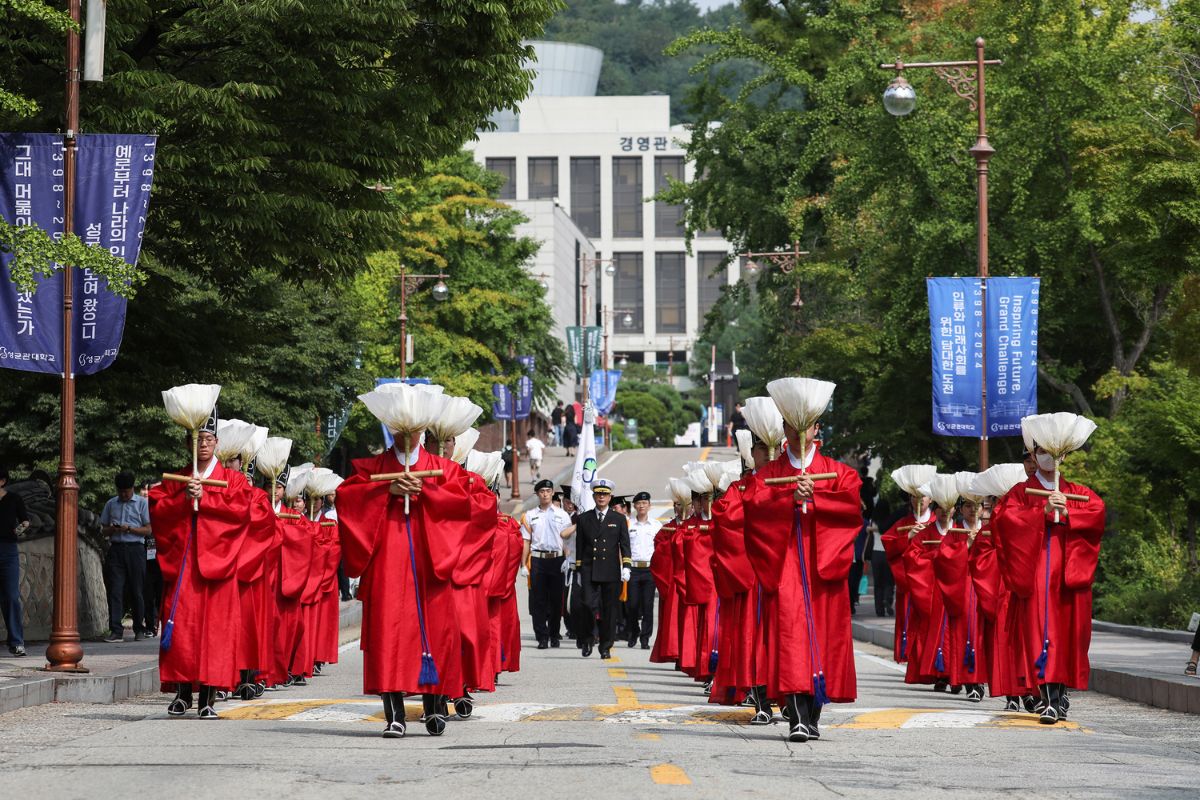
Education in South Korea: 9 Key Things Parents Should Know

As an expat, most families look at international schools, particularly in Seoul. You’ll find British, American, and IB options, but places are competitive, and waiting lists are common. Location matters as well: commuting across the city can be time-consuming.
International schools can be expensive, and many have application processes that include assessments and documentation. It’s worth starting early, especially if you’re relocating mid-year, as availability can be limited.
If you choose a local Korean school, the academic pace can feel intense. There is a strong focus on results, discipline and high achievement. For many expat families, this can be quite a shift from more balanced or holistic systems.
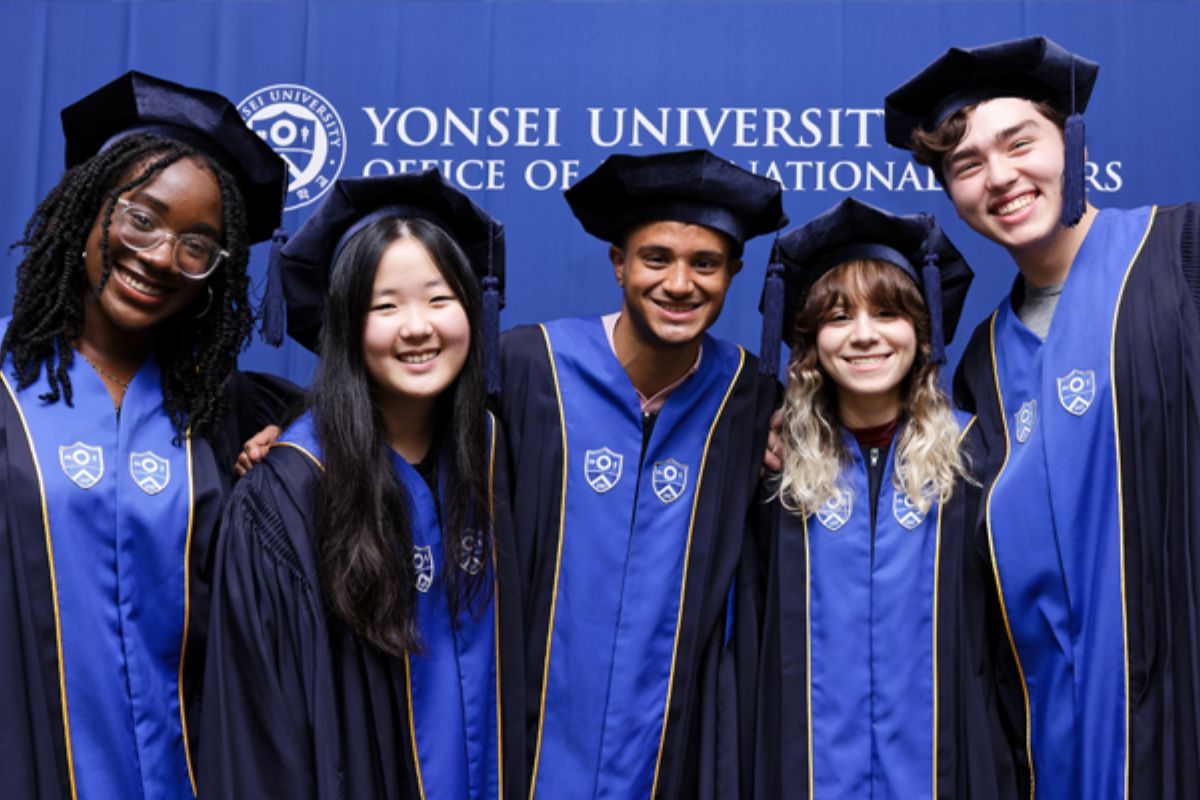
Even if your child attends an international school, you’ll notice the wider culture of after-school study. Many children in Korea attend private academies in the evenings, and while expat families don’t always follow this, your child will be aware of it.
International schools operate in English, but outside of school, Korean is dominant. Younger children often adapt quickly, but older students may find the language barrier more noticeable in social settings.
International schools are generally very well resourced, with strong academic outcomes and a wide range of extracurricular activities. Sport, music and wider opportunities are available, although space can sometimes be more limited than in larger campus-style schools elsewhere.
School days are fairly structured, with a strong focus on academics during the day and activities built around that. Term dates vary by curriculum, so it’s important to check alignment with your home system if that matters.
One of the key things expat families notice is the contrast between the local system and international schools. While international schools tend to focus more on balance and well-being, the wider culture remains academically driven, and children can feel this indirectly.
Education in South Korea offers strong academic standards and excellent international school options, but it does require planning. For expat families, the key is finding the right balance: a school that fits your child, while understanding the wider culture they’re stepping into.

Related Articles

Top 5 Education Options in South Korea

Early Learning

Privacy Overview

This website uses cookies so that we can provide you with the best user experience possible. Cookie information is stored in your browser and performs functions such as recognising you when you return to our website and helping our team to understand which sections of the website you find most interesting and useful.