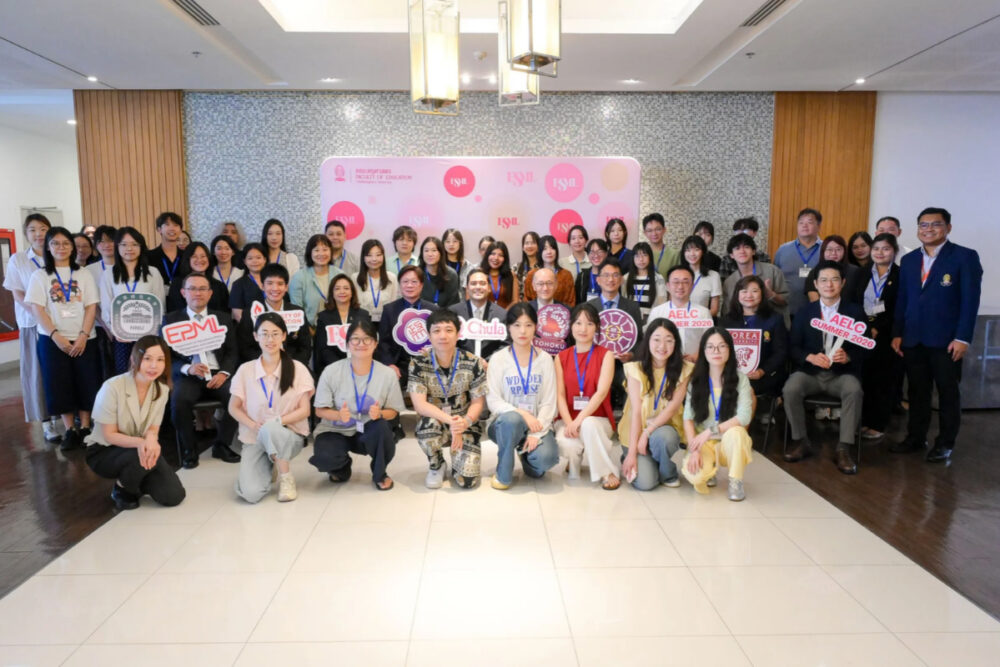
The Asia Education Leader 2026 Summer Course is bringing more than 70 students and faculty members together at Chulalongkorn University in Thailand. The programme, running from August 10 to 19, gives participants an opportunity to learn across education systems and build international networks.
Hosted by the Faculty of Education at Chulalongkorn University with Tohoku University in Japan, the Asia Education Leader 2026 programme focuses on academic exchange and the development of education leaders with a wider regional perspective.
The programme also marks Chulalongkorn University’s first year as a partner in the Asia Education Leader network. National Taiwan Normal University confirmed that Chulalongkorn joined the partnership in 2026.
Asia Education Leader 2026 Expands Regional Collaboration
The Asia Education Leader 2026 Summer Course brings together faculty members and students from several leading universities across Asia.
Participants include representatives from National Chengchi University, National Taiwan Normal University, Nanjing Normal University, Korea University and Tohoku University. Students from Chulalongkorn University are also taking part.
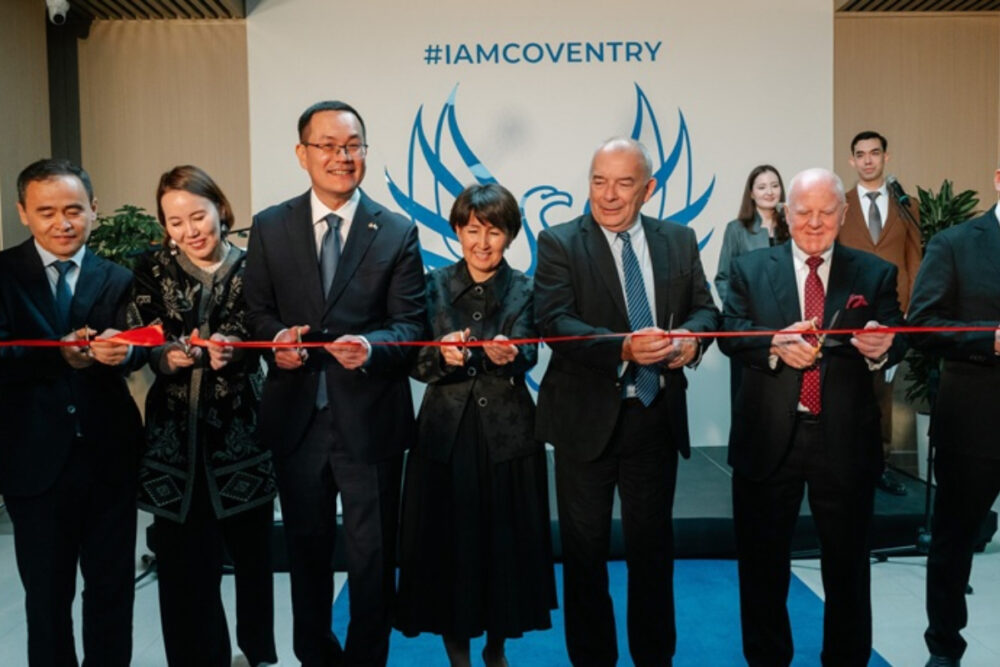
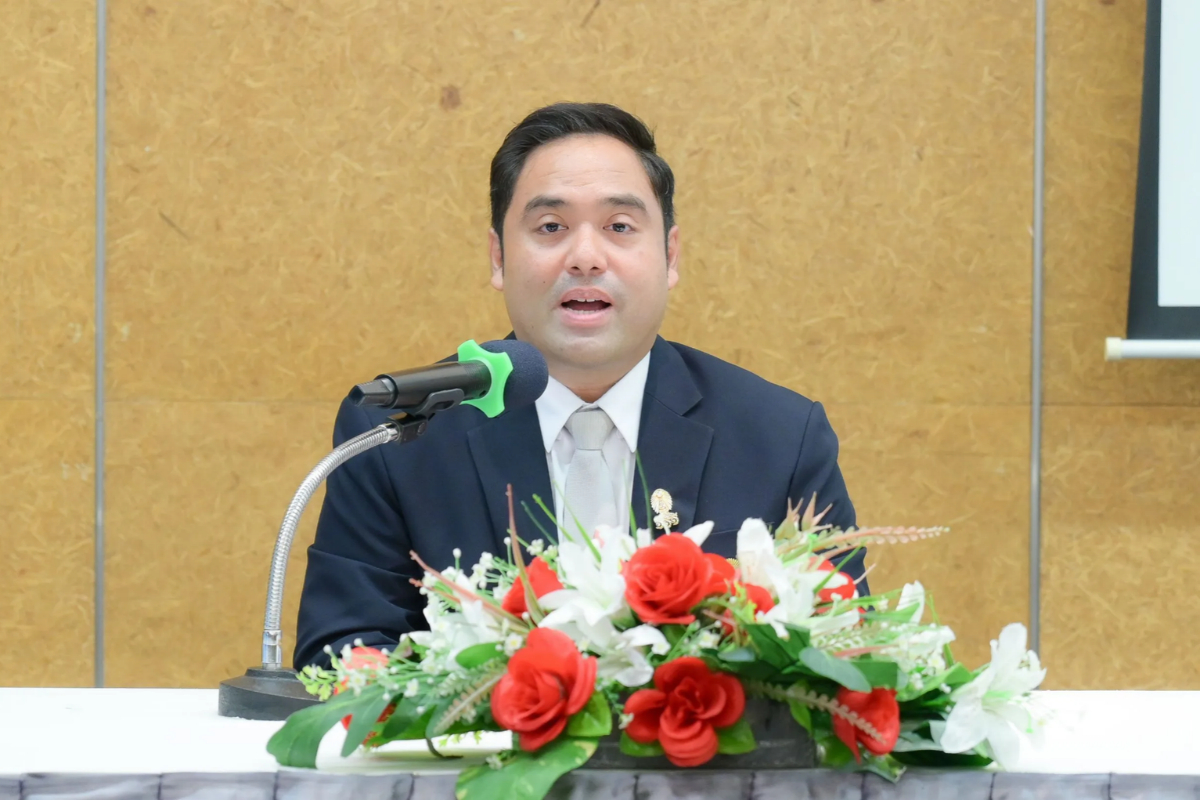
The opening ceremony took place on August 10 at the Faculty of Education at Chulalongkorn University. Assoc. Prof. Dr. Yotsawee Saifah, Dean of the Faculty of Education, Chulalongkorn University, and Prof. Dr. Hideki Kozima, Dean of the Graduate School of Education, Tohoku University, welcomed participants.
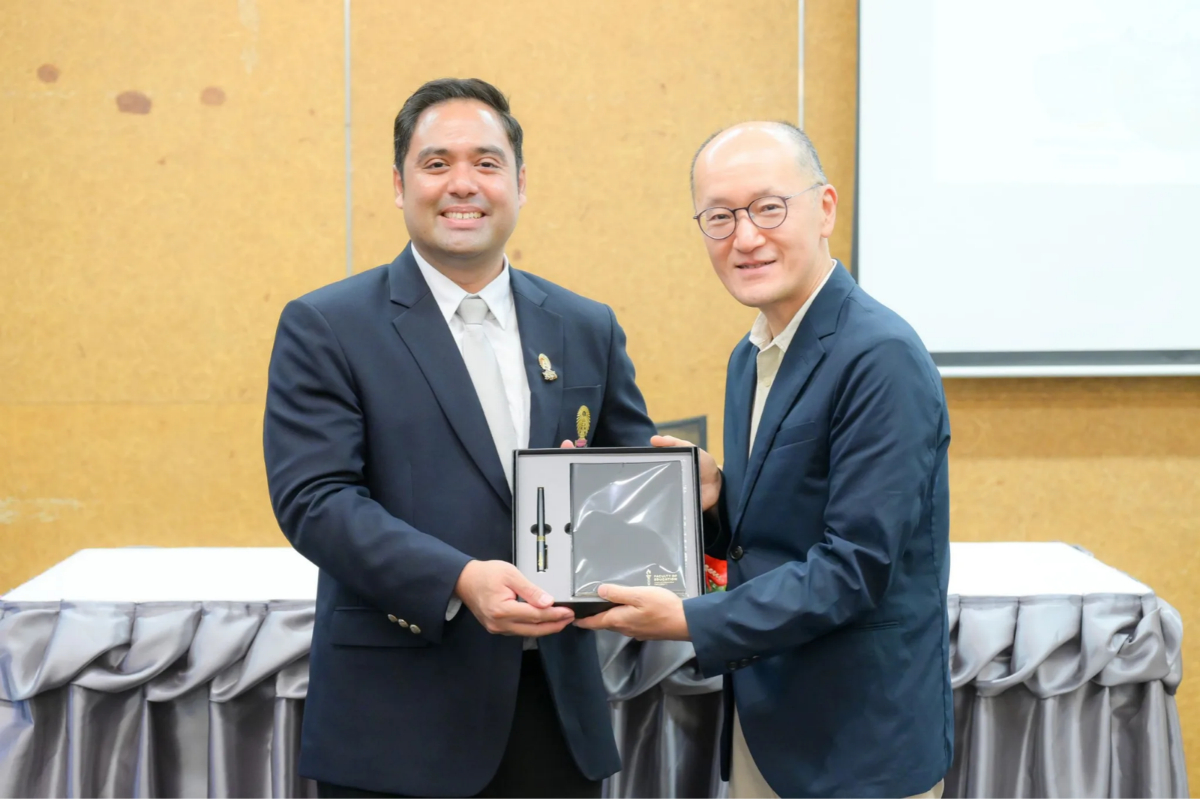
and Prof. Dr. Hideki Kozima, Dean, Graduate School of Education, Tohoku University (right)
They highlighted the importance of university partnerships in developing education leaders and strengthening networks across Asia.
For students, the programme offers exposure to different approaches to education. Meanwhile, educators can exchange ideas with colleagues working in different national and institutional settings.
What Students And Educators Can Gain
Throughout the Asia Education Leader 2026 Summer Course, participants will join lectures, academic activities, discussions and knowledge-sharing sessions.
They will also work on collaborative projects with students from different countries. In addition, field trips and cultural exchange activities will form part of the programme.
These activities are intended to help participants understand how education systems differ across Asia. They also provide opportunities to consider common challenges from a range of cultural and educational perspectives.
For students considering careers in education, policy or academic research, such international experiences can provide useful professional connections. Educators and school leaders can also gain fresh perspectives that may inform teaching, leadership and collaboration.
The wider Asia Education Leader programme is designed to develop internationally minded education professionals. Its stated goals include preparing education researchers, teacher leaders and education administrators to work across the region.
Chulalongkorn University Joins A Growing Education Network
Chulalongkorn University’s involvement expands an established regional education network.
The Asia Education Leader Course has brought together partner institutions including Tohoku University, National Chengchi University, National Taiwan Normal University, Korea University and Nanjing Normal University. Chulalongkorn University joined the partnership in 2026.
The programme has also developed a structured academic model. Courses are taught entirely in English and cover four areas: Knowledge, Attitude, Skill and Practice. Students can work towards a joint Asia Education Leader Course certificate after meeting the programme’s credit requirements.
This approach gives participating students more than a short-term international experience. It creates opportunities for sustained academic engagement with peers and institutions across Asia.
Why International Education Networks Matter
Cross-border university programmes can give future education professionals a stronger understanding of how policy, teaching and leadership operate in different contexts.
That matters as schools and universities increasingly work with international partners. It also gives students opportunities to develop communication, collaboration and intercultural skills alongside their academic studies.
Furthermore, networks such as Asia Education Leader can support relationships between universities beyond a single course. The participating institutions can use these connections to strengthen research, student exchange and academic collaboration.
For educators and school leaders, such partnerships can provide access to new ideas and approaches. For students, they can open pathways to international learning and professional networks.
Ultimately, the Asia Education Leader 2026 Summer Course reflects a wider effort to connect education communities across Asia. Its focus on shared learning and collaboration gives participants an opportunity to understand regional education challenges while developing relationships that can continue beyond the programme.