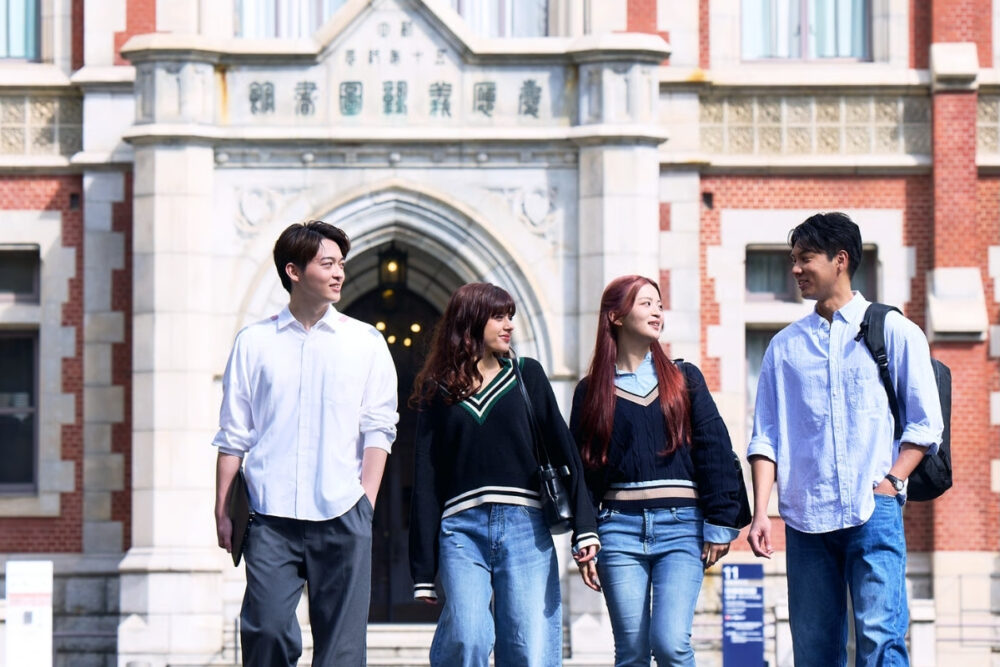
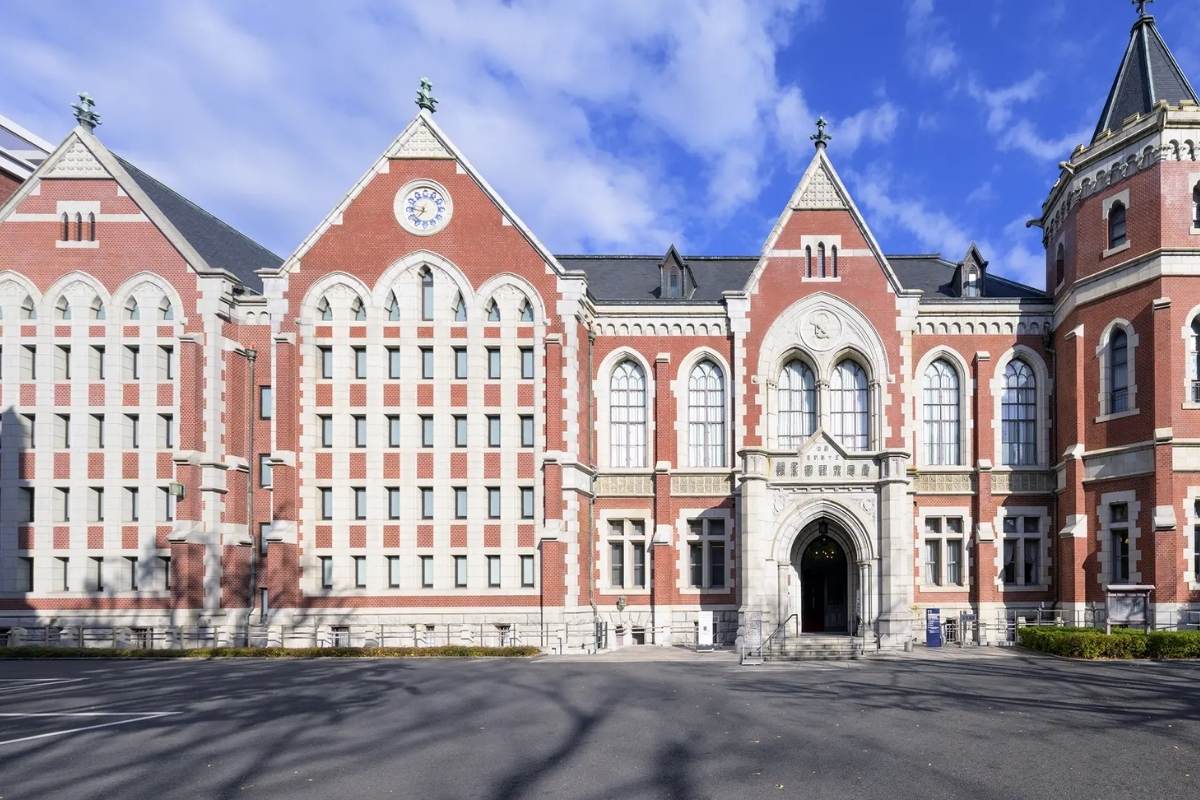
Keio University has introduced an anime peace studies course that examines how Japanese animation can foster empathy and connect people across cultures and generations.
The course, launched during the current academic year at the university in Tokyo, attracted about 400 students. Supported by Netflix Inc., it brought together academics and practitioners to explore anime from historical, cultural and international perspectives.
For students, the course offers an unusual way to examine themes such as diplomacy, conflict, communication and cultural understanding through a medium familiar to audiences around the world.
How Anime Peace Studies Connects Culture And Education
Anime peace studies places popular culture within an academic setting, giving students an opportunity to consider how animated stories can influence the way people understand different societies.
Fourteen classes were held between April and July. Guest speakers included anime critics, diplomats and researchers from other universities.
Their presentations covered subjects including the history of anime, global viewing trends and the portrayal of war in Japanese animation.
For educators, the course also highlights how familiar cultural material can encourage students to engage with complex subjects.
Rather than treating anime only as entertainment, the programme considers how stories can encourage discussion about experiences, values and perspectives beyond students’ own communities.
Exploring Anime’s Role In Japanese Diplomacy
The course also examined the relationship between anime and Japan’s international engagement.
Kenjiro Monji, 74, a former director general for public diplomacy at the Foreign Ministry and former ambassador to Canada, delivered a lecture on 16 June.
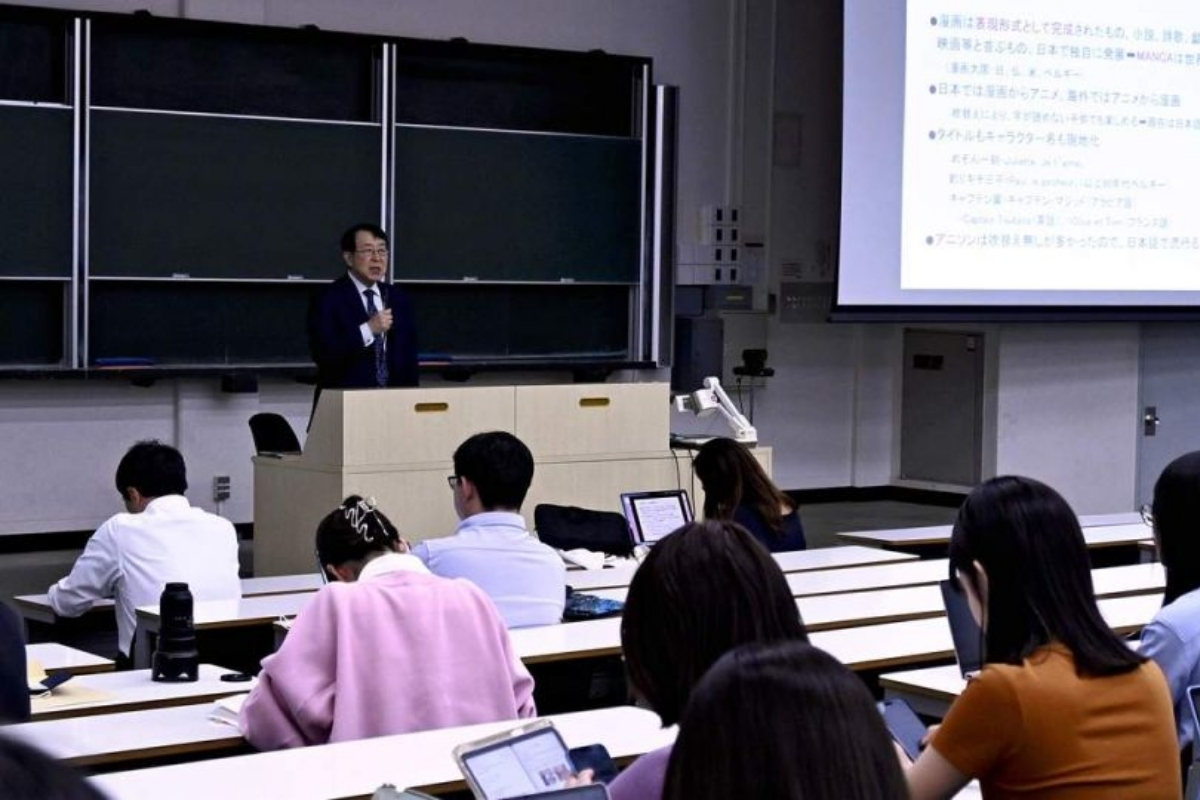
He discussed Japan’s use of popular culture in diplomacy since the 2000s.
For example, he highlighted Japanese water trucks decorated with illustrations from “Captain Tsubasa” that were welcomed in post-conflict Iraq. He also referred to Doraemon’s appointment as an anime cultural ambassador. Monji said,
“I realized that anime has the power to bridge language and cultural divides. I realized that anime has the power to bridge language and cultural divides.”
These examples demonstrate how familiar characters and stories can sometimes create connections where language and cultural differences might otherwise present barriers.
Why Anime Can Support Student Discussion
Anime has a significant international audience, making it an accessible starting point for conversations about culture and society.
One third-year law student who took the course reflected on the value of anime as a shared medium. A third-year law student who took the course said,
“Even without English proficiency, I felt anime could serve as a common tool for interacting with people.”
For students, this approach can make discussions about international relations and cultural differences more approachable.
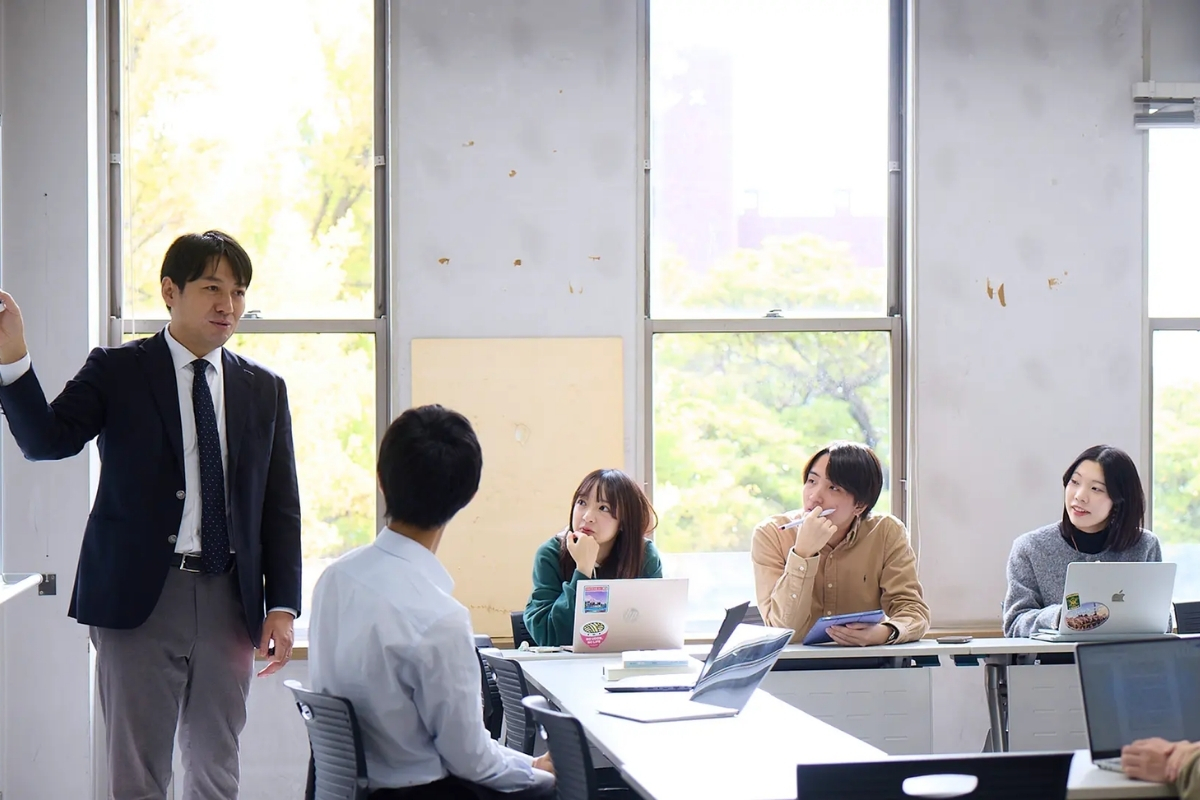
It can also encourage them to consider how the same story may be understood differently by audiences from different cultural backgrounds.
Learning About War Through Popular Culture
The depiction of war was another topic explored during the programme.
Anime has addressed war, peace and its consequences through a range of genres and historical settings. Studying these depictions allows students to consider how creative works represent conflict and human experiences.
For educators, this provides opportunities to connect media studies with subjects such as history, international relations, politics and social studies.
It can also encourage students to question how stories shape perceptions of events and people.
Keio University Plans To Continue The Course
The response to the first anime peace studies course has encouraged Keio University to continue the programme.
The course is scheduled to be offered again next academic year.
Eijiro Mizutani, an associate professor at the university’s Institute for Journalism, Media & Communication Studies and the person responsible for the course, said the accessible nature of anime helped encourage student participation. Eijiro Mizutani, an associate professor at the university’s Institute for Journalism, Media & Communication Studies and who is in charge of the course said,
“Using anime as an accessible starting point led to lively discussions among the students. I want to continue examining how anime can contribute to peace.”
What Educators Can Learn From The Approach
The course offers an example of how universities can use popular culture to engage students with challenging academic themes.
For educators, familiar media can provide a starting point for deeper conversations about history, conflict, diplomacy and cultural understanding.
Meanwhile, students can develop critical thinking skills by examining how stories are created, interpreted and shared across borders.
Ultimately, Keio University’s approach shows that education can draw on students’ existing interests while encouraging them to explore complex questions about society and the wider world.