For many parents, academic results, university admissions and career opportunities are important measures of educational success. However, preparing students for meaningful lives requires schools to look beyond qualifications and consider the people young learners are becoming.
At Soka International School Malaysia (SISM), this approach centres on value-creating, humanistic education. The school aims to develop academic ability alongside confidence, emotional awareness, character and a sense of purpose.
For families choosing a school, this raises an important question. What should children gain from their education beyond examination results?
Why Preparing Students For Meaningful Lives Matters
Preparing students for meaningful lives means giving young people opportunities to understand themselves, build relationships and consider how their choices affect others.
Academic achievement remains an important part of this process. However, students also need opportunities to develop communication, collaboration, resilience and empathy.
At SISM, the approach is designed to connect learning with students’ wider lives. The school believes that education should help young people develop not only the knowledge required for future study and employment, but also the qualities needed to participate positively in their communities.
For parents, this can offer a broader way of considering educational outcomes. A child’s progress is not measured only by grades, but also by their confidence, relationships, ability to overcome setbacks and willingness to contribute.
Strong Relationships Support Student Development
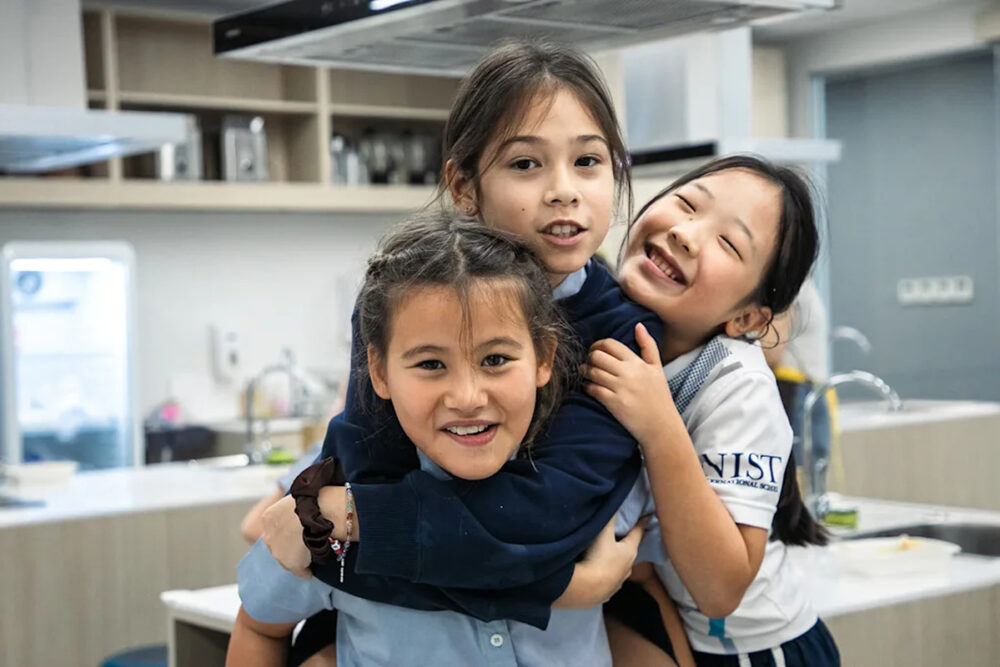
The relationships students build at school can have a significant influence on how comfortable they feel when learning and facing challenges.
SISM places emphasis on pastoral care, mentor-mentee relationships and communication with families. These structures give students opportunities to express themselves, ask for guidance and reflect on their experiences.
Students who feel seen, heard and supported may be more willing to participate in lessons and take on new challenges.
Furthermore, positive relationships can help create a school environment where mistakes become opportunities to learn rather than reasons to disengage.
For educators and school leaders, this highlights the importance of creating a culture where academic learning and student wellbeing are closely connected.
Connecting Classroom Learning With Real Life
Preparing students for meaningful lives also requires learning to extend beyond memorising information.
SISM offers Cambridge IGCSE and A Levels programmes, providing students with established academic pathways. Alongside these programmes, the school uses approaches including Mastery-Based Learning, Social-Emotional Learning, Dialogic Learning and Purpose-Based Learning.
These approaches encourage students to reflect, collaborate and communicate. They also provide opportunities to consider real-world problems and different perspectives.
As a result, students are encouraged to think about how knowledge can be applied outside the classroom.
For example, learning can involve investigating a problem, discussing different viewpoints and considering the consequences of possible decisions. Such experiences can help students understand that education has relevance beyond examinations.
Building Wisdom, Courage And Compassion
SISM identifies wisdom, courage and compassion as three qualities that students are encouraged to develop throughout school life.
Wisdom can help students understand the relationship between their actions and the wider world.
Courage can support students as they encounter uncertainty, difference and setbacks. It can also encourage them to continue learning when things do not go according to plan.
Compassion helps students recognise the needs of others and respond with empathy.
These qualities can develop through classroom activities, community engagement, school programmes, dialogue, boarding life and everyday interactions.
For parents, this offers another useful consideration when evaluating a school’s approach. Families may wish to ask how schools help children develop character, manage challenges and understand their responsibilities towards others.
Asking More Than What Career Will I Pursue?
Career preparation remains an important part of education. Yet students are entering a world where their interests, careers and opportunities may change considerably over time.
SISM encourages students to consider questions that go beyond choosing a profession.
“What career will I pursue?”
They should also feel empowered to ask,
What value can I create?
How can I contribute?
Who do I want to become?
These questions encourage students to think about the wider purpose of their education.
Rather than viewing qualifications as an end point, students can begin to consider how their knowledge, skills and personal qualities can be used to contribute to the people and communities around them.
What Parents Can Look For In A School
For parents comparing schools, the idea of preparing students for meaningful lives can provide a useful framework for evaluating education.
Academic pathways remain important, but families can also look at how a school supports student development beyond the classroom.
Questions worth asking include,
- How does the school support students’ emotional and social development?
- Are students encouraged to communicate their ideas and opinions?
- How does the school develop confidence and resilience?
- Are there opportunities for community engagement?
- Does classroom learning connect with real-world issues?
- How does the school encourage students to understand different perspectives?
- Are students given opportunities to discover their interests and strengths?
These questions can help families look beyond league tables and examination results when considering whether a school is the right fit for their child.
Education With A Wider Purpose
Preparing students for meaningful lives does not mean moving away from academic achievement. Instead, it recognises that academic knowledge is one part of a much broader educational experience.
Students need knowledge and qualifications. They also need the confidence to use what they know, the ability to work with others and the judgement to make thoughtful decisions.
At SISM, this broader philosophy is reflected in the belief that education should prepare students for both successful futures and meaningful lives.
For parents, educators and school leaders, the message is clear. A strong education should help students understand not only what they can achieve, but also who they want to become and how they can contribute to the world around them.