Learning how to help kids make friends is an important part of parenting, particularly when children start a new school, move to another country or struggle to feel included. Parents cannot choose their children’s friends, but they can help create the conditions for meaningful relationships to develop.
Some children make friends quickly, while others need more time. Personality, confidence and previous experiences all play a part. Therefore, a child who takes longer to find close friends is not necessarily falling behind socially.
The goal is not to make children popular. It is to help them build relationships where they feel accepted, supported and comfortable being themselves.
Why Children Need Time To Build Friendships
Friendships rarely develop through a single introduction. Instead, children often become closer through repeated interactions, shared activities and small everyday moments.
Seeing the same classmates at lunch, attending a weekly sports club or working together on a school project can give children more opportunities to connect. Over time, familiar faces can become trusted friends.
Additionally, children need to feel safe enough to express themselves. Those who worry constantly about being liked may find social situations tiring or stressful.
Parents can help by showing children that they are valued regardless of how many friends they have. This reassurance gives them room to develop relationships at their own pace.
How To Help Kids Make Friends At Different Ages
Children’s social needs change as they grow. Parents can support them by understanding what friendship looks like at each stage.
Younger Children
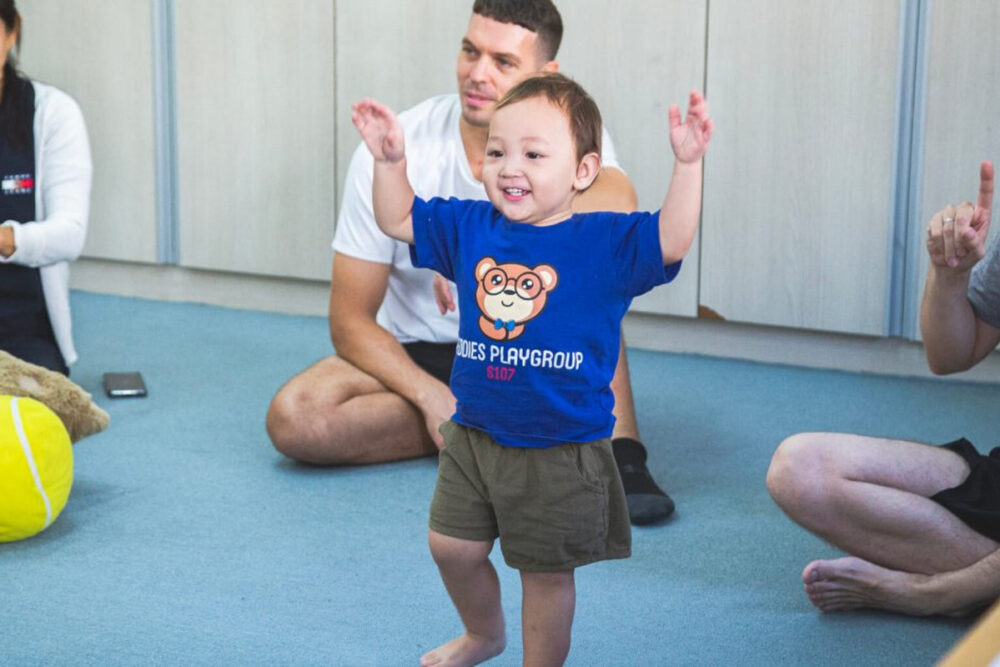
For younger children, simple and regular opportunities to play together can make a difference. Building with toys, playing a game or drawing together often feels more natural than expecting children to hold a conversation.
Keep early playdates small and manageable. Seeing the same child regularly can also help both children become more comfortable with each other.
When disagreements happen, give children a chance to explain their feelings before stepping in. Asking “What happened? How did that feel?” can help them recognise emotions and begin working through problems.
Older Children And Teenagers
Older children often form friendships around shared interests. Sports, music, art, volunteering and school clubs can bring together young people who enjoy similar activities.
Parents should offer encouragement without managing every aspect of their child’s social life. Teenagers, in particular, need opportunities to make their own choices and learn from their experiences.
Meanwhile, keeping home welcoming to friends can create opportunities for relationships to grow outside school. For children who have moved abroad, maintaining friendships with people in their previous home can also provide a valuable sense of continuity.
Practical Ways Parents Can Support Friendships
Parents do not need to organise every social interaction. Small, consistent steps can help children feel more confident about connecting with others.
Choose Regular Activities
One weekly activity can be more useful than constantly trying new clubs. Familiarity allows children to see the same people, discover shared interests and gradually feel more comfortable.
Give Friendships Time
A single playdate may not be enough for a friendship to develop. Where possible, arrange opportunities for children to spend time with the same peers again.
However, avoid treating every meeting as a test of whether a friendship is working. Relationships develop at different speeds.
Let Children Solve Small Problems
Disagreements are a normal part of friendship. Instead of immediately contacting another parent or resolving every issue, listen to your child and help them consider possible responses.
For example, you could ask what they think happened, how the other child might have felt and what they could try next time.
Of course, adults should intervene when a child faces bullying, exclusion or a situation that affects their safety.
Model Healthy Relationships
Children notice how adults treat their friends, handle disagreements and maintain relationships. Showing respect, listening carefully and apologising when necessary can help children understand what healthy friendships look like.
Focus On Connection Rather Than Popularity
A child does not need a large friendship group to feel socially secure. One close, dependable friendship can provide meaningful companionship and a sense of belonging.
Therefore, parents should avoid comparing their child with siblings or classmates who appear more outgoing. Quiet children can have fulfilling social lives, even if they prefer a smaller circle of friends.
Common Mistakes Parents Should Avoid
Wanting to help is natural, particularly when a child seems lonely. However, too much pressure can make friendship feel like another task they must complete successfully.
Avoid comparing your child’s social life with that of other children. Such comparisons may undermine confidence rather than encourage connection.
It is also important not to solve every disagreement on your child’s behalf. With appropriate guidance, working through small conflicts can help children develop empathy, communication skills and resilience.
Finally, resist measuring success by the number of invitations, classmates or friends your child has. The quality of those relationships matters more than the size of their social circle.
If your child consistently avoids school, withdraws from activities they once enjoyed or becomes increasingly anxious about friendships, speak with their teacher or school counsellor. These changes may indicate that additional support would help.
Helping Children Make Friends After Moving Abroad
Moving to another country can create new opportunities, but it can also disrupt children’s friendships and sense of belonging. Children may need to adjust to a different school, unfamiliar social expectations and classmates from varied cultural backgrounds.
Some become skilled at introducing themselves and adapting to new groups. Others may hesitate to form close relationships because they worry about having to say goodbye again.
Parents can acknowledge these feelings without rushing children to move on. Keeping in touch with old friends can help, while regular activities and familiar faces in the new community provide opportunities to build new connections.
Additionally, schools can make transitions easier by helping new pupils meet classmates, join activities and identify trusted adults. A welcoming environment gives children more chances to feel known and included.
How Schools Can Help Children Build Friendships
Schools play an important role in children’s social development because pupils spend so much time learning and interacting together.
Group projects, sports, creative activities and student-led clubs give children different ways to meet peers. These experiences can be especially helpful for pupils who find unstructured social situations difficult.
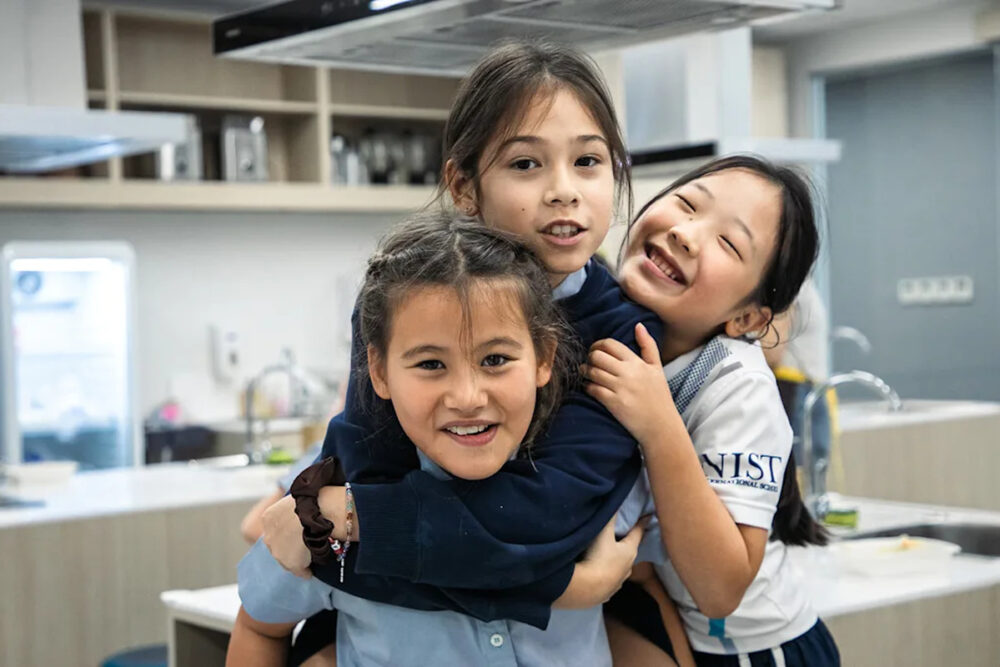
At NIST International School in Bangkok, social and emotional development forms part of the school’s wider approach to student wellbeing. Its diverse community provides opportunities for children to connect across languages and cultures.
The school also describes offering more than 300 extracurricular activities, including sports, arts, languages and student led clubs. Such opportunities can help pupils discover shared interests beyond the classroom.
Furthermore, access to counsellors and pastoral care teams gives students trusted adults to approach when friendship difficulties arise.
Parents can ask their child’s school how it supports new pupils, addresses social exclusion and helps children develop positive relationships. A school’s approach to these everyday experiences can shape how included students feel.
Helping Kids Make Friends Starts With Feeling Secure
Children build friendships in different ways and at different speeds. Some find a close friend early, while others need time to discover where they feel comfortable.
Parents can help by offering regular opportunities to connect, listening without rushing to intervene and encouraging children to work through manageable social challenges.
Schools also have a role in creating welcoming communities where pupils can meet others, explore shared interests and ask for help when needed.
Ultimately, helping kids make friends is not about controlling their social lives or ensuring they are liked by everyone. It is about giving them the confidence, support and opportunities to develop relationships that feel genuine and lasting.