A new school in Phnom Penh will bring Japanese approaches to independence, collaboration and learning together with an international curriculum, as families seek more education options.
Families in Cambodia will have another international schooling option when the Japanese International School Phnom Penh (JISPP) opens its new campus in August 2027. The school plans to combine Japanese educational practices with the International Baccalaureate (IB) framework, bringing together academic learning, independent thinking and everyday skills.
The development comes as demand for international education grows in Phnom Penh, where families increasingly value English-language learning and qualifications that can support their children’s future studies and careers.
Rather than focusing only on classroom learning, JISPP aims to give children opportunities to develop curiosity, independence and cooperation through their daily school experiences.
What Will Make JISPP Different?
The new campus is planned for Phnom Penh’s Meanchey district, close to AEON Mall Mean Chey. According to Wonderfy, the project will provide an integrated pathway from kindergarten through elementary and junior high school, with the campus scheduled to open in August 2027. A groundbreaking ceremony took place on 22 September 2026.
One distinctive feature is the plan to bring the international school and the Japanese School of Phnom Penh onto the same campus. The two schools will operate separately, but students are expected to have opportunities to participate in shared clubs and school events.
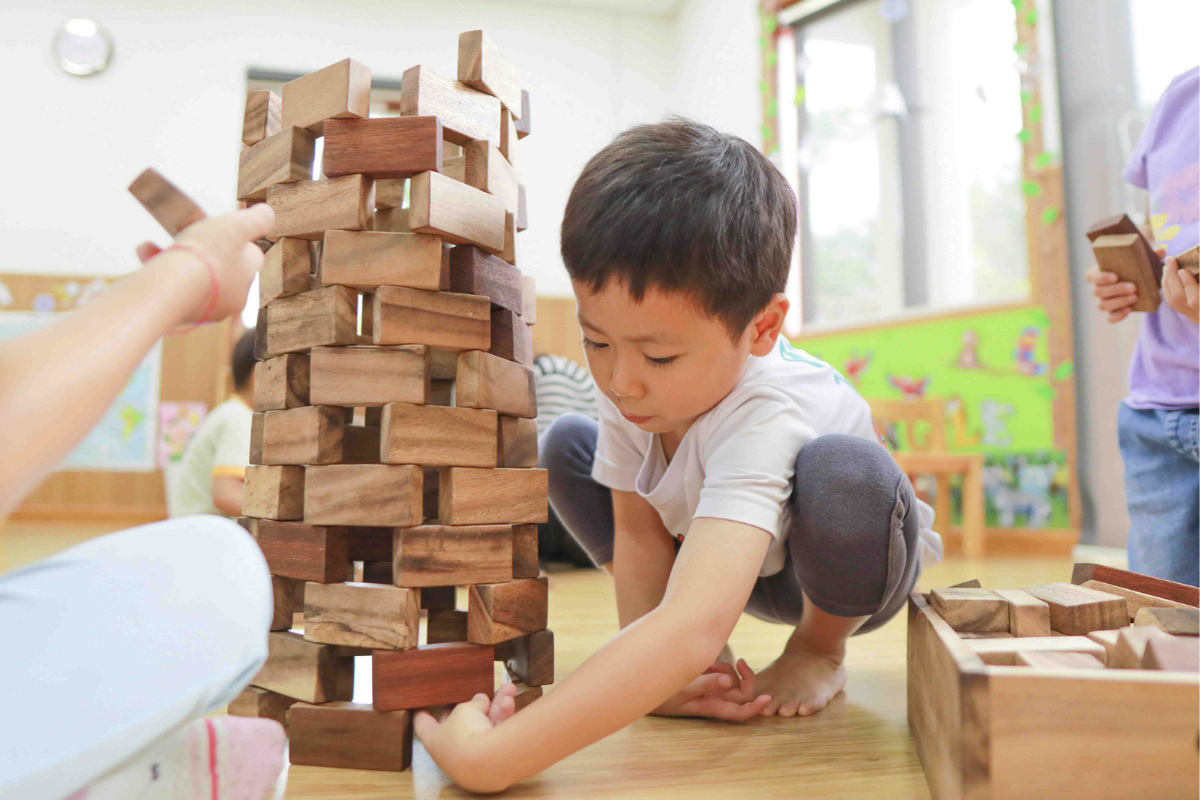
This could give children from different backgrounds opportunities to interact and learn from one another, while allowing the schools to maintain their respective educational programmes.
The project also reflects a broader interest in Japanese approaches to education, particularly the emphasis on developing responsibility, consideration for others and the ability to work as part of a group.
Learning Beyond Textbooks
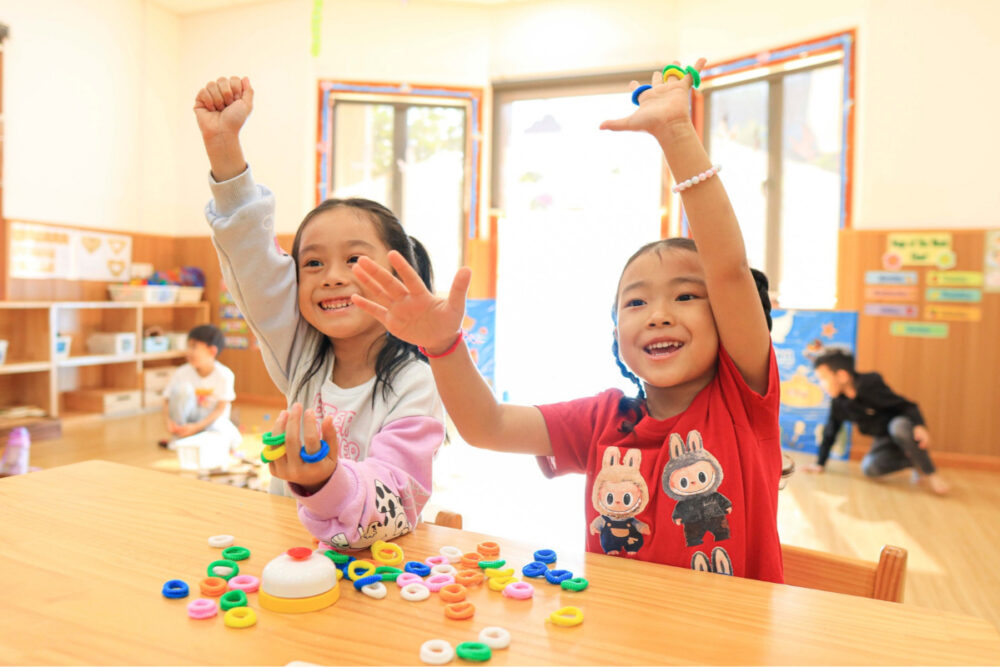
JISPP’s educational approach builds on its existing early years provision. The school describes its philosophy as student-centred, encouraging children to explore, play and learn independently rather than relying entirely on teacher-directed activities.
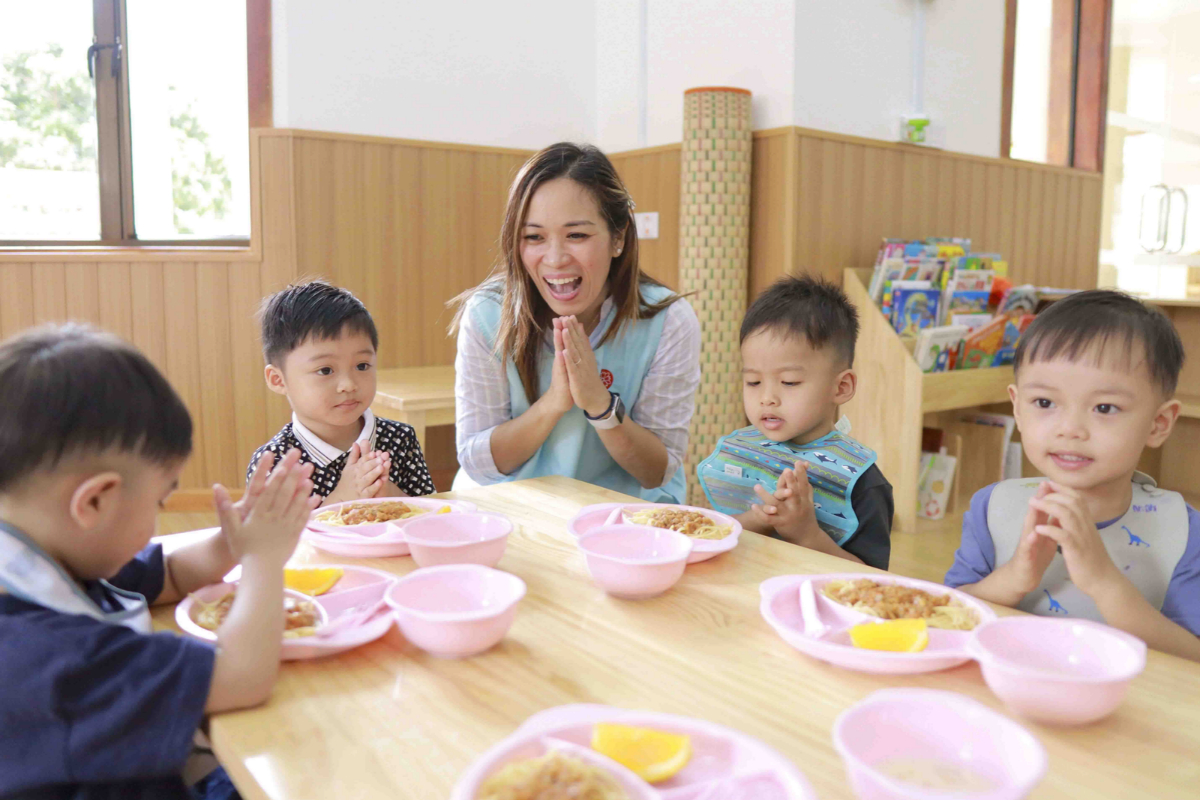
Its existing programme places importance on non-academic skills, including curiosity, creativity, social development and confidence. Children are encouraged to practise everyday routines such as eating independently, dressing themselves and looking after their surroundings. The school also highlights outdoor play as an important part of early learning.
These priorities are expected to inform the school’s wider educational approach as it develops its new campus.
The planned integration of Japanese educational practices with the IB framework is particularly relevant for families seeking a balance between personal development and international learning. IB-style inquiry encourages children to ask questions, investigate ideas and develop their own understanding, rather than simply memorising information.
The school will need to communicate how these approaches will be implemented across different age groups as its primary and junior high provision develops.
What Is Wonderfy’s Role?
Tokyo-based Wonderfy is participating in the management and development of JISPP. The company is known for creating educational products designed to encourage children’s curiosity and thinking skills.
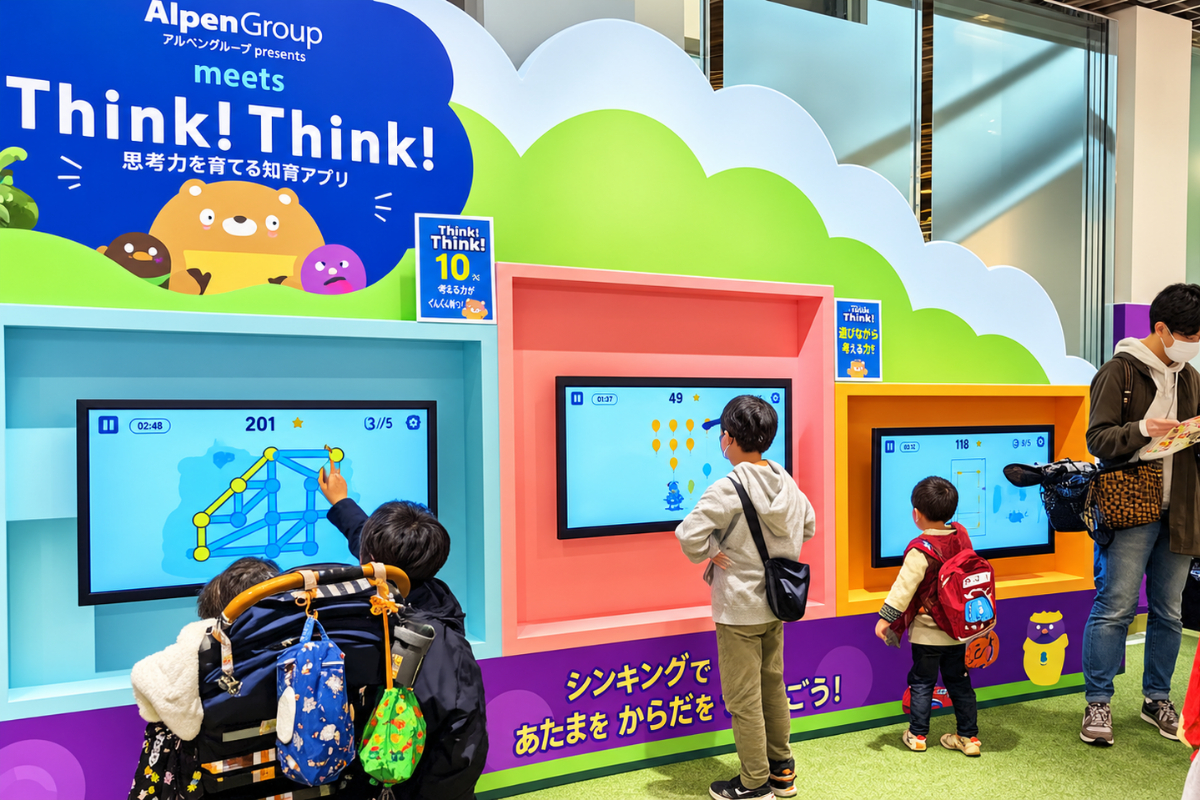
Its best-known product, Think!Think!, is an educational app that uses puzzles and problem-solving activities to develop mathematical thinking and spatial reasoning. Wonderfy also develops STEAM learning materials, educational books, videos and activities for children.
The company’s approach centres on making the process of thinking enjoyable, encouraging children to experiment, solve problems and learn through discovery. Its work in Cambodia predates the new campus project, including educational initiatives involving local schools and learning programmes.
In an article published by Wonderfy in October 2026, Moe Funamizu, who is involved in preparing the new school and serves as its IB curriculum coordinator, explained that the team wants to combine the independence and cooperation associated with Japanese education with the inquiry-based approach of the IB framework.
For families, the important question will be how these ideas translate into classroom experiences, teacher support and learning opportunities as children progress through school.
A Growing Market, but Affordability Remains a Challenge
The expansion of international schooling comes against a wider backdrop of educational inequality in Cambodia.
English-language education can offer advantages in a country whose economy relies heavily on foreign investment and tourism. However, access to international schools is often limited by tuition fees, leaving many families dependent on the public education system.
The original report on JISPP’s development put annual tuition at approximately US$10,000, compared with fees of up to US$30,000 at some of Phnom Penh’s most expensive international schools. These figures illustrate the range of costs facing families, although JISPP’s published fee structure and any additional charges should be checked directly with the school.
Cambodia’s education system also continues to contend with the long-term effects of the Khmer Rouge era, when teachers and other intellectuals were killed and educational institutions were devastated. Rebuilding educational capacity has been a continuing challenge.
The arrival of new schools and educational providers may widen the range of choices available to some families. However, the growth of international education also raises questions about how quality teaching, learning resources and opportunities can reach children beyond higher-income households.
What Parents Should Look For
For parents considering an international school, a curriculum’s name is only one part of the decision. It is also worth asking how children are taught, how teachers support different learning needs and how the school helps students develop socially as well as academically.
At JISPP, families will want further information about the curriculum across each year group, language of instruction, teacher qualifications, assessment methods and the school’s plans for progression into later secondary education.
Parents should also check the school’s accreditation status and which qualifications will be available as the new campus develops.
JISPP’s planned combination of Japanese educational practices and international learning offers an interesting addition to Cambodia’s changing school landscape. Its longer-term value will depend on how successfully it turns these principles into meaningful learning experiences for children and how well it meets the needs of the families it serves.