
Families across Asia have more early education options to consider as HEI Schools expands its Finnish-inspired preschool network. New and planned centres in India, Singapore, Myanmar, Vietnam, Indonesia, Thailand and Japan are bringing greater attention to play-based learning, child wellbeing and school readiness.
HEI Schools was founded in Helsinki in 2015 in collaboration with expertise from the University of Helsinki. Its approach places children’s social, emotional, cognitive and physical development alongside academic learning. However, families considering these preschools should look beyond the Finnish connection and examine each centre’s curriculum, fees, teaching approach and suitability for their child.
The expansion includes established schools, newly opened preschools and projects still in development. Here is what parents and educators need to know about the locations, educational approaches and plans.
How HEI Schools’ Finnish Curriculum Works
HEI Schools uses a child-centred approach that emphasises play, exploration, creativity and inquiry-based learning. Rather than focusing only on early academic instruction, the model aims to develop communication, independence, confidence and social skills.
Its curriculum draws on Finnish early childhood education research and is adapted to local requirements. For example, the planned campus in Thai Nguyen, Vietnam, will combine the HEI Schools curriculum with Vietnamese educational requirements in a bilingual learning environment.
This local adaptation matters for families. An international educational approach needs to fit the language, culture and school-entry expectations of the country where a child lives.
The schools also place importance on the learning environment. Nordic-inspired design, child-friendly spaces and opportunities for indoor and outdoor play feature in several projects.
India – Finnish-Inspired Preschool Opens in Hyderabad
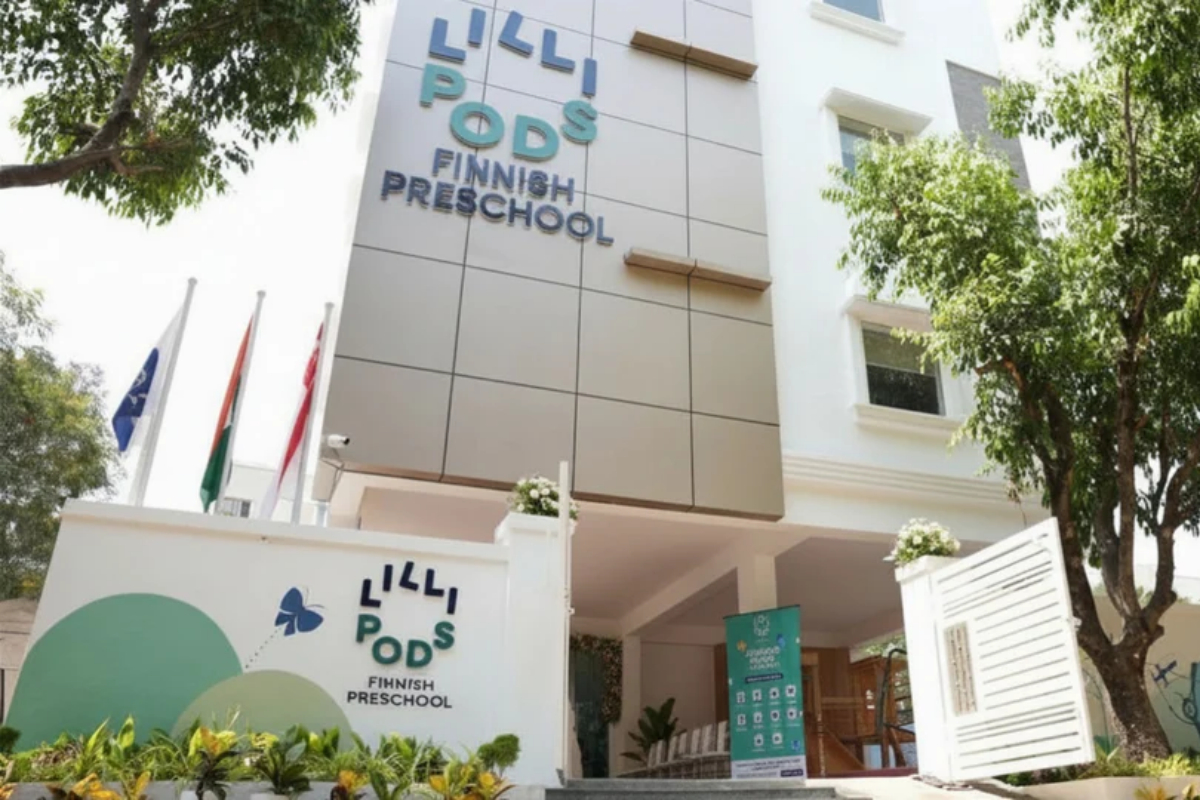
Lillipods Nallagandla opened in May 2026 in Nallagandla, Hyderabad, marking the Lillipods brand’s first preschool in India.
The centre serves children aged two to six and combines Finnish-inspired, play-based learning with Indian cultural values. Education entrepreneur Sachin Gattu operates the preschool, working with HEI Schools and its Indian master licensee, Ritesh Handa.
Its learning spaces use natural materials, calming interiors and child-focused design. The approach aims to nurture curiosity, creativity and emotional wellbeing while supporting children’s academic and social development.
For parents, the emphasis on learning through meaningful experiences offers an alternative to preschool environments that place considerable pressure on early academic performance.
HEI Schools has also announced expansion plans in India. A kindergarten in Gurugram was announced in May 2024, with a planned capacity of approximately 120 children and an intended opening in August 2024. The project was designed to follow the HEI Schools curriculum while aligning with India’s National Education Policy 2020.
An earlier partnership announcement also identified Bengaluru as a location for a HEI Schools kindergarten. However, the available announcements do not establish the current operating status of every Indian project.
Parents should therefore confirm the status, age groups, admissions arrangements and curriculum at their preferred centre before applying.
Singapore – HEI Schools Singapore Bishan
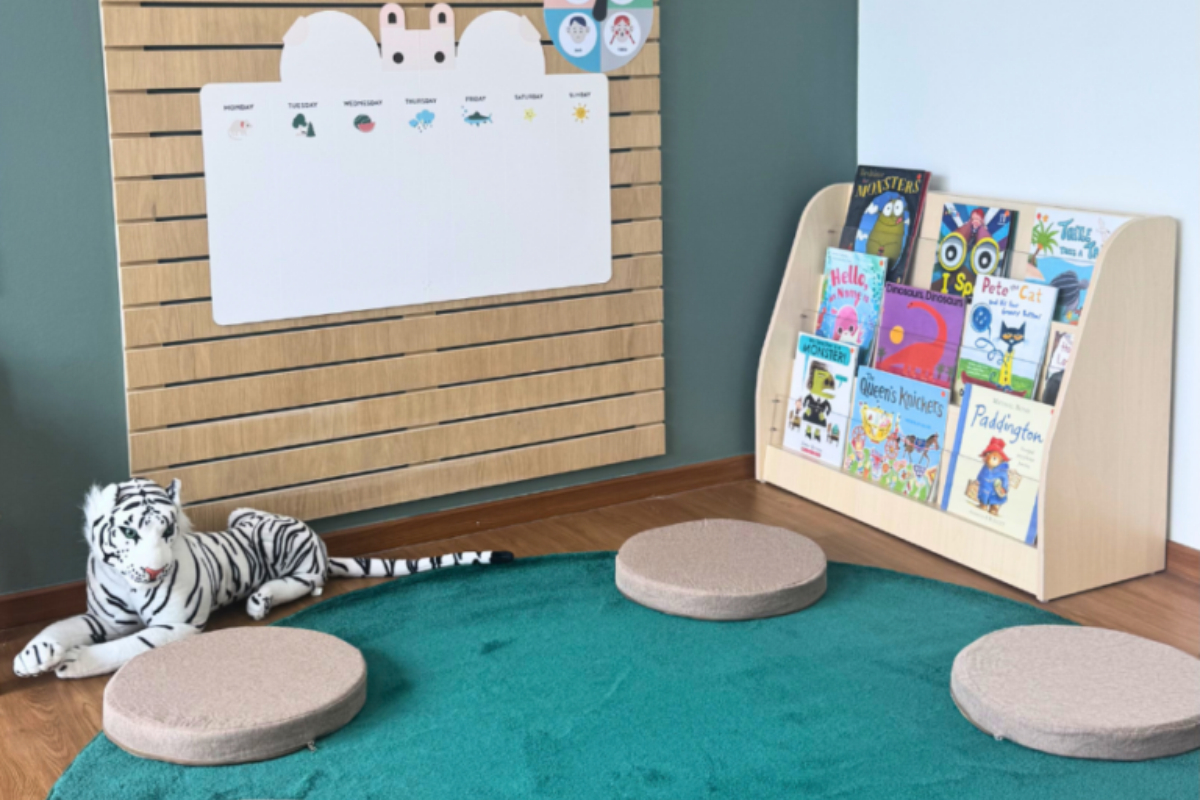
HEI Schools announced its Singapore Bishan preschool in January 2026. The centre was established by Jayne Nadarajoo, an educator associated with White Lodge Preschools, Avondale Grammar School and Melbourne International School.
Its educational approach emphasises emotional wellbeing, psychological safety, inclusive classrooms and experiential learning. These priorities are particularly relevant to families looking for an early years setting that supports social and emotional development alongside preparation for primary school.
The school’s stated approach also draws on experience in neurodiversity education. Children with different abilities are intended to learn alongside their peers in an inclusive environment.
In addition, the announcement outlined access to early childhood and neurodiversity teaching diploma training for early childhood teachers as part of the school’s social impact commitment.
Parents considering the preschool should ask how inclusion is implemented in everyday classroom practice, what support is available for children with additional needs and how the programme prepares pupils for different primary school systems.
The January announcement does not provide a verified fee schedule or a confirmed opening date for families to use when planning enrolment.
Myanmar – HEI Schools Yangon
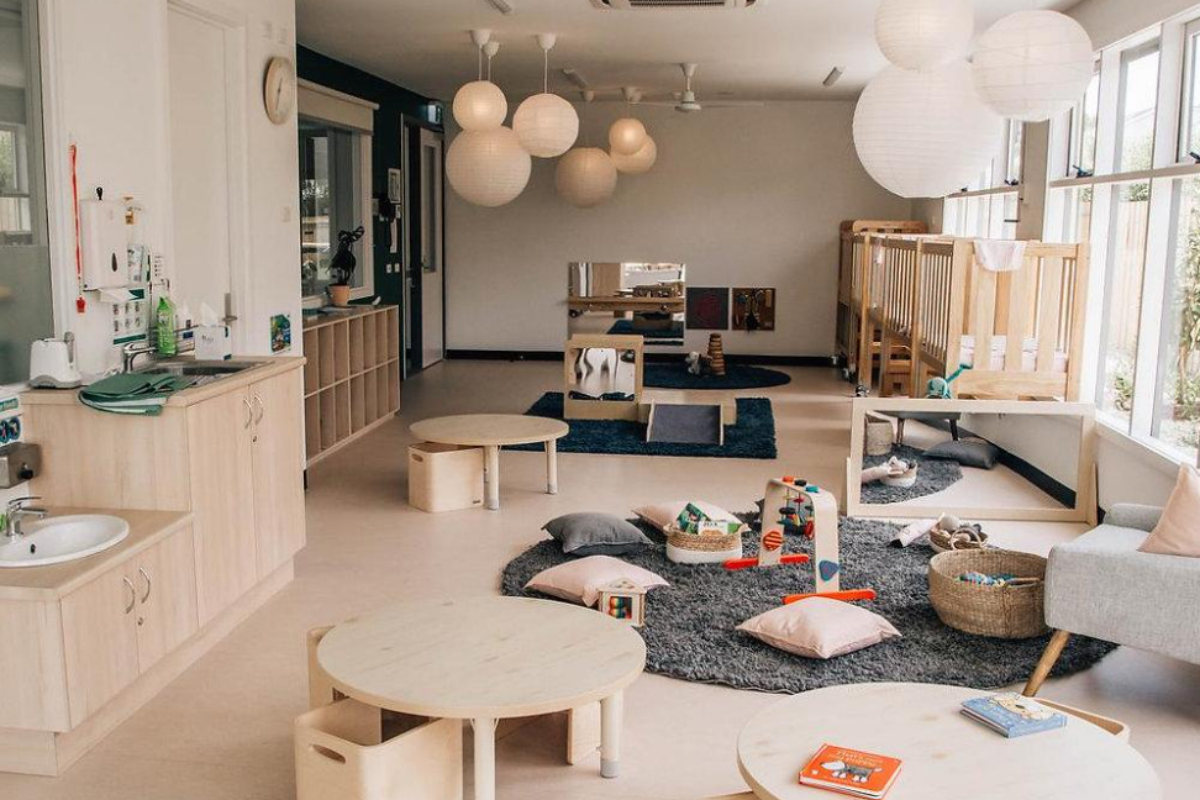
HEI Schools Yangon was announced in April 2026 as the brand’s first preschool in Myanmar. Located on Moe Kaung Road in the Yankin township of Yangon, the centre is designed for children aged 18 months to six years.
The announcement set a June 2026 opening target and a planned capacity of up to 100 children. The school is operated by Sideducation Ltd., whose founders have experience running an English learning centre.
Its educational model focuses on play, exploration, individual development and meaningful interactions. The school also highlights small-group learning and strong teacher-to-child ratios as features of the HEI Schools approach.
For families, this focus could be relevant when comparing early years settings. Smaller groups and responsive teaching can help educators understand children’s individual interests and developmental needs, although parents should ask about the actual class sizes and staffing arrangements at the centre.
The school’s planned capacity should not be confused with the number of children in each classroom. Families should request current information about enrolment, daily schedules, languages of instruction and fees.
Vietnam – A Major New Campus Planned for Thai Nguyen
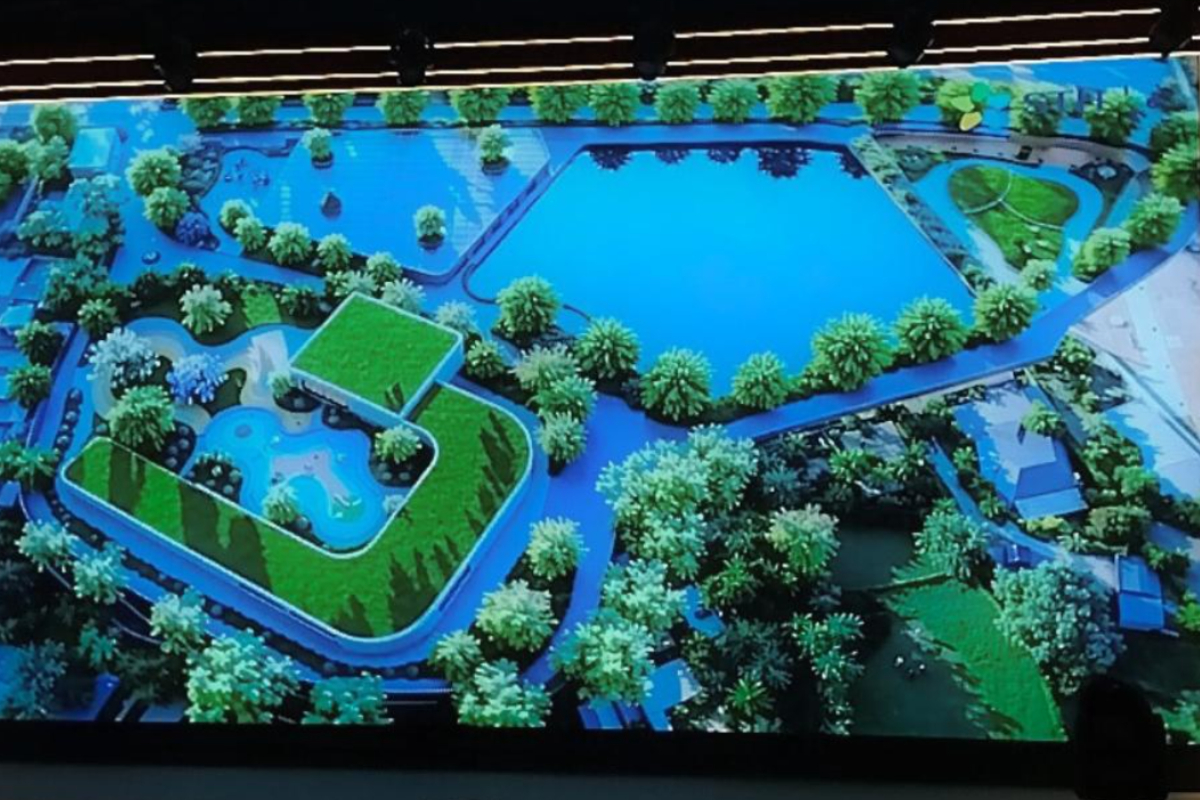
HEI Schools announced a partnership with STH Holdings in February 2026 to develop a preschool in Thai Nguyen province in northern Vietnam.
Scheduled to open in July 2027, the planned campus is designed to accommodate up to 500 children aged one to six. HEI Schools describes it as its largest campus in Southeast Asia.
The school will use a play-based, child-centred curriculum developed with expertise from the University of Helsinki. Its programme is intended to support social, emotional, cognitive and physical development through exploration and inquiry-based learning.
The campus is also planned to provide bilingual education, combining Vietnamese educational requirements with international practices. Teachers are expected to receive training and continuing pedagogical support from the HEI Schools team.
The project builds on STH Holdings’ involvement in Sigma International Bilingual School in Thai Nguyen, which opened in January 2026.
For families in northern Vietnam, the proposed campus could offer another option for early childhood education. However, the July 2027 date remains a planned opening, rather than confirmation that admissions and classes have begun.
Parents should follow updates on registration, language provision, tuition fees and the facilities available when the campus opens.
Indonesia – Established HEI Schools and Lillipods Centres
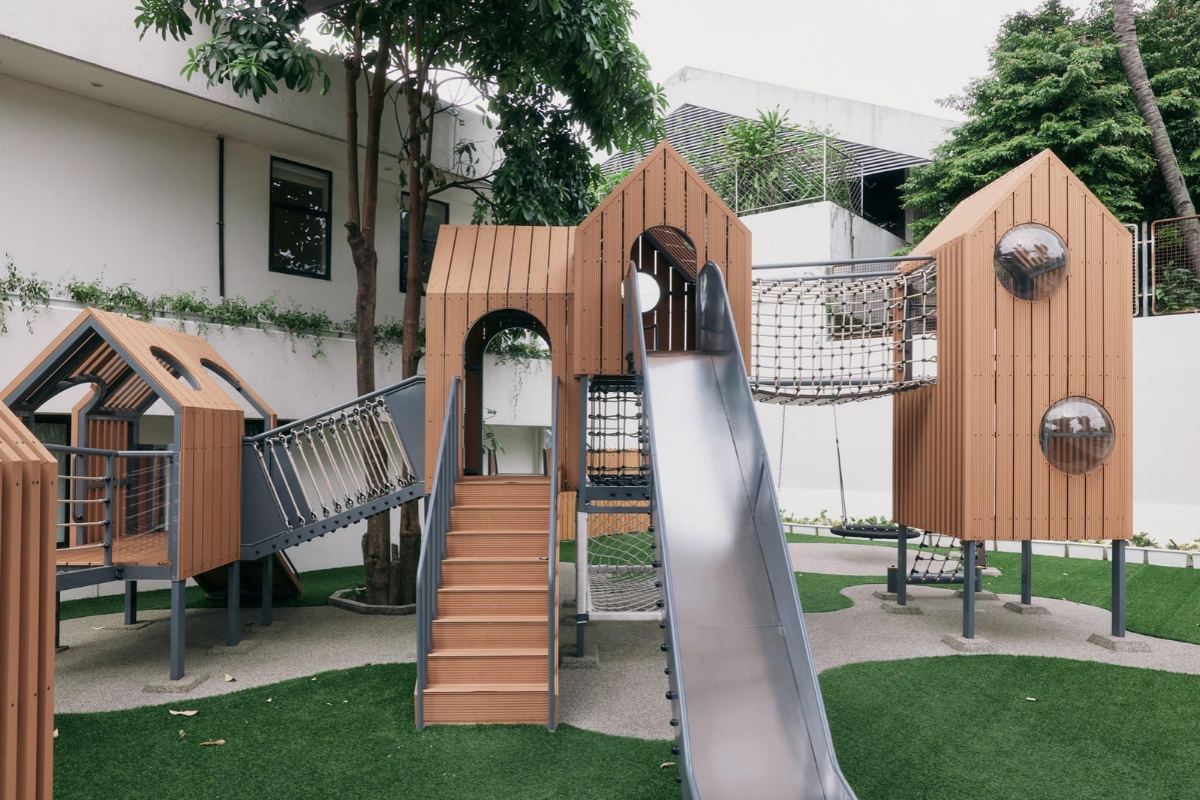
Indonesia is among the markets where HEI Schools has already established a presence.
HEI Schools Senayan in Jakarta has operated since 2020. The organisation subsequently expanded its Indonesian network, including HEI Schools SPM Menteng and Lillipods BSD Icon in the Greater Jakarta area.
Lillipods BSD Icon, located in BSD City, Tangerang, officially began operations in 2025. Its programme combines a locally adapted Finnish-inspired curriculum with an emphasis on holistic development and school readiness.
The Lillipods model also offers a flexible approach to preschool provision, including full-day learning and care options. Its wider concept is designed to support local school operators through curriculum resources, teacher training and operational guidance.
In October 2025, HEI Schools announced the establishment of HEI Indonesia under master licensee PT Kreasi Karya Kasih. The local organisation supports curriculum delivery, teacher development and the establishment of additional centres.
For parents, the key consideration is how each centre translates the overall educational philosophy into its daily programme. Families should compare care hours, meal arrangements, language provision, teacher qualifications and the balance between structured activities and free play.
Thailand – Lillipods St Catherine and Mae Sot
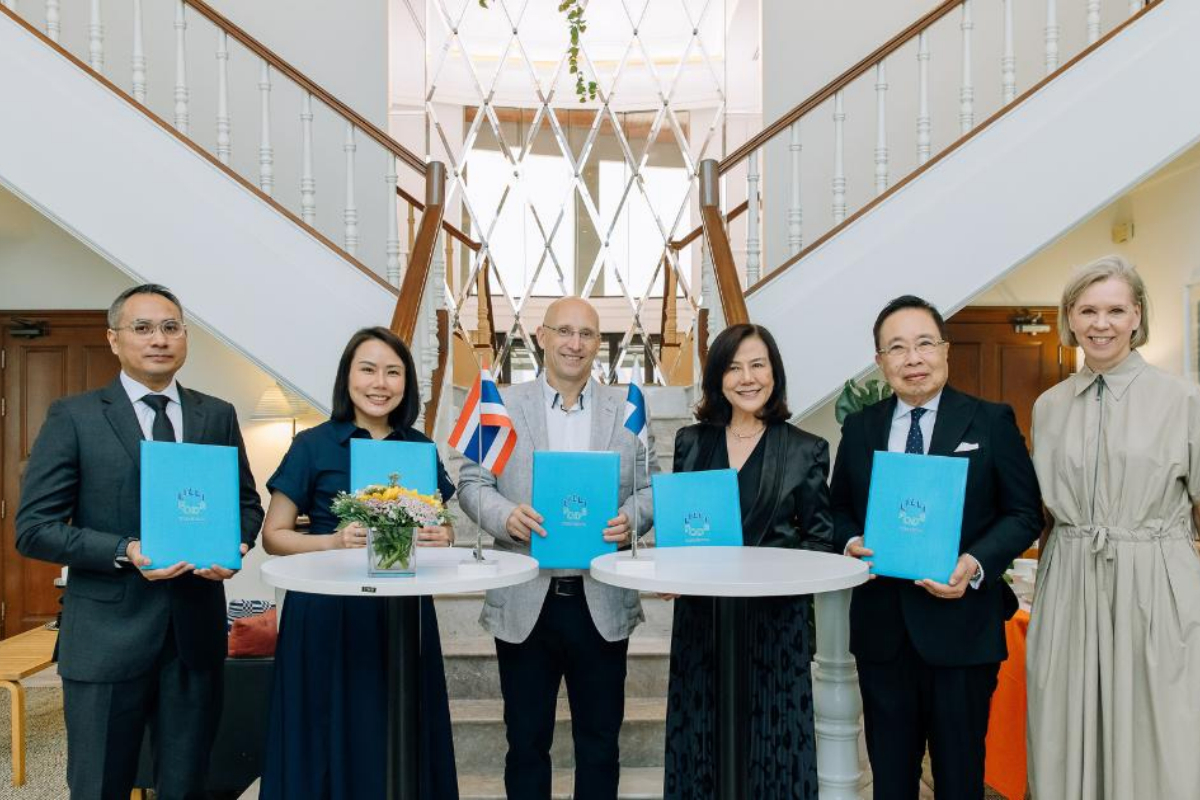
HEI Schools is also developing its presence in Thailand through its Lillipods preschool concept.
Lillipods St Catherine in Pathum Thani was announced in April 2026, with a target to welcome its first pupils in May 2026. The project is led by Panasorn Namtien, who owns St Catherine Kindergarten.
The partnership builds on an existing family history in early childhood education. Its approach aims to combine hands-on, play-based learning with a focus on curiosity, confidence and holistic development.
Meanwhile, Lillipods Mae Sot was announced in February 2026. The planned centre is being developed on a two-hectare site, with an initial capacity of up to 120 children and scope to expand to 180.
The project announcement set a target opening date of June 2027.
These projects demonstrate how the Lillipods model is being adapted for different local communities. However, parents should confirm whether each centre has opened, as well as its age range, programme structure and current admissions arrangements.
Japan – HEI Schools Nagoya Sakae
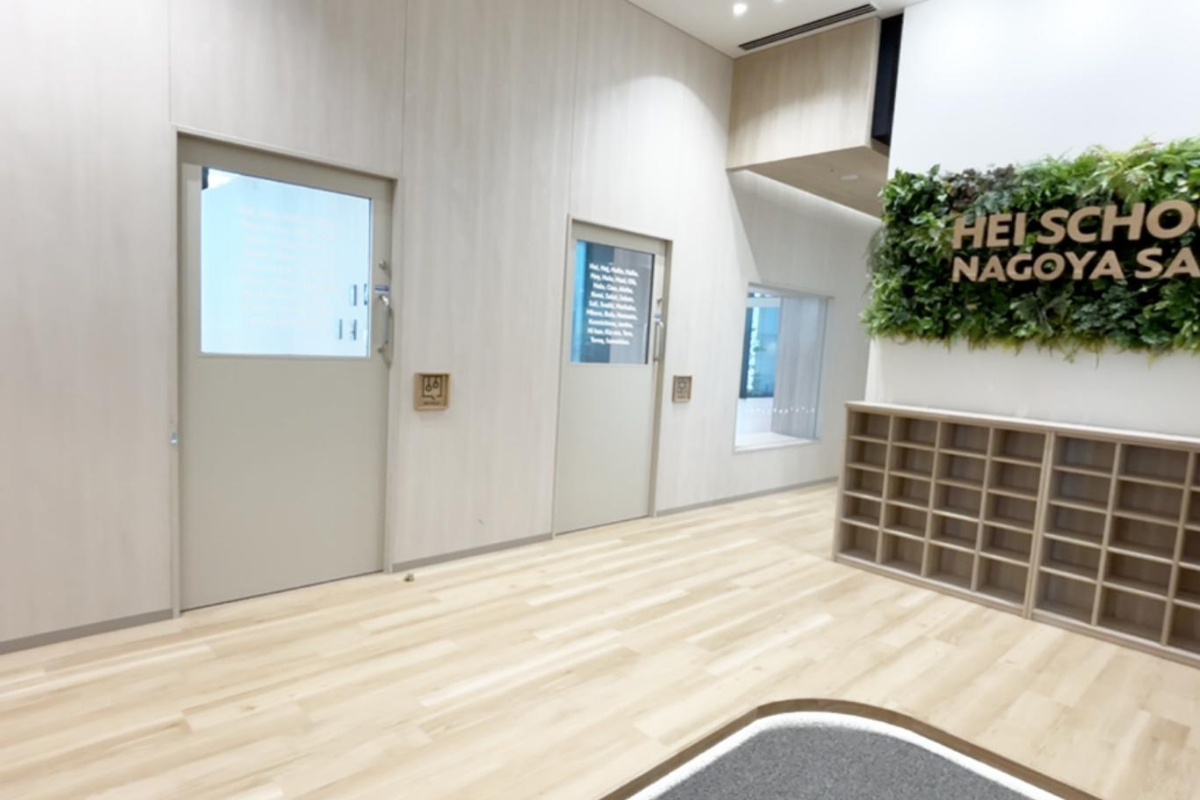
HEI Schools has also announced plans to bring its branded nursery model to Japan.
The company’s announcement identified HEI Schools Nagoya Sakae, developed with licensee Chubu Electric, as its first branded nursery in the country. It was scheduled to open in April 2026.
The project adds Japan to the organisation’s growing Asian network. However, the opening announcement alone does not establish the centre’s current operating status or provide verified information about fees, age groups and admissions.
Families interested in the Nagoya centre should contact the school directly for updated details on its programme and enrolment.
What Parents Should Know About Fees and Admissions
A Finnish-inspired curriculum does not automatically mean that all centres have the same tuition fees, daily schedule or admissions policy.
HEI Schools works with local operators, and each location may have different operating arrangements. Furthermore, fees can depend on a child’s age, attendance hours, meals, transport and additional care services.
The public announcements reviewed for this article do not provide a consistent, verified fee schedule for the Asian centres covered. Parents should request a full breakdown directly from each school rather than rely on estimated costs.
Before enrolling, families should ask,
- What is the total tuition fee, and are registration or other charges payable separately?
- Which age groups can enrol, and what are the school’s opening hours?
- What languages do teachers use in the classroom?
- How does the school assess children’s progress and communicate with parents?
- What are the class sizes and teacher-to-child ratios?
- How does the curriculum prepare children for local or international primary schools?
- What support is available for children with additional learning or developmental needs?
These questions can help parents determine whether a school’s approach fits their child and family circumstances.
Why the Growth of Finnish Early Education Matters
HEI Schools’ expansion across Asia reflects growing interest in early childhood programmes that combine learning with play, wellbeing and social development.
For parents, the value of this approach lies in the everyday experience it offers children, not simply its country of origin. A suitable preschool should provide a safe environment, responsive teachers, meaningful activities and clear communication with families.
For educators and school leaders, the network also illustrates how an international curriculum can be adapted to local education systems through teacher training and local partnerships.
However, a brand’s educational philosophy is only one part of the decision. Families should examine each centre’s leadership, teaching quality, safeguarding practices, facilities and costs before choosing a preschool.
As more Finnish-inspired centres open across Asia, clear information about fees, admissions and classroom practice will help parents make informed decisions.