The Perse School Singapore has received the full four-year EduTrust certification after around 16 months of operation, giving families an independent assessment of the school’s educational provision and student support.
Located in Upper Bukit Timah, the British international school announced the award on 4 August 2026. The certification recognises strengths in student support, learning provision, innovation and continual improvement.
For parents considering a relatively new international school, external assessments can offer useful insight into the systems supporting children beyond academic lessons. The assessment of The Perse School Singapore highlighted several areas families may wish to explore when choosing a school.
What The Four-Year EduTrust Certification Recognises
EduTrust is Singapore’s quality certification scheme for private education institutions. The assessment of The Perse School Singapore identified three main areas of strength.
These included the range of activities available to students, the systems supporting learning and wellbeing, and the school’s approach to innovation and ongoing improvement. Anip Sharma and Johan Stromsater, Co-Founders and Co-CEOs said,
“Achieving the full four-year EduTrust Certification after just 16 months of operation is a remarkable milestone for The Perse School (Singapore).”
For families, the award provides an external point of reference when assessing a school that has operated for a relatively short time. However, parents should consider it alongside their own priorities, including curriculum, teaching, pastoral care and the needs of their child.
Student Support And Enrichment Beyond The Classroom
The assessors highlighted what they described as a “diverse and impressive range of value-added activities” for the school’s multinational student body.
These include partnerships with Barça Academy and Crickingdom, a student-led Green Team and entrepreneurship projects such as the Bullpen Challenge.
Students also take part in industry sessions led by parents and activities that allow them to sell products they have created.
Such opportunities can help children explore interests beyond academic subjects. For example, entrepreneurship projects can give students practical experience of developing ideas, presenting products and engaging with others.
Meanwhile, sports partnerships and environmental activities offer additional ways for pupils to develop skills and participate in school life.
How The Perse School Singapore Supports Learning
The assessment also highlighted the school’s English as an Additional Language and Learning Support teams.
Other areas included individual education and behaviour plans, the Senior School pastoral system and regular tracking of each pupil’s effort, attainment and behaviour.
These systems are relevant to parents because children may need different types of support as they progress through school. Pupils who are learning English, for instance, may benefit from targeted language support alongside their regular lessons.
Similarly, individual education plans and regular progress monitoring can help staff identify areas where a pupil may need additional guidance.
For parents visiting the school, it may be useful to ask how these systems work in practice, how teachers communicate progress and how support is adapted as children’s needs change.
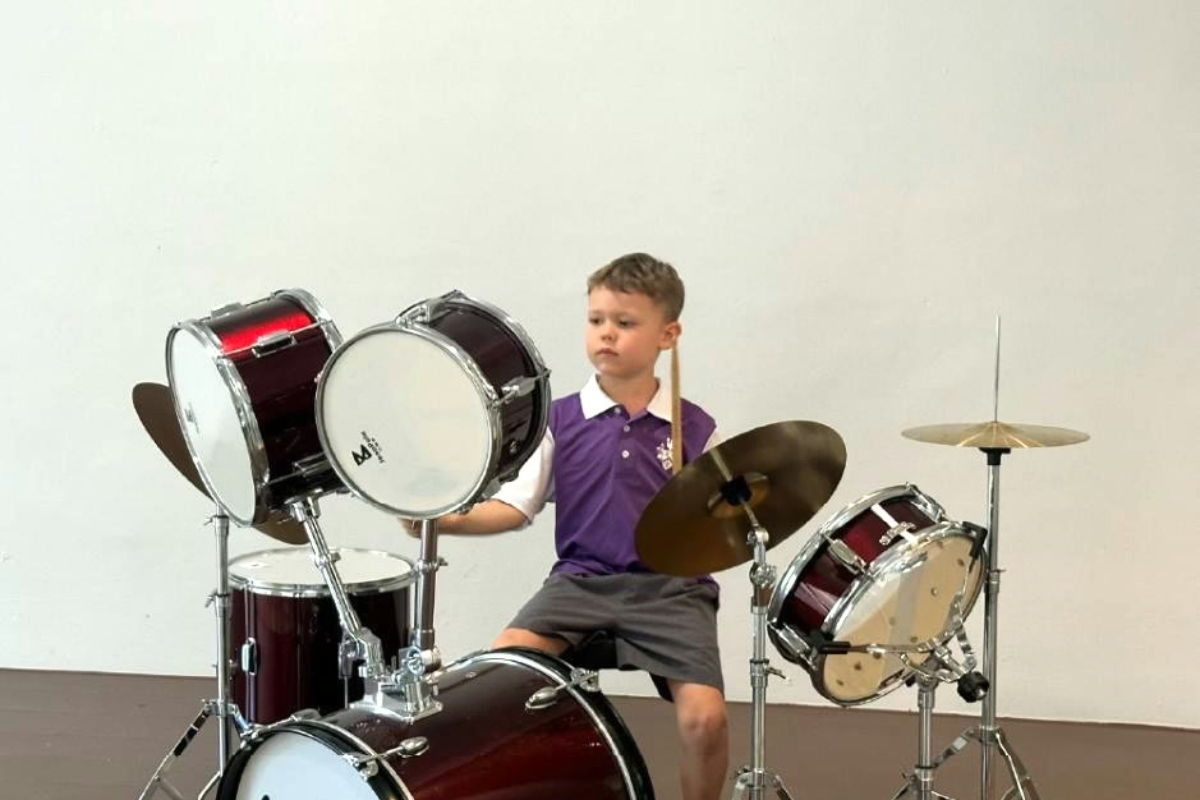 Music activities give children opportunities to develop creativity, coordination and confidence
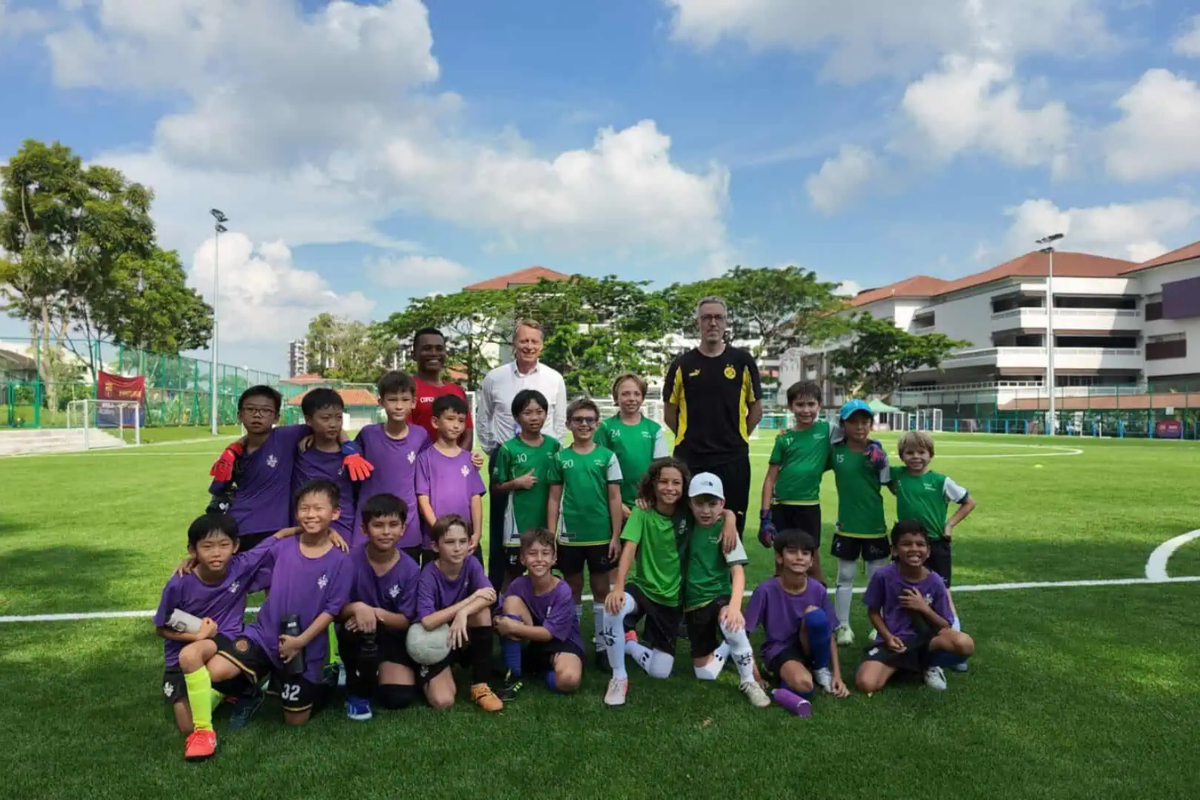 Sporting activities at The Perse School Singapore form part of the wider student experience beyond the classroom
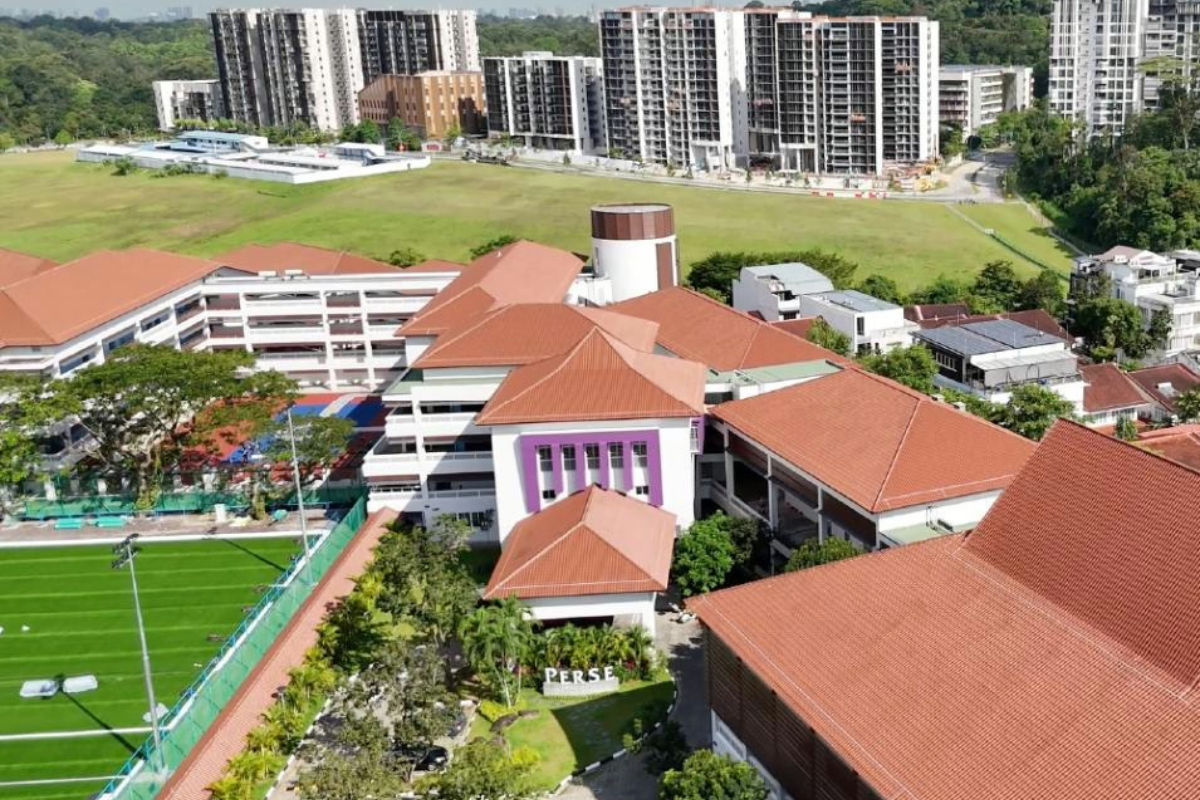 The Perse School Singapore in Upper Bukit Timah offers a British curriculum for children from Nursery to Year 11
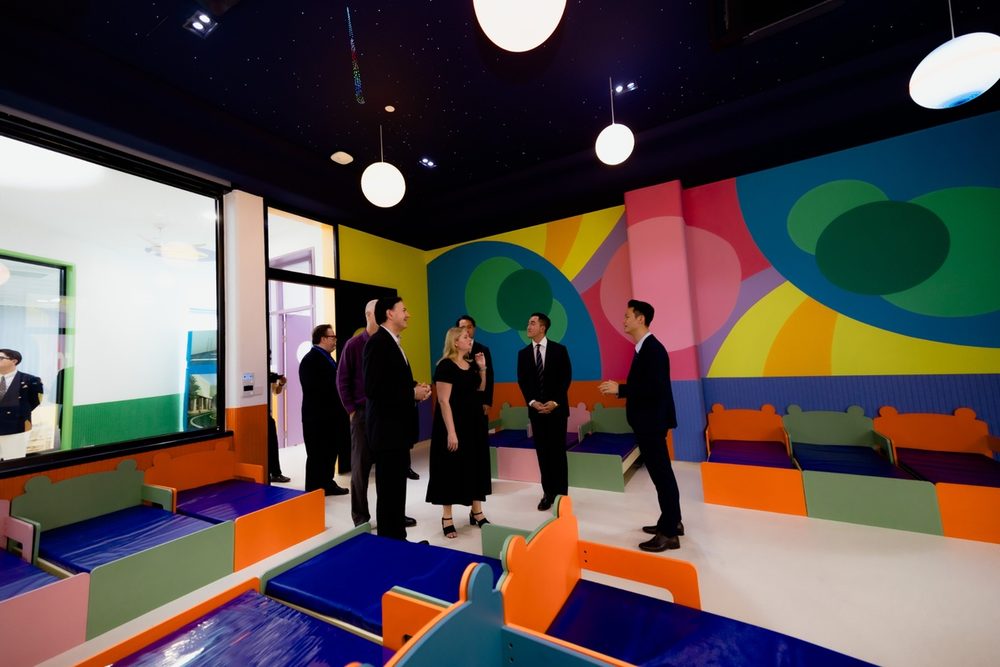
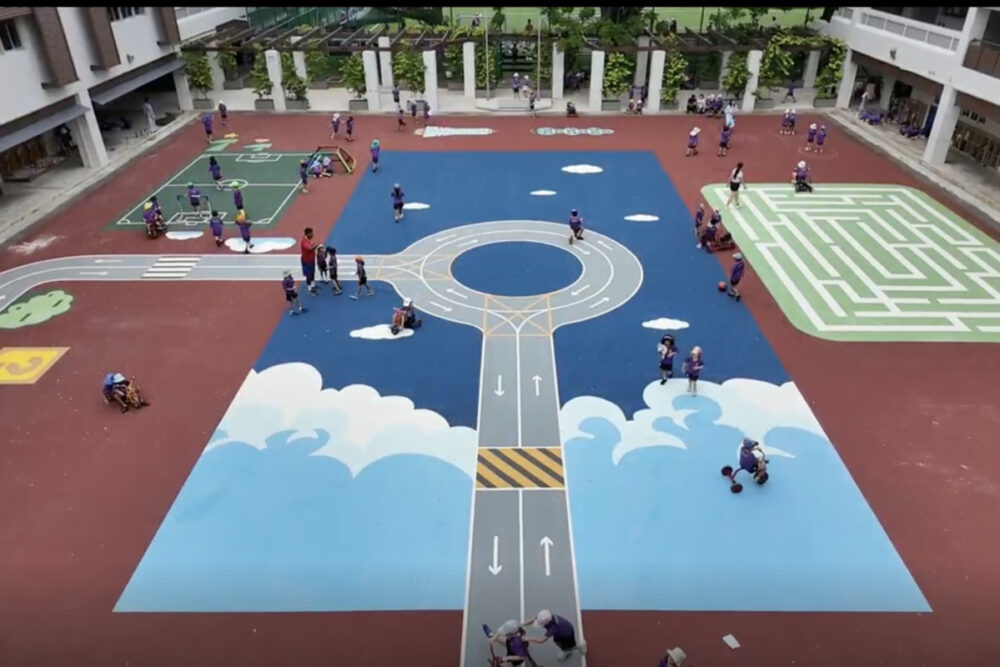
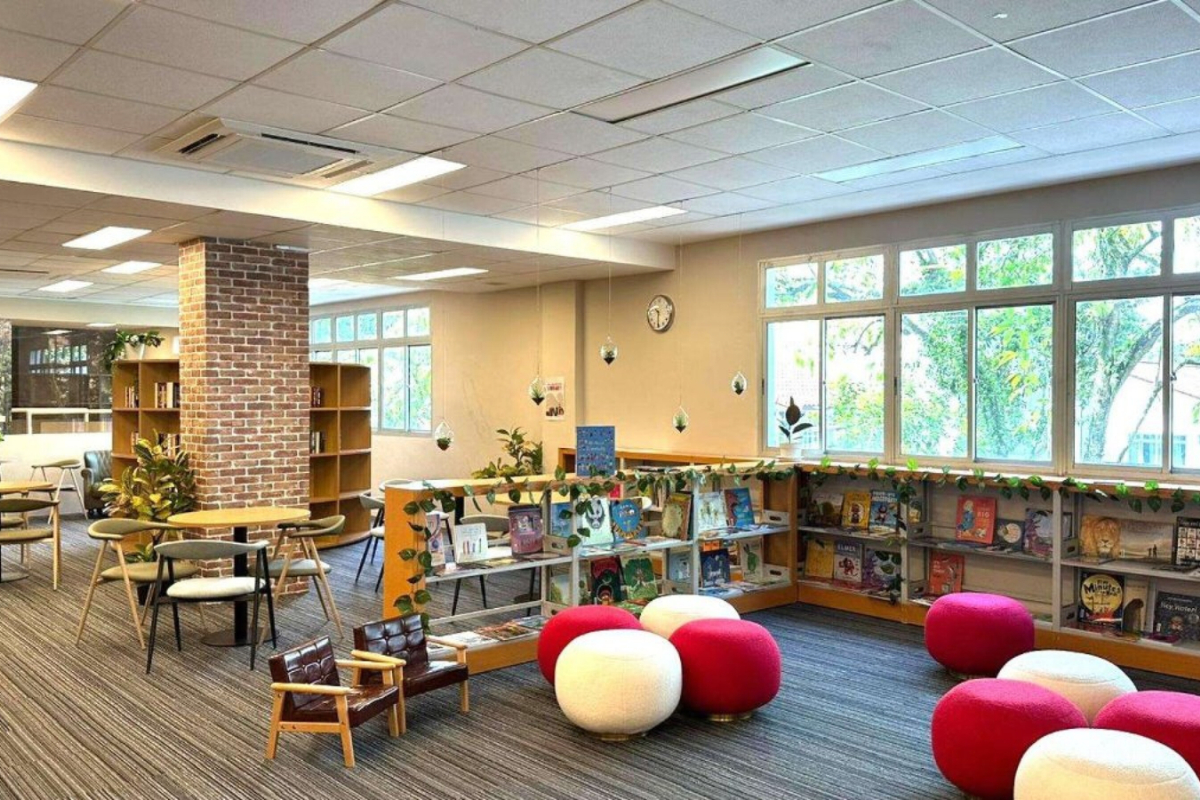 An interior learning space at The Perse School Singapore supports pupils’ everyday school experience
Innovation, Technology And Sustainability On Campus
The assessors also recognised the school’s approach to innovation and continual improvement.
Examples included coding and robotics from Year 1, a Culinary Lab, solar panels and hybrid cooling on campus, and the use of technology in Early Years classrooms.
The school also uses digital platforms to keep parents informed.
These features offer several points of interest for families. Coding and robotics can introduce children to computational thinking and problem-solving, while practical learning spaces provide opportunities to explore skills through activities.
Additionally, the school’s sustainability features may help families understand how environmental considerations are reflected in the campus itself.
However, facilities and technology are only part of the picture. Parents may also wish to ask how these resources are incorporated into lessons and how teachers assess their contribution to children’s learning.
What Families Should Know About The Perse School Singapore
The Perse School Singapore is a British international school for children aged 3 to 18, located on Chestnut Drive in Upper Bukit Timah. It opened in 2025 and operates in partnership with The Perse School in Cambridge, England, which was founded in 1615.
The school follows a British curriculum, from its Pelicans Early Years section through the Junior School and into the Senior School, leading to IGCSE qualifications.
At the time of the announcement, the school taught pupils from Nursery to Year 11. It planned to introduce Years 12 and 13, with an A Level programme, in 2027.
For families planning their children’s education over several years, this proposed expansion is worth discussing directly with the school. Parents can ask about the planned sixth-form provision, subject options and arrangements for students progressing into the final years of secondary education.
Using The Certification When Choosing A School
For families comparing international schools in Singapore, the EduTrust award offers an additional source of information about The Perse School Singapore’s provision.
The assessment identified student support, enrichment opportunities and ongoing improvement as strengths. Nevertheless, the right school for each child will depend on individual learning needs, interests, family circumstances and longer-term educational plans.
Parents can use the findings to guide questions during a school visit. They may wish to explore how teachers support different learners, what enrichment activities students can access and how the school shares progress with families.
Families comparing options can also consult the best international schools in Singapore guide as part of their research.
Ultimately, an external certification can be a useful starting point. Visiting the campus, speaking with school staff and understanding how the school supports individual pupils can help parents decide whether it is the right fit for their child.