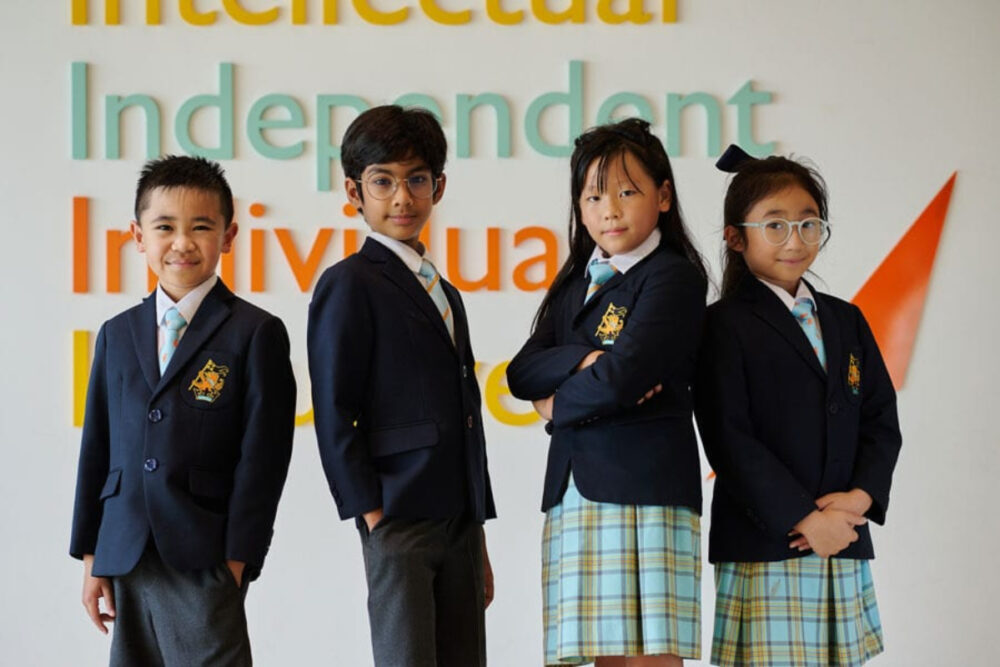
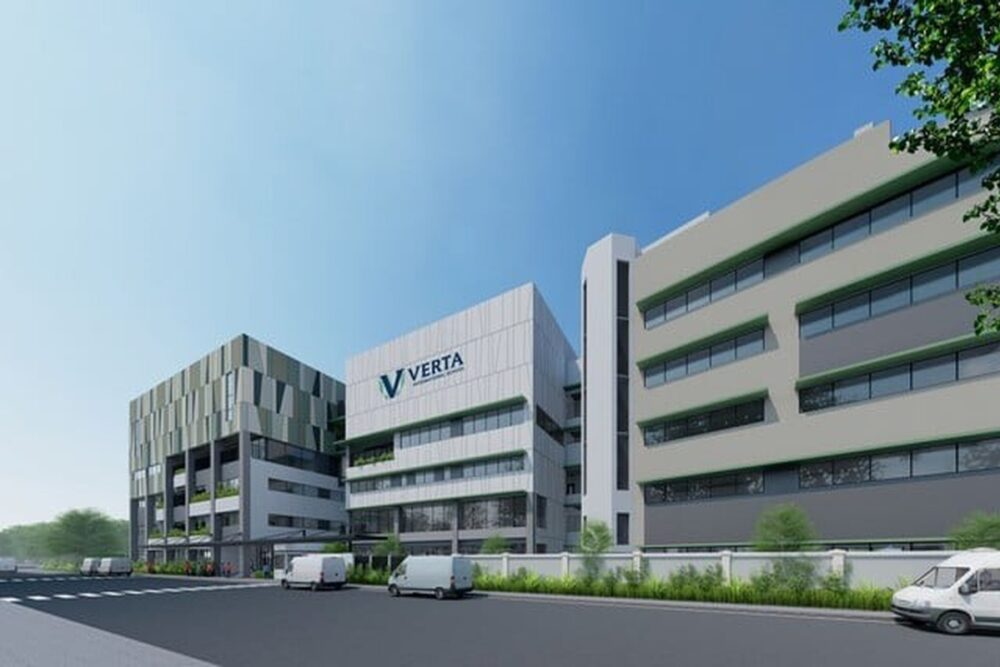
Vingroup is expanding its education portfolio with VERTA International School, a new English-medium school planned to open in Hanoi in August 2027. The school will follow a US-oriented curriculum, with artificial intelligence, advanced computing and applied learning forming part of its educational approach.
For families in Vietnam, VERTA will offer another option in Hanoi’s international education market. Its proposed curriculum combines traditional academic subjects with opportunities to explore technology, engineering and other specialist fields.
The school is expected to welcome around 400 students in its first intake, covering Grades 1 to 11. Vingroup plans for the campus to accommodate between 800 and 1,000 students at full capacity. Admissions opened in October 2026.
What VERTA International School Plans To Teach
VERTA will teach in English and follow a US-oriented curriculum. Students will study mathematics, science, languages, literature, history, social sciences and the arts.
As students progress, the school plans to offer specialist options in artificial intelligence, advanced computing, engineering, biomedical sciences and entrepreneurship. Advanced Placement (AP) courses are also planned for older students.
This approach combines a broad academic foundation with opportunities to pursue individual interests. Students will not necessarily study every specialist subject. Instead, the school intends to provide options for those who want to develop deeper knowledge in particular areas.
For parents, the balance between core subjects and specialist pathways will be worth watching. A strong understanding of mathematics, science, languages and the humanities remains important when students assess information, explain ideas and solve unfamiliar problems.
How VERTA Approaches AI And Applied Learning
VERTA’s educational philosophy is summarised as “Learn. Make. Matter.” The model aims to move students from understanding knowledge to applying it, then considering the value and impact of what they create.
The school intends to incorporate AI and technology into the wider learning experience rather than limit them to isolated lessons. Students are expected to use knowledge to investigate questions, develop ideas, test solutions and improve their work.
This distinction matters as AI tools become more capable of producing essays, code and other outputs. Students still need to understand the subject matter, assess the accuracy of information and explain their own reasoning.
VERTA’s stated approach places emphasis on independent thinking and responsible technology use. However, the school’s effectiveness will depend on how these principles translate into classroom teaching, assessment and everyday student work.
Why Academic Foundations Still Matter
Although AI and specialist technology feature prominently in VERTA’s plans, the proposed curriculum also places considerable emphasis on established academic subjects.
Students need sufficient subject knowledge to judge whether an AI-generated answer is accurate. Scientific understanding helps them evaluate evidence, while strong reading and writing skills support clear reasoning and communication.
Furthermore, students benefit from studying subjects beyond science and technology. History, literature, the arts and social sciences can help them understand different perspectives and examine complex questions.
VERTA plans to give students a broad foundation before allowing them to pursue more specialised interests as they progress through school. This could offer flexibility for students whose interests develop over time.
Parents will want to understand how the school intends to assess independent understanding, particularly when students use AI tools to support assignments and projects.
A New Addition To Vingroup’s Education Portfolio
VERTA joins an education portfolio that includes Vinschool, VinUniversity, Vin Nexus Center and Brighton College Vietnam. The new school will add a US-oriented international option to the group’s existing activities.
The campus is planned for 148 Giang Vo Street in Hanoi. Vingroup has announced a target capacity of 800 to 1,000 students, with the founding cohort expected to include approximately 400 pupils across Grades 1 to 11.
The school will be led by Dr Tarek Razik, an educator with more than 35 years of international experience. His previous leadership roles include Jakarta Intercultural School and the International School of Beijing.
For Hanoi families, VERTA’s arrival will broaden the range of international education options available. Its US-oriented curriculum and planned specialist pathways may appeal to families looking for a combination of academic depth and technology-focused learning.
However, curriculum, school leadership and facilities are only part of the decision. Families will also need information about fees, class sizes, student support, teacher recruitment and the school’s arrangements for recognising qualifications.
What Parents Should Know Before Applying
VERTA is scheduled to open in August 2027, and admissions opened in October 2026. Families interested in applying should consult the school directly for current entry requirements and availability.
Tuition fees have not been disclosed in the reporting available at the time of writing. Parents should therefore seek a complete fee schedule and clarify what is included before making financial commitments.
It is also worth asking how the school will support students across its planned year groups. Opening with Grades 1 to 11 is an ambitious starting range, and families will want clarity on subject choices, staffing and provision for different ages.
Additionally, parents should ask how the school will measure progress, support students who need extra help and prepare older pupils for university applications. These details will help families assess the practical experience behind the school’s educational philosophy.
What VERTA’s Opening Could Mean For International Education In Vietnam
VERTA’s planned opening reflects Vingroup’s continued investment in education and adds another model to Hanoi’s international school sector.
Its combination of a US-oriented curriculum, strong academic foundations and applied technology learning gives the school a distinct stated focus. Meanwhile, its links to Vingroup’s wider activities could provide opportunities to connect classroom learning with fields such as technology, healthcare and engineering.
Those opportunities remain dependent on how the school develops its programmes and partnerships. As VERTA moves towards its first academic year, families and educators will be able to assess its approach in practice rather than through its plans alone.
For students, the key question will be whether the school helps them build knowledge, think independently and apply what they learn. For parents, the next steps will be to examine the curriculum, teaching approach and practical arrangements before deciding whether VERTA is the right fit.