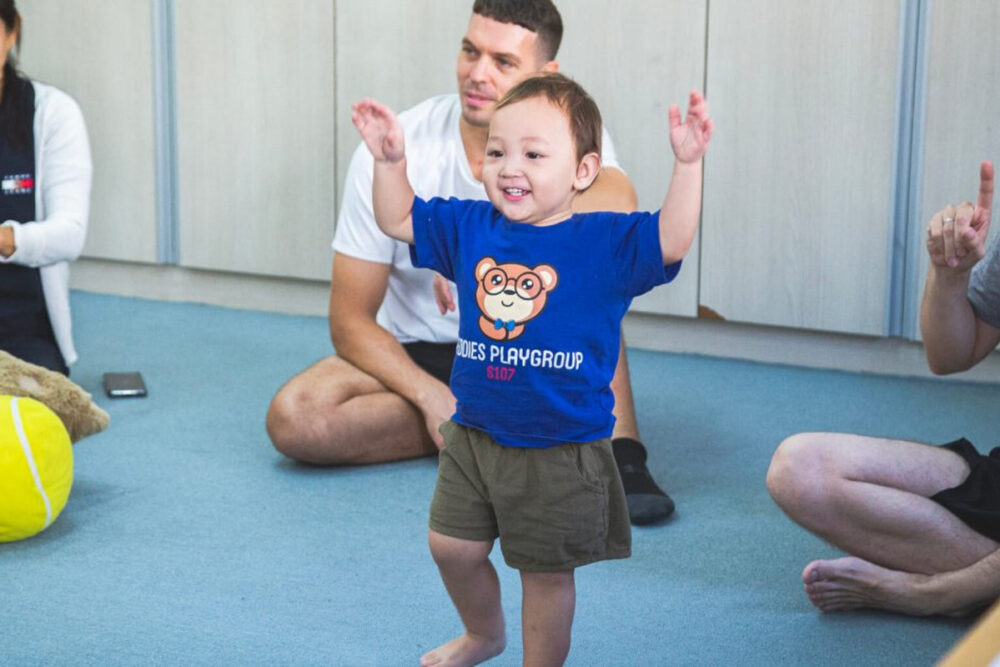
Music and movement in early years education can do much more than keep children entertained. Singing, dancing, clapping and playing simple rhythm games can help young children develop language, coordination, concentration and confidence.
For parents, these activities offer an easy way to support learning at home. For educators, they provide opportunities to introduce important skills through play, repetition and shared experiences.
Children do not need expensive instruments or formal music lessons to benefit. Often, a familiar song, a simple game or a few minutes of dancing can make learning enjoyable and meaningful.
Why Music And Movement Matter In Early Years
Young children learn by exploring the world through their senses and bodies. Music brings together listening, movement, memory and emotion, helping children make connections between what they hear and what they do.
For example, clapping along to a song encourages children to listen carefully and follow a rhythm. Repeating actions also helps them recognise patterns and remember sequences.
Additionally, group activities give children opportunities to take turns, cooperate and feel part of a class. These experiences can support the social and emotional development that helps children settle into school.
Music and movement are therefore valuable parts of a play-based learning environment, not simply breaks between classroom activities.
How Music Supports Language And Early Literacy
Children begin learning about language long before they can read or write. Nursery rhymes, songs and clapping games help them recognise sounds, syllables and patterns in spoken words.
For example, parents can clap out the syllables in a child’s name or tap along to the rhythm of a familiar rhyme. These simple activities help children pay attention to how words sound.
Action songs such as “If You’re Happy and You Know It” also encourage children to listen, follow instructions and connect words with physical actions.
Repetition matters, too. Hearing familiar songs several times helps children remember vocabulary and become more comfortable using new words.
Parents can build these moments into everyday routines. Singing while getting dressed, travelling to school or tidying toys can make language practice feel natural rather than like another lesson.
Introducing Early Maths Through Rhythm And Songs
Music can help children explore mathematical ideas before they encounter them in formal lessons.
Counting songs, for instance, allow children to practise number sequences. Songs such as “Five Little Monkeys” can make counting more engaging by combining numbers with actions and repetition.
Meanwhile, clapping to a steady beat introduces patterns. Children can also explore contrasts such as fast and slow, loud and quiet, or repeating and changing rhythms.
These activities encourage children to notice similarities, differences and sequences. As a result, early mathematical ideas become something they can hear, see and experience.
Parents can try counting steps, tapping out a repeated pattern or asking children to copy a short rhythm. Keeping the activities playful helps maintain their interest.
Building Concentration And Self-Regulation
Learning to listen, wait and respond takes practice. Music games can give children regular opportunities to develop these skills in an enjoyable setting.
Freeze dance is one simple example. Children move while the music plays and stop when it pauses. The game encourages them to pay attention to sound and control their movements.
Call-and-response clapping works in a similar way. One person creates a rhythm, and the other listens before copying it.
Furthermore, teachers can use familiar songs to signal transitions during the school day. A short tune might indicate that it is time to tidy up, gather for a story or prepare for another activity.
Over time, these predictable cues can help children understand routines and respond more confidently to instructions.
How Music Builds Confidence And Social Skills
Making music together gives children a shared activity, even when they have different personalities or levels of confidence.
Group singing, dancing and rhythm games encourage children to listen to one another, take turns and cooperate. They can also help quieter children participate without needing to lead a conversation.
In international schools, music offers another way to bring children together. Songs in different languages and familiar rhymes from home can help children share their backgrounds with classmates.
This matters when children are adjusting to a new school or learning alongside peers from different cultures. Shared activities can create a sense of belonging while helping children appreciate one another’s experiences.
Supporting Physical Development Through Movement
Movement helps children develop balance, strength, coordination and awareness of the space around them.
Large movements, such as jumping, marching, spinning and balancing, support gross motor development. Smaller actions, including finger rhymes, tapping instruments and handling shakers, help children practise fine motor control.
These skills support everyday activities as children grow. Fine motor control, for example, contributes to tasks such as drawing, writing and using classroom materials.
Simple props can make movement activities more interesting. Scarves, ribbons, homemade shakers and small drums allow children to experiment with sound and movement in different ways.
However, the activities do not need to be complicated. Giving children space to move safely and explore at their own pace is a useful starting point.
Simple Music Activities Parents Can Try At Home
Parents do not need musical training to make music part of family life. Short, regular activities can provide opportunities to play, communicate and learn together.
Here are a few ideas to try,
- Clap out the syllables in family names or favourite words.
- Sing counting songs and show the numbers with fingers or toys.
- Play freeze dance or musical statues.
- Take turns creating and copying clapping rhythms.
- Dance with scarves, ribbons or tea towels.
- Add actions to familiar nursery rhymes.
- Make simple shakers using securely sealed containers filled with rice or pasta, keeping small parts away from young children.
- Use a familiar song to signal everyday routines, such as tidying toys.
Additionally, let children choose some of the songs and movements. Giving them a say can encourage creativity and make the experience more enjoyable.
The aim is not to teach every skill in one session. It is to create positive opportunities for children to listen, move, experiment and express themselves.
Music And Movement At St Andrews S107
At St Andrews S107 in Bangkok, music and movement form part of the Early Years, Nursery and Kindergarten experience. The school follows the English Early Years Foundation Stage (EYFS) framework as the starting point for its curriculum.
Its play-based approach includes opportunities for children to explore, create, sing and move through structured activities and open-ended play. The school also offers specialist lessons, including music, PE and swimming.
As part of an international school community, children can share familiar songs and rhymes while discovering music from other backgrounds. These experiences connect creative expression with language, physical development and relationships.
For parents considering an Early Years setting, it is worth asking how music and movement fit into the weekly programme. Families can also find out how teachers adapt activities for different ages, interests and developmental needs.
Making Music Part Of Everyday Learning
Music and movement give young children practical ways to explore language, numbers, coordination and social relationships. They can also make everyday routines more engaging for families and teachers.
Parents do not need specialist equipment or a formal lesson plan. A counting song, a clapping game or a few minutes of dancing can provide a valuable shared experience.
Ultimately, the most useful activities are those that encourage children to take part, try new things and enjoy learning. When music and movement become a natural part of the day, children have more opportunities to grow through play.