“Music enhances the education of our children by helping them to make connections and broadening the depth with which they think and feel. If we are to hope for a society of culturally literate people, music must be a vital part of our children’s education.”
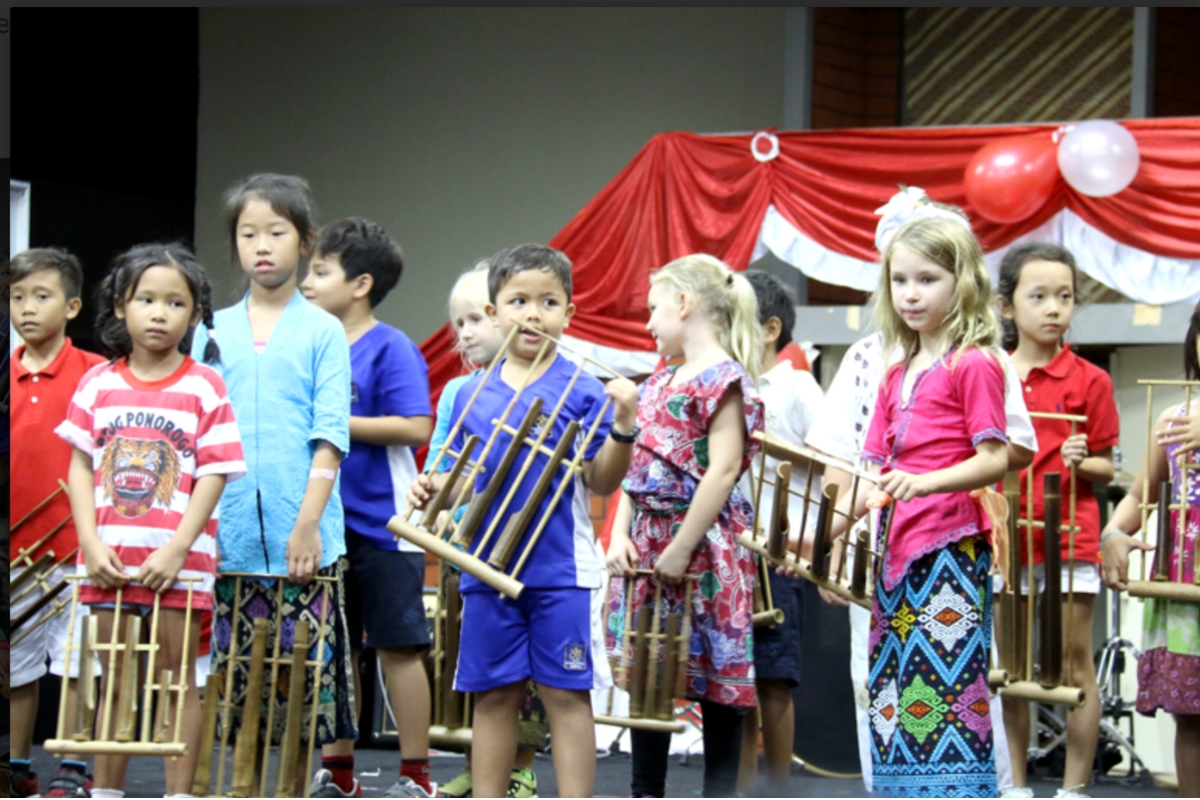
Walk into a school anywhere in Asia and there is a good chance you will hear music. A choir rehearsing in Singapore, traditional instruments being played in Indonesia, an orchestra preparing for a concert in Hong Kong or young children singing together in Thailand.
Music is part of school life across the region, but are we giving it the attention it deserves?
For parents choosing a school, academic results, facilities and university destinations often take priority. Music may not be the first thing families ask about, yet for many children it becomes one of the most enjoyable and memorable parts of school.
More Than Learning an Instrument
Think about the child who rarely puts their hand up in class but confidently performs in a school production. The student who struggles to make friends but finds a place in the orchestra. Or the young person who discovers a talent they never knew they had.
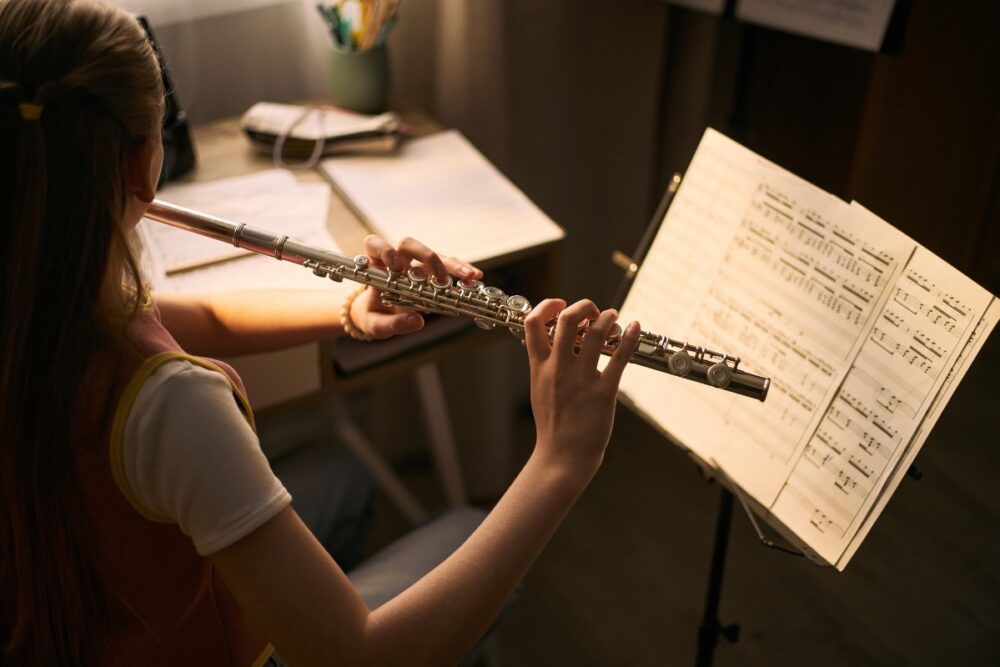
Music encourages concentration, memory, listening skills, and coordination. Performing
3 confidence while rehearsing with others teaches patience, commitment, and teamwork.
Learning an instrument also requires perseverance. Progress takes time, and children discover that improvement comes through practice, mistakes and trying again. For parents, these are qualities worth encouraging, whether or not their child has ambitions to become a musician.
Music offers children something that cannot always be measured in examination results.
Different Curriculum, Shared Value
Across Asia, schools follow British, American, IB, Cambridge, national and bilingual curricula. Their approaches to music differ, but there are some excellent examples of schools making it a priority.
| At Stamford American International School in Singapore, a published prospectus highlights more than 400 students participating in instrumental music, with 12 instruments and over 20 ensembles. | Dulwich College Beijing reported more than 600 students participating in music programmes, concerts, recitals and musical events during 2024–25. Every Junior School pupil is also provided with an instrument to practise at home. | At Kellett School in Hong Kong, music is an established part of school life. Its Senior School offers choirs, orchestras, jazz bands and instrumental ensembles. A previously published school recruitment document reported that over 40% of students participated in extracurricular music. |
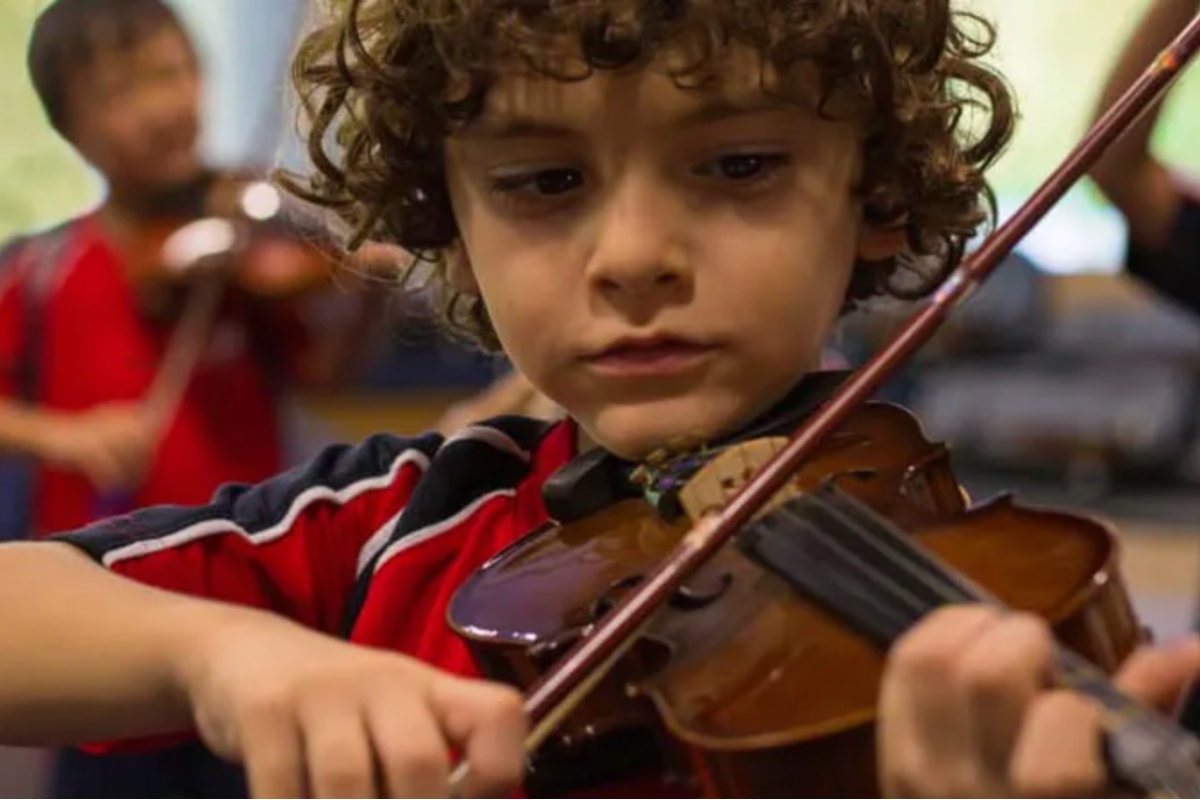
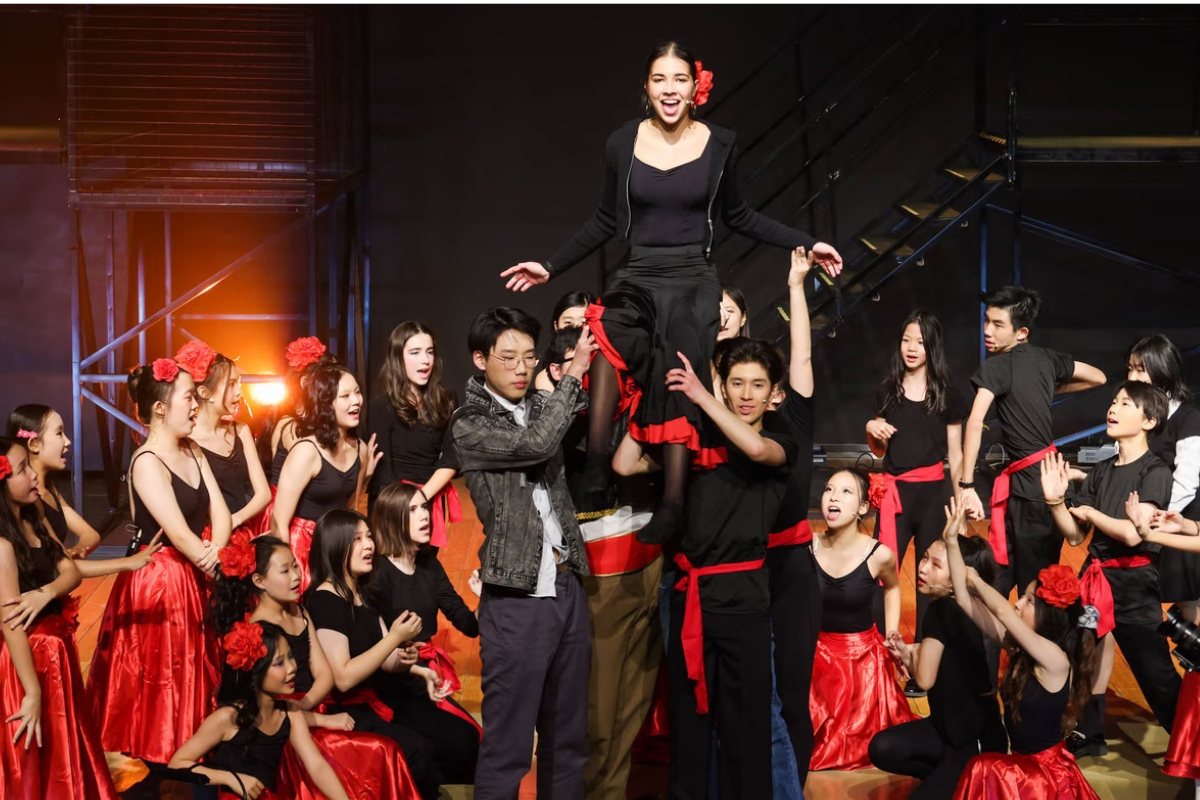
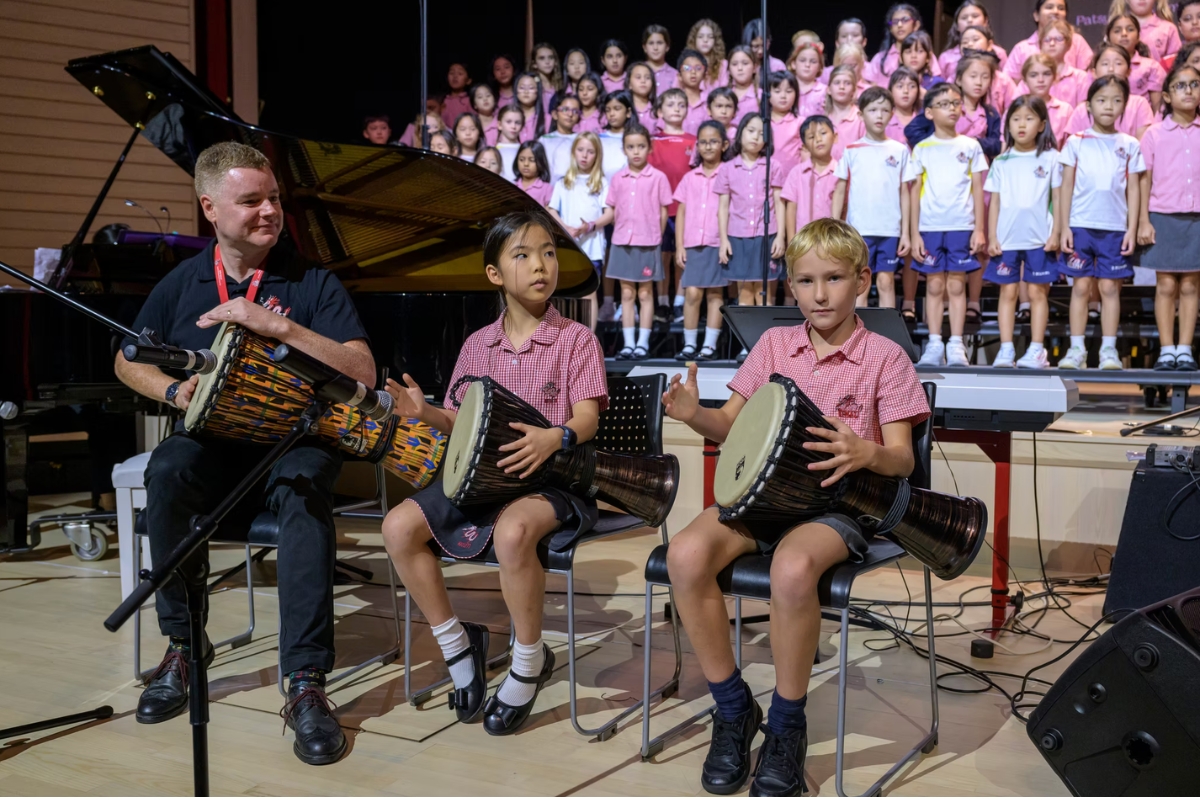
These examples show what can be achieved when schools give music the time, staff and resources it deserves. For international families, music can also help children settle into a new school. Joining a choir or band provides opportunities to make friends, particularly when children are adapting to different languages and cultures.
Encouraging Music at Home
Parents do not need musical experience to support their children.
Listening to different music together, attending concerts, encouraging singing or simply taking an interest in school music lessons can all help.
If your child shows an interest in learning an instrument, ask about school provision. Some schools offer group tuition, instrument hire and beginner ensembles, making music more accessible without the expense of private lessons. And not every child wants to perform. Some prefer composing, experimenting with music technology or simply enjoying music for themselves.
Not every child will become a musician, but every child can benefit from music.
When visiting prospective schools, parents should ask about music alongside sport, academics and other activities. Is music taught regularly? Can beginners join ensembles? Are there opportunities to perform? Does the school celebrate different musical traditions?
Schools across Asia have an opportunity to introduce children to their own musical heritage and the many cultures represented within their communities.
Years after leaving school, children may forget individual lessons, but they often remember their first concert, the excitement of performing and the friendships made along the way. Those experiences deserve a place in every child’s education.