The project aims to connect observations at home with professional follow-up; its screening reports are intended to inform assessment rather than establish a diagnosis.
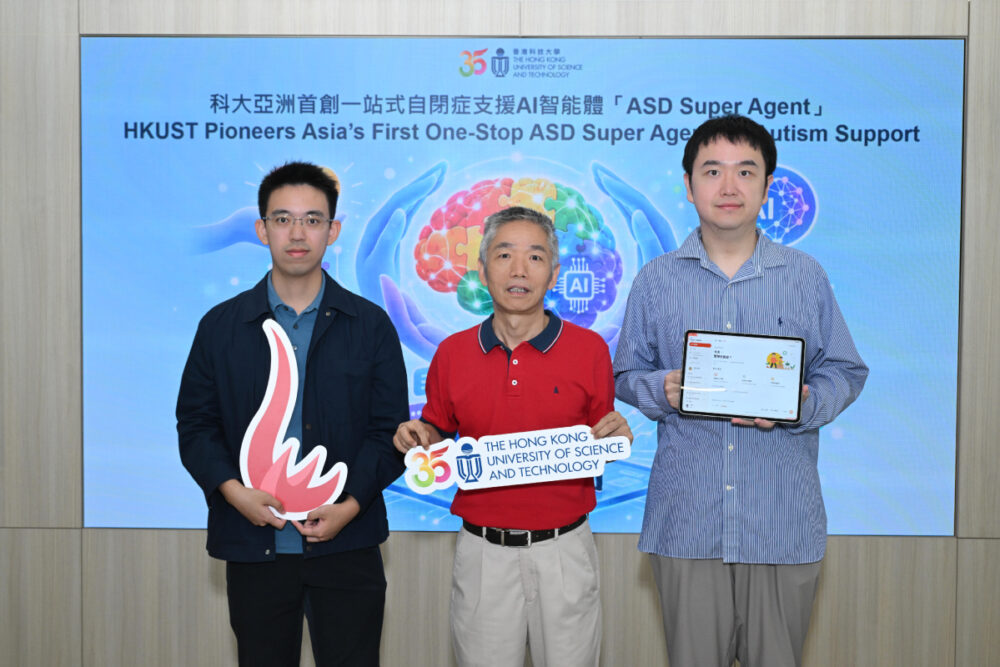
Researchers at The Hong Kong University of Science and Technology have developed an artificial intelligence platform intended to help families organise autism screening information, access personalised guidance and follow children’s development over time.
Announced by HKUST on 11 November, ASD Super Agent is led by Professor Kani Chen. The university says the platform remains under testing and development, with further clinical studies and real-world validation planned before deployment.
Its development included conversations with nearly 500 parents and visits to education and clinical settings in Hong Kong, the Greater Bay Area and Beijing.
How the Platform Is Designed to Work
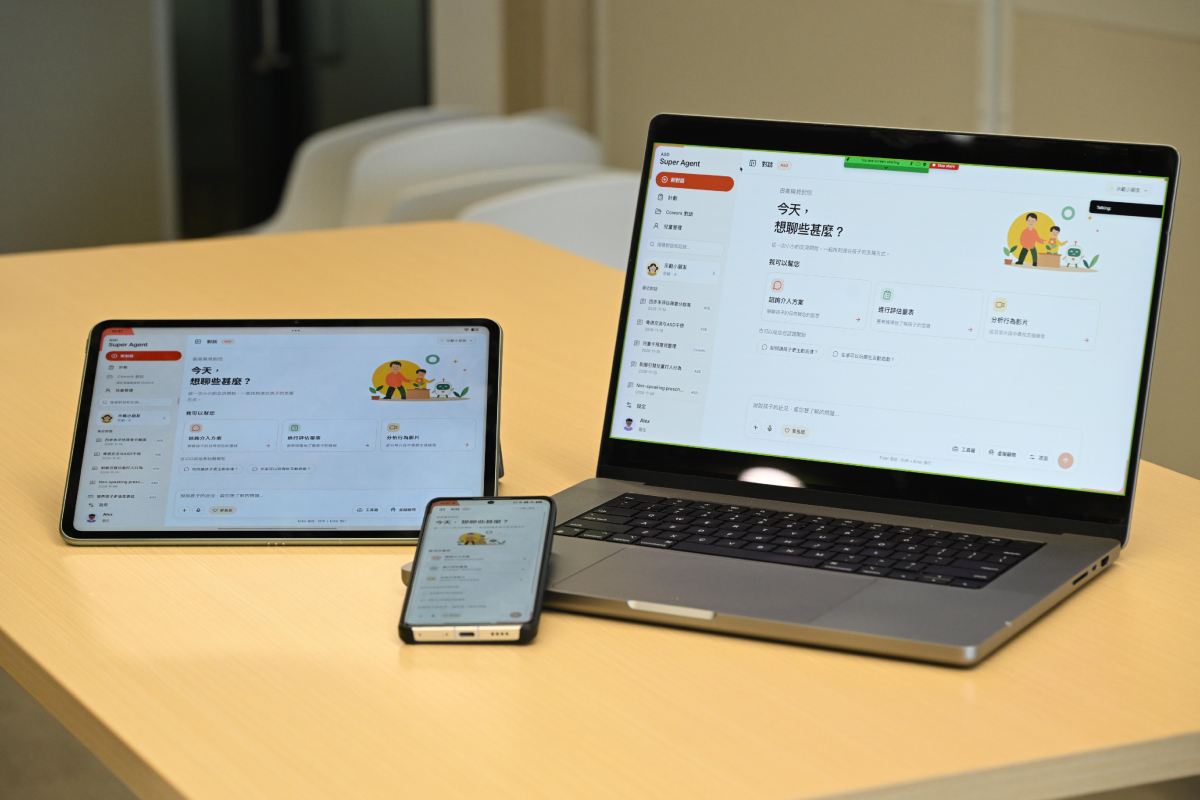
Families would provide short videos of everyday activities, questionnaire responses and developmental information. The system generates a risk report that can be taken to professionals for further evaluation.
Alongside screening, the proposed platform offers guidance and continuing records of a child’s progress.
In a direct interview with MobiHealthNews, Chen described potential use by both parents and service providers, with intervention decisions remaining with professionals.
He also emphasised that recommendations should be coherent and appropriate to a child’s goals, rather than an indiscriminate mixture of different approaches.
Future testing, he said, should examine whether families understand the outputs and find the suggested activities usable over time.
Keeping Professional Assessment Central
HKUST reports a preliminary area under the curve score of 0.92. This is a measure of discrimination within test data, not a finding of 92 per cent diagnostic accuracy or proof that the platform improves children’s outcomes.
The distinction matters for families and educators assessing new support technologies. A promising technical result still needs to be tested in the settings and populations where a service would be used.
The World Health Organization emphasises that autistic people’s abilities and support needs vary.
It recommends individualised information and practical support, alongside collaboration between health, education and other services.
Evidence-based psychosocial interventions can support communication and social skills, while inclusion and accessibility remain essential.
For schools, the proposed role is therefore to support informed discussions between families and professionals, while the platform’s clinical usefulness continues to be evaluated.
Read HKUST’s research announcement for the project’s current development status and planned next steps.