Young educators Asia-Pacific are calling for stronger opportunities to participate in union leadership and decision-making as education unions across the region look towards the future.
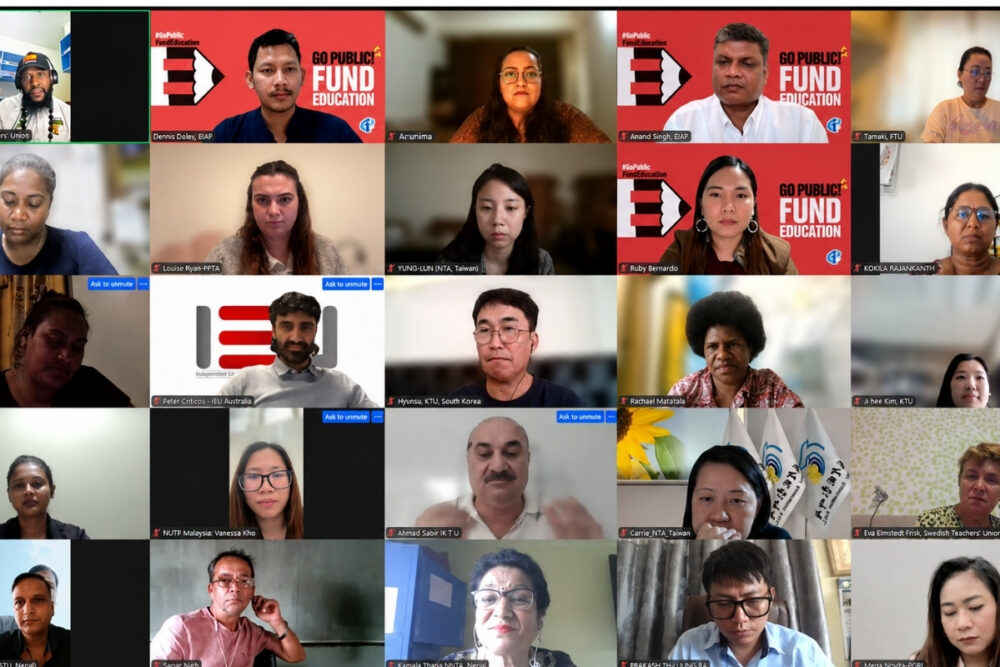
On 12 August 2026, International Youth Day, Education International Asia-Pacific (EIAP) brought together young educators and union activists from across the region. The online meeting was held under the global theme ‘Different Contexts, Common Aspirations’.
The discussion gave young unionists an opportunity to share experiences, explore common challenges and suggest practical ways to strengthen youth participation in education unions.
For educators and school leaders, the discussion highlights a wider issue facing the education sector. Supporting early-career teachers and giving them meaningful opportunities to lead can help build stronger professional communities and education systems.
Young Educators Asia-Pacific Call For Stronger Union Participation
Opening the meeting, EIAP Regional Director Anand Singh highlighted the importance of meaningful youth participation in building strong, democratic and sustainable unions.
Young educators across the region face challenges such as insecure employment, increasing workloads, rising living costs and limited opportunities to participate in decision-making. However, Singh also emphasised that young people are already contributing to change.
He stressed,
“Nothing about young people should be decided without young people. Young educators are not only the leaders of tomorrow; they are important leaders of today.”
The meeting forms part of EIAP’s Youth Engagement Project. The regional initiative aims to strengthen youth participation, leadership and networking within education unions.
Furthermore, insights from the project will contribute to discussions at the EIAP Youth Caucus and the 10th EIAP Regional Conference in Jakarta.
Young Educators Share Experiences From Across The Region
A panel discussion titled Voices of Young Unionists brought together Roselyn Mayble Timauku from SINTA in the Solomon Islands, Louise Ryan from NZPPTA Te Wehengarua in New Zealand, and Ruby Ana Bernardo from ACT Philippines.
The panellists discussed their personal union journeys and shared practical examples of how their organisations are creating opportunities for younger educators.
Roselyn highlighted the Council of Pacific Education (COPE) Youth Network and its role in supporting collaboration, solidarity and leadership development among young education unionists across the Pacific.
“Creating spaces where young educators can connect, learn from one another and lead together is essential to strengthening our unions and our collective voice.”
Meanwhile, Louise Ryan discussed the experience of NZPPTA’s Network of Establishing Teachers and the importance of union education, mentoring and dedicated support for early-career teachers.
“When young educators are supported through networks, mentoring and meaningful participation, they are more likely to remain engaged and take on leadership roles within their unions.”
For schools, professional networks and mentoring can also offer valuable support to teachers at the beginning of their careers. These structures can help educators build confidence, develop leadership skills and remain connected to their professional communities.
Building Leadership Pathways For The Next Generation
Ruby Ana Bernardo reflected on her journey from classroom teacher to becoming the youngest Chairperson of ACT Philippines.
Her experience highlighted the importance of keeping education unions relevant and responsive to the priorities of younger educators.
“Unions must continue to evolve and respond to the realities facing young educators if we want to inspire the next generation of activists and leaders.”
The discussion was also enriched by contributions from Ryosuke Hikita, Chair of the Youth Committee of the Japan Teachers’ Union (JTU).
Hikita shared the committee’s work to strengthen youth participation and leadership. He also highlighted the importance of international exchange and cooperation between young unionists across Asia-Pacific.
Such connections can allow educators to share experiences, understand different education systems and identify common challenges. They can also help create stronger professional networks across borders.
Hikita welcomed the EIAP Youth Engagement Project as a positive step towards building a stronger regional community of young educators and fostering lasting international solidarity.
He also explained that
“Young educators across Asia-Pacific face different realities, but many of our aspirations are shared. By strengthening connections and solidarity across borders, we can learn from one another, support one another, and build a stronger future for education unions throughout the region.”
Research Highlights Priorities Of Young Educators
Participants also heard emerging findings from the EIAP Youth Engagement Research Project, presented by researcher Arunima Hakhu.
The research explored the experiences and priorities of young educators across Asia-Pacific. It also identified opportunities for unions to strengthen engagement, participation and leadership pathways for younger members.
During an interactive discussion, participants proposed several practical recommendations.
These included dedicated youth structures, mentorship programmes, leadership development opportunities, stronger intergenerational dialogue and regional networking mechanisms.
For education leaders, these recommendations also point to the value of creating clear pathways for younger professionals to contribute to decision-making.
Mentoring, professional development and opportunities to take on responsibility can help early-career educators develop skills that benefit both their careers and their wider education communities.
“When young educators are supported through networks, mentoring and meaningful participation, they are more likely to remain engaged and take on leadership roles within their unions.”
What The Discussion Means For Education Communities
The International Youth Day meeting provides a broader reminder that young educators should have a meaningful voice in decisions affecting their profession.
For teachers, participation can create opportunities to develop leadership skills and connect with colleagues beyond their own schools. For school leaders, stronger mentoring and professional networks can support staff development and engagement.
Parents and students also have an interest in strong education communities. Experienced and supported teachers contribute to stable learning environments, while effective professional leadership can influence the wider school experience.
Moreover, international networks give educators an opportunity to learn from approaches used in different countries and contexts.
The challenges may differ across Asia-Pacific, but the discussion showed that many young educators share similar aspirations around professional recognition, meaningful participation, stronger support and opportunities to lead.
Looking Ahead To Regional Education Leadership
The discussions and recommendations from the meeting will help inform the EIAP Youth Caucus in October 2026. They will also contribute to discussions at the 10th EIAP Regional Conference in Jakarta.
Participants reaffirmed the importance of meaningful youth participation in union decision-making and leadership. They also highlighted the need for stronger regional networks and greater international solidarity among young educators.
As the EIAP Youth Engagement Project continues, the meeting marks another step towards ensuring that the voices, experiences and aspirations of young educators shape the future direction of education unions across Asia-Pacific.
For educators and education leaders, the message is clear. Creating meaningful opportunities for younger professionals to participate, learn and lead can strengthen education communities for years to come.