
A strong enrichment programme can give students more than another activity after lessons. It can help them discover what they enjoy, build confidence and learn how to manage challenges.
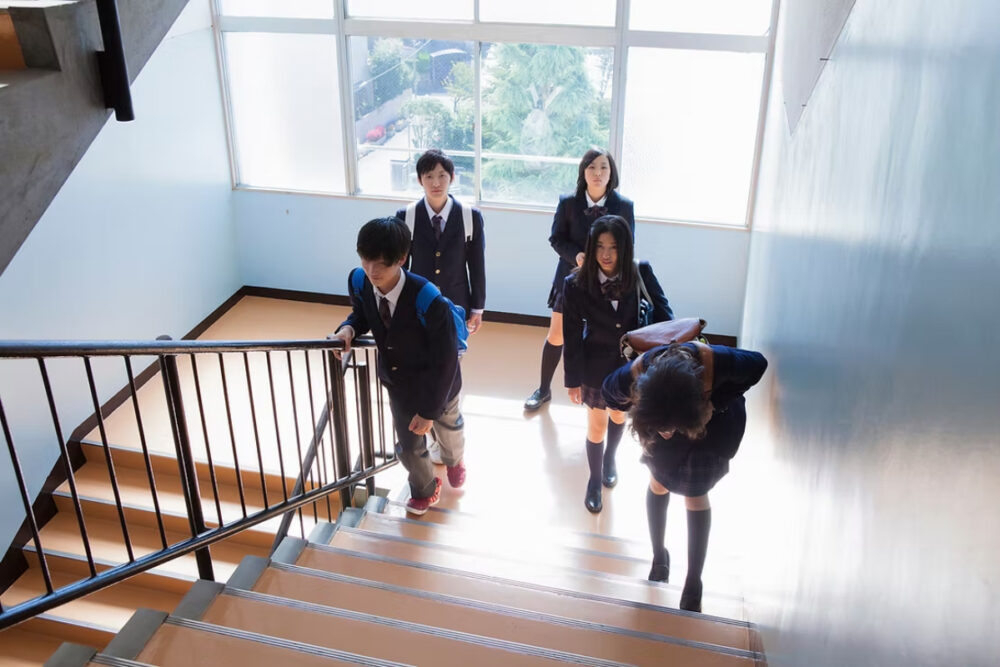
At NLCS (Singapore), this approach sits alongside academic learning and individualised pastoral care. Drawing on more than 175 years of NLCS heritage, the school aims to create an environment where students are known, challenged and celebrated.
For parents, this raises an important question. How can schools help children pursue their interests seriously without allowing them to lose balance in their academic lives?
Zijin, a student at NLCS (Singapore), offers one example. Her passion for artistic swimming has taken her to international competitions while she continues to manage her academic responsibilities at school.
Finding A Passion Beyond The Classroom
Zijin first discovered artistic swimming as a young child. She was attracted to the combination of music, movement and synchronisation.
What began as an activity she wanted to try has since developed into a significant sporting commitment.
She has competed internationally in Abu Dhabi, Kuala Lumpur and Bangkok. In 2026, she was selected to represent Singapore at the 12th Asian Age Group Championships in Bangkok and the 48th Southeast Asian Age Group Aquatics Championships in Malaysia.
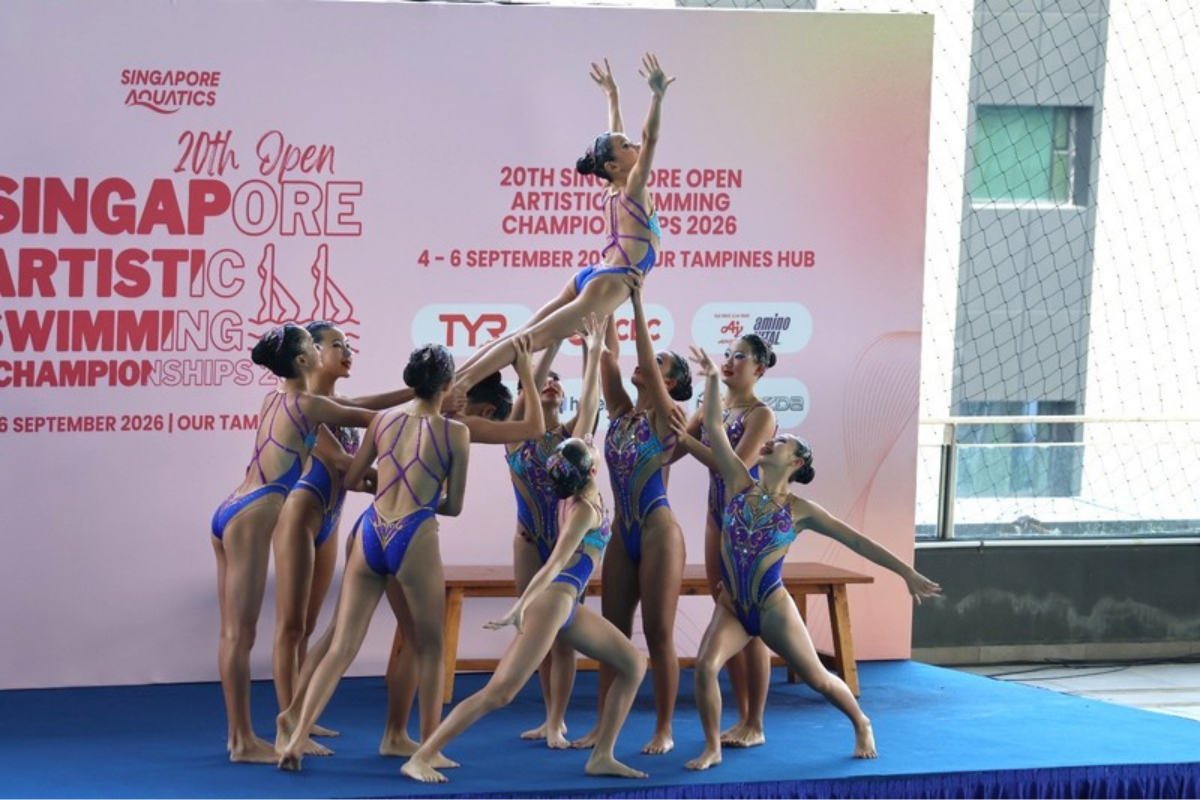
At the Singapore Open Artistic Swimming Championships in September 2026, she won Gold in the U12/Youth Free Combination event and Silver in the Youth Team event.
However, for Zijin, the experience is not simply about competition results.
“I have also learned that doing well is not only about results. It is about being willing to challenge yourself, manage your time and keep working even when things become difficult.”
Her experience highlights why enrichment can play an important role in a child’s education. Activities outside lessons can give students opportunities to experience challenge, practise perseverance and learn more about themselves.
Giving Students Space To Follow Their Interests
For parents, one of the most valuable aspects of enrichment is choice.
Students may discover interests in sport, music, art, technology, leadership or community service. Providing opportunities to explore these interests can help children develop a stronger sense of identity and confidence.
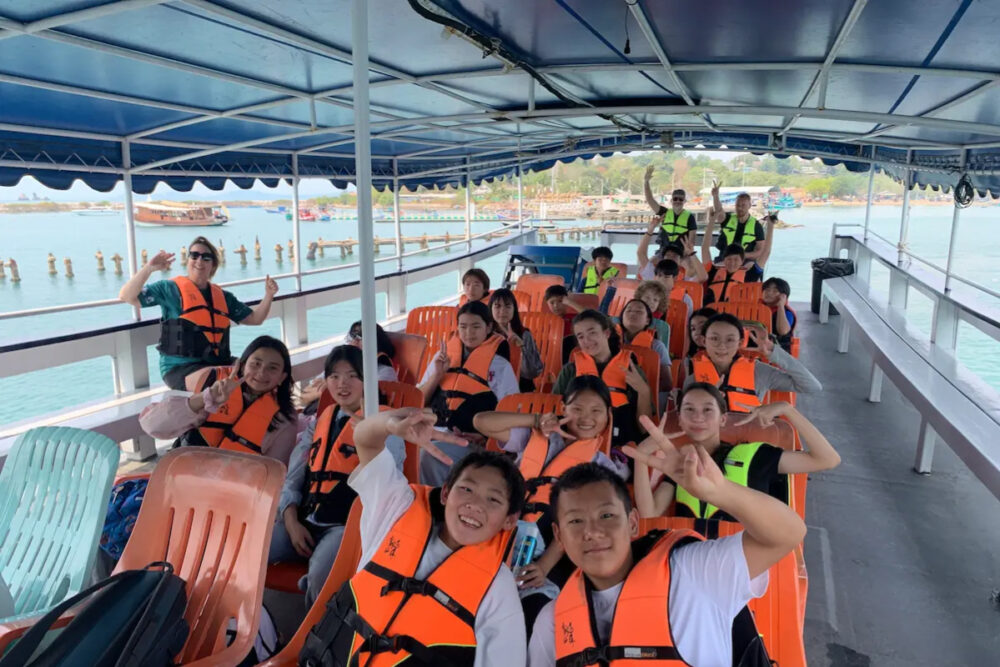
At NLCS (Singapore), the enrichment programme includes sport, the arts, academic clubs and societies, leadership, service and trips.
For Zijin, this wider programme has helped her pursue a demanding sporting discipline alongside her studies.
“The way time is structured at NLCS, together with the atmosphere created by the teachers and students, has given me a relaxed and supportive environment where I feel free to explore activities that are a little different, without feeling that I have to do the same things as everyone else.”
This sense of individuality is important.
Rather than expecting every student to follow the same path, schools can give children opportunities to discover their own interests and strengths.
Balancing Ambition With Academic Responsibilities
Pursuing a high-level activity alongside school can be demanding.
Zijin trains regularly and travels for competitions. At times, she travels without her parents while continuing to manage her academic responsibilities.
She describes the balance as challenging, particularly before competitions. However, the experience has also encouraged her to become more organised.
“Becoming more organised and responsible with my time is an ongoing challenge for me, and I am still constantly adjusting and learning.”
For students involved in competitive sport, performing arts or other demanding activities, time management becomes an important part of their education.
They have to plan ahead, meet deadlines and make decisions about how they use their time.
These are practical skills that can remain valuable long after a particular competition or performance has finished.
How Teacher Support Can Help Students Stay On Track
A student’s ability to pursue an interest outside school can depend partly on the support they receive within school.
When Zijin has missed lessons because of competitions, her teachers have helped her catch up with work.
“Knowing that my teachers understand and support what I am trying to achieve makes it much easier for me to manage both school and sport.”
This illustrates the role of individualised pastoral care.
Support does not always mean removing challenges. Instead, it can mean understanding a student’s circumstances and helping them develop the skills to manage competing responsibilities.
For parents, this is an important consideration when choosing a school. A supportive environment should recognise that children can have ambitions outside their academic timetable.
What Artistic Swimming Can Teach Children
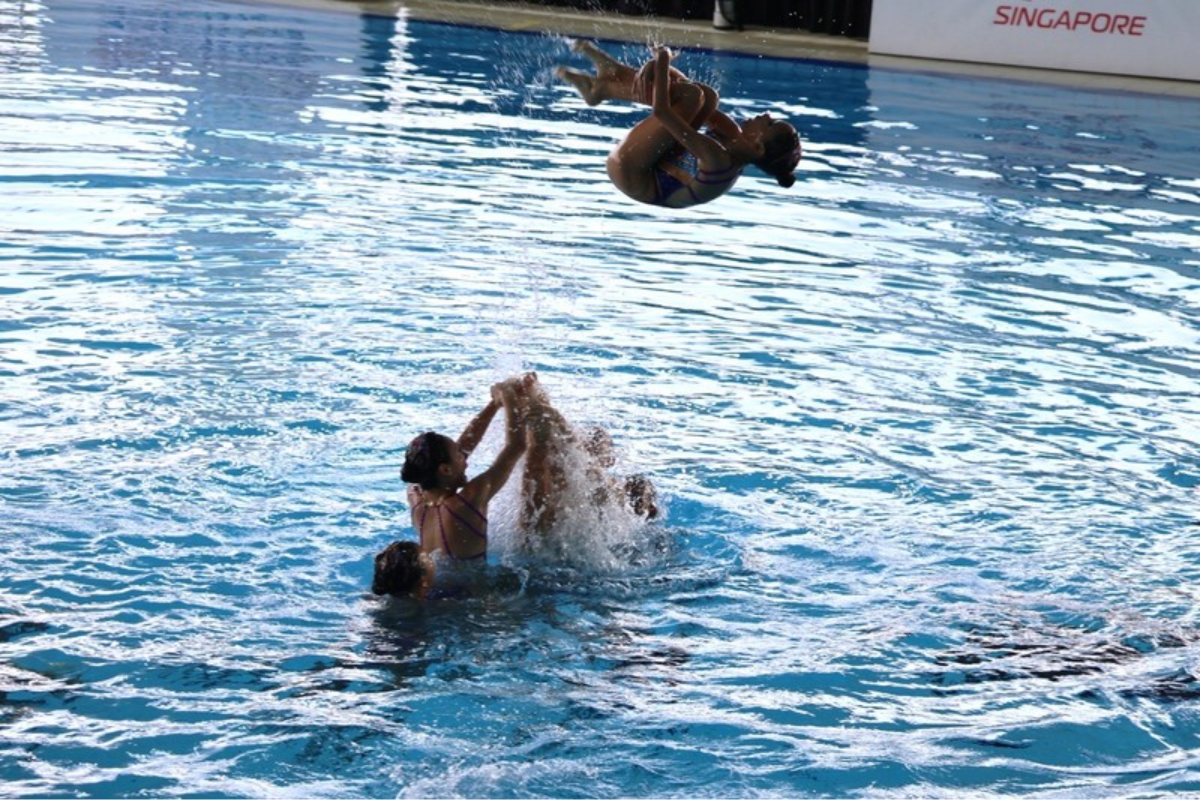
Artistic swimming combines physical strength, flexibility, coordination, breath control, musicality, artistic expression and teamwork.
For Zijin, however, the lessons extend further.
Repeated practice has taught her patience. Difficult routines have taught her resilience. Team competitions have also shown her the importance of contributing to a group.
“Sometimes you practise something many, many times and still feel that you just cannot do it. But then one day, when you have almost forgotten how desperately you wanted to master it, you suddenly get it right.”
That experience can be familiar to children in many areas of learning.
Whether they are learning an instrument, mastering a new sport or tackling a difficult academic subject, progress does not always happen quickly.
Learning to continue after setbacks can therefore be just as valuable as achieving the final result.
Learning That Success Is Not Always Individual
Team activities can also teach children to see achievement differently.
In artistic swimming, every participant has a role within the wider performance.
Zijin says this has changed how she thinks about teamwork.
“Everyone has a different role, but every role matters.”
This principle applies well beyond sport.
Schools give students many opportunities to work with people who have different strengths, personalities and perspectives. Learning to contribute while recognising the contribution of others is an important part of personal development.
Meanwhile, group activities can help children practise communication and responsibility in ways that traditional classroom tasks may not always provide.
Focusing On Progress Rather Than Comparison
Competitive environments inevitably involve comparison.
There will always be someone with more experience, greater technical ability or a longer training history.
For young people, learning how to respond to that reality can be important for their confidence and wellbeing.
Zijin is learning to measure her development against her own progress rather than focusing entirely on other competitors.
“I am learning to accept this as part of competing and to focus more on my own progress.”
Her parents have also seen this change.
They believe one of the most valuable lessons from her artistic swimming journey has been learning that finishing something can sometimes be more important than making it perfect, and that there will always be someone better.
For them, sustained commitment ultimately needs to come from genuine enjoyment.
“What really keeps someone going is enjoying the activity itself.”
This is an important lesson for parents and schools alike. Children are more likely to sustain an interest when they find genuine meaning and enjoyment in what they are doing.
Why Enrichment Matters In A Child’s Education
Zijin’s experience demonstrates how enrichment can complement academic education.
The value of an activity is not necessarily measured by trophies or competition results. It can also be found in the habits and attitudes students develop along the way.
Through artistic swimming, Zijin has developed greater awareness of time management, resilience, teamwork and personal progress.
Similarly, another student might develop confidence through drama, creativity through art, leadership through student activities or problem-solving skills through technology.
The activity itself may differ, but the underlying learning can be similar.
Creating Space For Students To Become Themselves
NLCS (Singapore) aims to combine academic challenge with enrichment and individualised pastoral care.
The wider lesson for parents is that a child’s education should leave room for individuality.
Students need opportunities to discover what they enjoy, challenge themselves and develop interests that may eventually become important parts of their identity.
At the same time, they need support to balance these interests with academic responsibilities.
Zijin’s experience shows what that balance can look like in practice. Her journey currently involves music, choreography, training, teamwork and international competition. Another student’s passion may take an entirely different form.
Ultimately, the role of a school is not to decide what every child should pursue. It is to create the conditions in which students can discover what matters to them, develop their abilities and learn how to pursue their ambitions with purpose.