Kazakhstan is expanding its international university partnerships with Japan and South Korea, with new discussions focused on research, academic exchanges, artificial intelligence and specialist training. The move could create more opportunities for students and academics while strengthening Kazakhstan’s position as a higher education hub in Central Asia.
Science and Higher Education Minister Sayasat Nurbek held meetings with university leaders and government officials in Tokyo and Seoul in August. The discussions covered joint research, student and faculty mobility, educational programmes, technology transfer and the development of skills needed in science and technology.
Kazakhstan Strengthens University Links With Japan
In Tokyo, Nurbek met representatives of Tokyo Metropolitan University and the United Nations University (UNU).
Discussions with Tokyo Metropolitan University President Takaya Ohashi focused on academic mobility, exchanges between researchers and faculty members, and joint education and research projects. Nurbek also invited Ohashi to attend the Strategic Partners Forum, which is scheduled to take place in Astana in November.
Meanwhile, talks with UNU Rector and UN Under-Secretary-General Tshilidzi Marwala explored cooperation in science, higher education, research and sustainable development. The two sides also considered opportunities to expand UNU’s presence in Kazakhstan. Marwala accepted an invitation to attend the Strategic Partners Forum.
For students and educators, these partnerships could provide wider access to international research networks, academic exchanges and collaborative learning opportunities.
The latest discussions build on Kazakhstan’s efforts to strengthen education links with Japan. During President Kassym-Jomart Tokayev’s visit to Tokyo for the first Central Asia-Japan Summit in December 2025, he described human capital as “the main engine of development” and invited Japanese universities to establish branches and educational centres in Kazakhstan.
South Korea Partnership Focuses On AI And Research
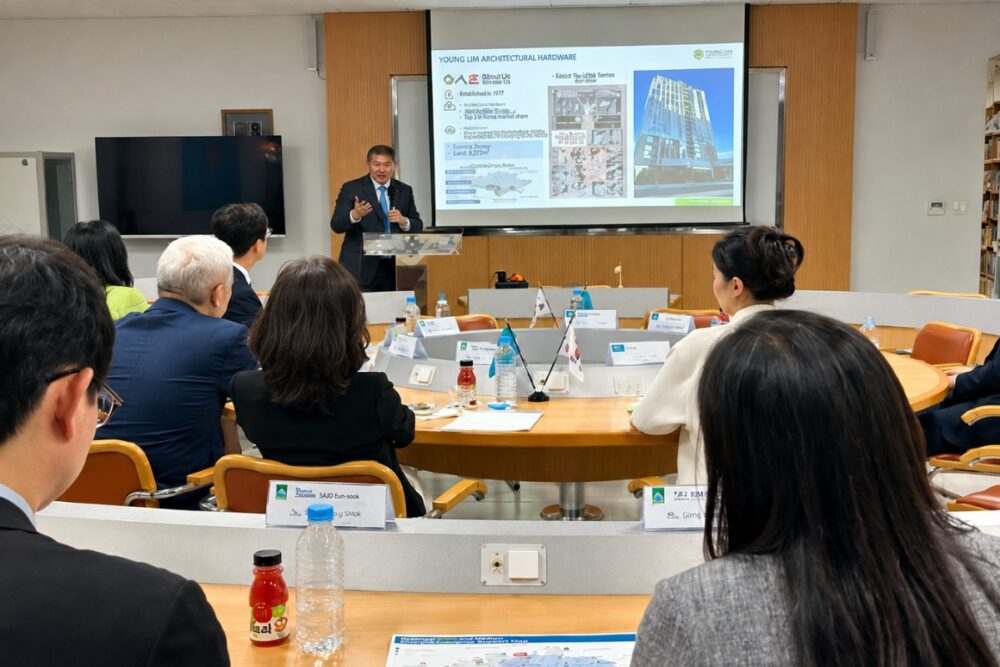
In Seoul, the focus shifted towards science, technology and artificial intelligence. Nurbek met South Korea’s Deputy Prime Minister and Minister of Science and ICT Bae Kyung-hoon to discuss technology transfer, joint research and specialist training.
A key area of discussion was the proposed establishment of a KAIST-linked science and technology institution in Kazakhstan. The initiative is intended to strengthen education and research in artificial intelligence, digital technologies and engineering.
Nurbek also met KAIST Vice President Jaemin Jung. Their discussions included academic mobility, joint educational and research projects, and cooperation in AI and digital technologies.
The potential expansion of KAIST-linked education is particularly relevant for students interested in engineering, computing and AI. It could also give Kazakh universities greater access to international expertise and research networks.
More Opportunities For Students And Universities
The minister also held meetings with Seoul National University and Korea University. Discussions focused on academic exchanges, joint research and specialist training in medicine, engineering, information technology and other priority areas. Both universities already have partnerships with Kazakh higher education institutions.
Additionally, Kazakhstan and South Korea are developing links through dual-degree programmes and international campuses. Seoul Cyber University has partnerships with several Kazakh universities, while Woosong University opened a branch campus in Turkistan earlier this year.
South Korea is also becoming an increasingly popular destination for Kazakh students. According to the Korean Educational Development Institute, 1,516 Kazakh students were enrolled at South Korean universities as of April 2024.
For students, stronger university links can mean more choices for overseas study, exchange programmes and dual qualifications. For educators and university leaders, the partnerships offer opportunities to develop joint research and strengthen international academic networks.
What The Partnerships Could Mean For Kazakhstan’s Education Sector
Kazakhstan’s growing links with Japanese and South Korean universities show a clear focus on connecting higher education with research and workforce development.
The government is also seeking to strengthen direct cooperation between Kazakh universities and international institutions. Kazakhstan’s Ministry of Science and Higher Education has said it wants to expand cooperation with Korean universities and research centres, including work involving KAIST.
For students, the expansion could create new pathways into AI, engineering, medicine and digital technology. For universities, it could support research collaboration, academic mobility and internationalisation.
Ultimately, the success of these partnerships will depend on how effectively planned agreements develop into accessible programmes, sustained research projects and opportunities for students and academics.