Asia’s international school sector is becoming more competitive, putting greater pressure on schools to prove their value beyond brand recognition.
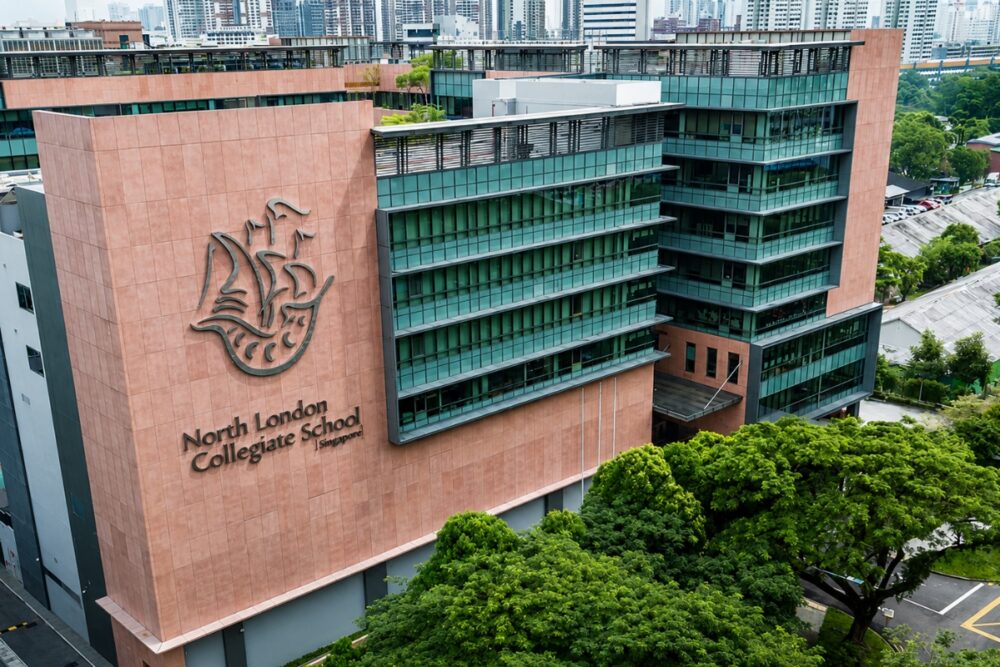
Speaking at IPSEF 2026, Ali Aliev, director of business development at North London Collegiate School (NLCS) International, said international school groups are entering a new period. Parents are becoming more discerning, while established markets are seeing stronger competition and more school choices.
The discussion, originally reported by The PIE News, offers useful insight for school leaders, educators and education stakeholders assessing the future of international education in Asia.
Asia’s International School Market Is Changing
The international schools sector has grown significantly, with more than 14,000 schools worldwide. Asia accounts for a substantial share of this provision, led by markets including China and India.
However, Aliev said the sector is moving away from the expansion-led approach that shaped much of the previous decade.
He explained that international school groups had previously focused on entering China, expanding in major cities and moving into tier two locations.
“In the next 10 years we will be talking a lot more about protecting ourselves from the headwinds and winning sustainably when markets become more competitive, parents become more discerning, and having a British brand alone is no longer enough,” he told the conference.
As a result, international schools may need to focus more closely on sustainable growth, educational quality and how they respond to increasingly informed families.
Parents Are Looking Beyond International School Brands
Aliev used NLCS International’s overseas development to demonstrate how the market has evolved.
The school’s first international campus opened on Jeju Island in South Korea in 2011. At the time, it was the first international school on the island and enrolled 400 students in its opening year.
Aliev described this early advantage as a “trust premium”. However, the environment is now different in cities such as Dubai, Singapore, Japan, Thailand and Hong Kong.
These markets have more schools, stronger local and regional competition and parents who have greater access to information.
According to Aliev, families now compare schools based more closely on educational outcomes and consistency.
This shift means a well-known British school name may help an institution attract attention. However, schools still need to demonstrate what families receive beyond the brand.
International Schools Need A Clearer Educational Proposition
In more mature markets, Aliev said international school brands are increasingly becoming a starting point rather than a guarantee of success.
“In a more mature market, brand increasingly functions as an entry ticket, not the guarantee of long-term success,” he said. “The bigger the competition, the further down the pyramid the advantage must travel.”
For school leaders, this means differentiation is becoming increasingly important.
Schools need to communicate clearly what makes their educational approach distinctive. They also need to maintain investment in their reputation across international markets.
Moreover, international school groups need sufficient scale and visibility to attract families, partners and other stakeholders.
For parents, the shift offers a useful reminder to look beyond a school’s name. Academic outcomes, leadership, teaching quality, student wellbeing and consistency can provide a stronger basis for comparison.
Local Operators Can Influence School Quality
The relationship between international school groups and local operators was another major theme at IPSEF 2026.
Many international campuses operate through partnerships or franchise arrangements. The founding school may provide the brand, educational principles and quality checks, while a local operator manages much of the implementation.
Aliev explained that this structure can create challenges if responsibility for the educational promise and its delivery is not clearly defined.
He said the school and operator must establish strong roles and responsibilities. Otherwise, the long-term value of the partnership can become less certain as local operators develop their own priorities.
For school leaders, this highlights the importance of selecting partners who understand the educational model and can maintain its standards.
International School Groups Are Competing For More Than Families
International school groups also need to compete for the partnerships that make expansion possible.
Aliev described this as a second market alongside the traditional relationship with parents and students.
“The strongest school enterprises win in two markets, not one,” he said.
The second market includes operating partners, investors, landlords, developers and other stakeholders who can influence whether a new school becomes viable.
Therefore, international school groups need capabilities that extend beyond marketing and brand management.
Site selection, proposition development, commercial assessment and teacher recruitment can all influence the success of a new campus.
Capability Is Becoming A Key Competitive Advantage
Aliev argued that international expansion should not simply involve allowing another operator to use an established school name.
He said groups should instead develop the capabilities needed to translate their educational model successfully across different markets.
These capabilities include identifying appropriate locations, adapting programmes to local needs, assessing commercial feasibility and recruiting suitable teachers.
For educators and school leaders, this places greater emphasis on the systems behind an international school.
A strong brand can create an initial connection with families. However, the quality of teaching, leadership, staffing and student support shapes the experience that follows.
Consistency Matters Across International Campuses
As school groups expand, maintaining consistency across campuses can become more difficult.
Aliev encouraged international school groups to examine whether students receive a recognisable level of educational quality across different locations.
This includes leadership, staffing, school culture and educational delivery.
For parents, consistency can help build confidence when choosing an international school. Meanwhile, educators need clear expectations and support when working within a growing international group.
School leaders also need to ensure that expansion does not weaken the standards associated with the original institution.
What This Means For Asia’s International Schools
Asia’s international school sector is entering a more competitive phase.
As a result, established brands may no longer be enough to secure long-term success. Schools must demonstrate strong educational outcomes and maintain consistent standards across campuses.
Aliev’s central argument is that international school groups need to focus on execution as much as reputation.
“Brand opens doors, but capability keeps them open. Mature markets reward execution, not imitation. The next winners in Asia will be those who choose more carefully and execute more consistently.”
For parents, this means looking beyond school names when comparing international education options.
For educators and school leaders, it highlights the importance of strong systems, reliable partnerships and consistent educational delivery.
Ultimately, the next phase of international school growth in Asia may be defined less by how quickly groups expand and more by how effectively they maintain quality as they grow.