
Fairmont International School Vietnam (FISV) is opening for the 2026–2027 academic year, bringing more than 70 years of educational heritage from California to Hanoi. The new school is the first Fairmont school in Southeast Asia.
For families, the launch introduces another international education option in Vietnam, with academic pathways designed around U.S. Common Core Standards. The school will also offer pathways aligned with Vietnam’s Ministry of Education and Training (MOET), giving families greater choice when planning their children’s education.
The school’s international programme will serve pupils from Early Years through High School. Meanwhile, Advanced Placement (AP) courses are planned for the High School years, creating opportunities for students to engage with university-level content and strengthen their preparation for higher education.
Fairmont International School Vietnam Brings A U.S. Education Legacy And Flexible Learning Pathways To Hanoi
Fairmont International School Vietnam builds on the history of Fairmont Schools, which was founded in California in 1953. With more than 70 years of educational experience, the school brings its U.S. education heritage to families in Hanoi while adapting its offering to an international setting.
The school says its approach combines a strong academic foundation with personalised learning and opportunities for students to develop confidence and independence. This creates a clear connection between the Fairmont heritage in the United States and the needs of families seeking international education in Vietnam.
For parents, the school’s arrival offers a new option for those seeking an American-style international education without leaving the region. Furthermore, its programmes span Early Years, Primary, Middle School and High School, allowing pupils to progress through a structured learning journey within one school community.
The school’s international High School pathway is designed to prepare students for university applications in Vietnam and overseas. Students may also have opportunities to earn AP credits, depending on the courses they take.
This can be particularly relevant for families considering universities in the United States and other international destinations. At the same time, the school’s range of academic pathways gives families greater flexibility when planning their children’s education.
One of the key features of Fairmont International School Vietnam is its combination of a U.S. Common Core-aligned international programme and options that follow the requirements of Vietnam’s Ministry of Education and Training.
The international programme places emphasis on areas such as English, mathematics, critical thinking, problem-solving and independent learning. For students, this can provide a structured academic foundation while supporting skills that extend beyond individual examinations.
The school also offers programme options aligned with MOET requirements. As a result, families can consider different routes based on their educational priorities and longer-term plans.
This flexibility may be particularly useful for families whose education plans could change over time. For example, some may prioritise an international university pathway, while others may want to maintain alignment with Vietnam’s national education requirements.
By offering both options, Fairmont International School Vietnam aims to provide greater choice within its school community. Ultimately, the combination of its U.S. education heritage, international curriculum and local pathway options gives families different routes to consider as they plan their children’s education.
Global Connections Could Broaden Student Opportunities
Fairmont International School Vietnam is also part of International Schools Partnership (ISP), which connects schools across more than 25 countries.
The school says this wider network will provide opportunities for international learning experiences, collaborative projects and student exchanges.
Such opportunities can help students encounter different cultures and perspectives. They can also support communication skills, adaptability and confidence when working with peers from different backgrounds.
For educators, international collaboration can create opportunities to share approaches and experiences with colleagues across different school communities.
The school’s own programme also highlights international opportunities, multilingualism and life competencies as important parts of the wider student experience.
As a result, the school’s global connection is intended to extend beyond its curriculum.

Personalised Learning Remains A Key Part Of The School Approach
Academic pathways are only one part of the education experience at Fairmont International School Vietnam.
The school places emphasis on personalised learning, recognising that students have different strengths, interests and learning needs.
Its approach aims to help students build confidence while developing independent thinking and stronger learning habits.
This is particularly important as students move from Primary into Middle School and later into High School. Each stage brings greater academic demands and requires students to take more responsibility for their learning.
The school also highlights life competencies as part of its broader educational approach. These include curiosity, collaboration, resilience and the ability to adapt to new situations.
For parents, this wider focus provides useful context when assessing an international school. Academic qualifications matter, but so do the skills students develop as they prepare for university and adult life.
Fairmont International School Vietnam Builds A Multicultural Community
The school’s launch also marks the beginning of a new community in Hanoi.

Allen Stanley McInnis, Superintendent at Fairmont International School Vietnam said,
“Introducing Fairmont’s educational heritage to Vietnam is an exciting milestone. Our goal in Hanoi isn’t just to open a school, but to build a vibrant, multicultural community where every student feels supported to explore their potential and confidently step out into the world.”
The statement reflects the school’s focus on creating an environment where students can develop academically while also gaining confidence and a wider international outlook.
The school’s connection to ISP further supports this international focus. Students will be part of a wider community that spans different countries and educational settings.
Fairmont International School Vietnam Marks Its Arrival In Hanoi
Fairmont International School Vietnam will hold its official launch ceremony on 13 August 2026, marking an important milestone as the school prepares to welcome its first students for the 2026–2027 academic year.
The event will bring together representatives from government, diplomatic missions, education, business and the wider school community. Guests will have the opportunity to explore the school’s campus and learn more about its academic vision as it begins its first year under the Fairmont name.
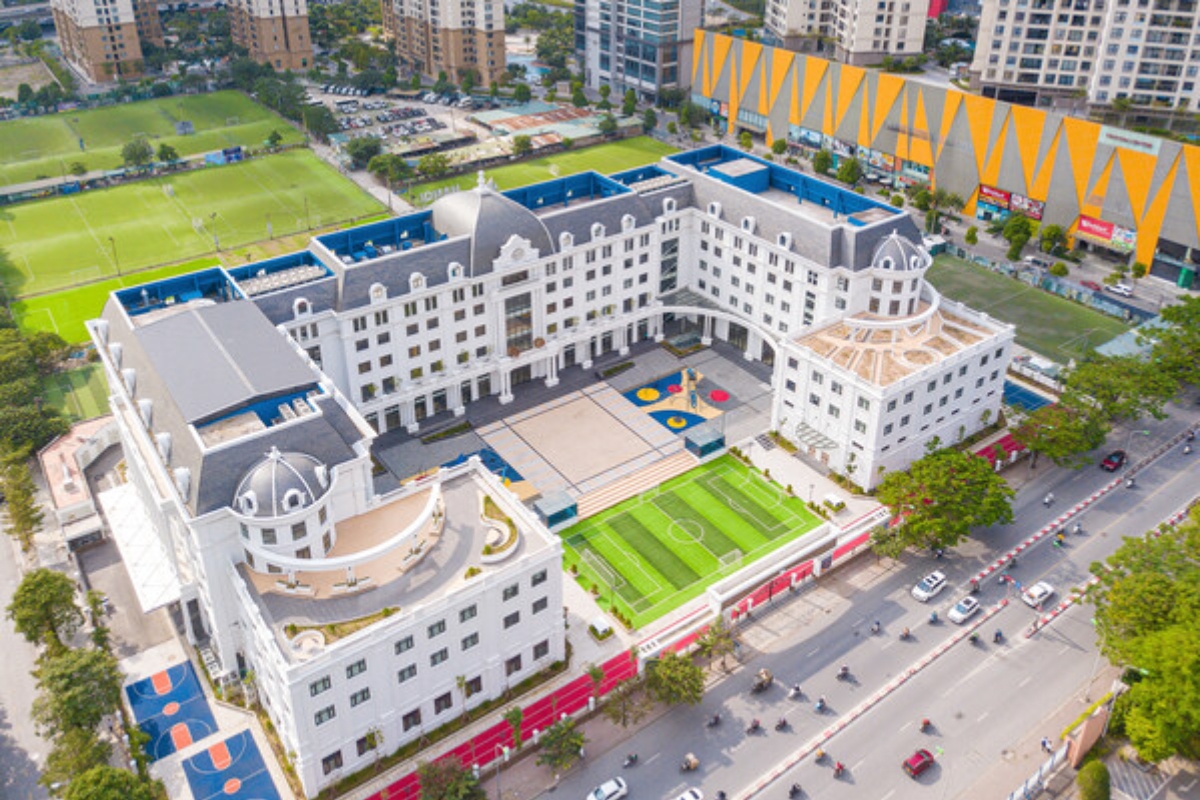
The ceremony will take place from 1.30pm to 3.30pm local time at Fairmont International School Vietnam, No. 6 Hoang Minh Giam Street, Yen Hoa Ward, Hanoi. The event will be held in person.
The opening adds another option to Hanoi’s growing international education landscape. For families, the combination of a U.S. Common Core-aligned curriculum, MOET pathways and planned Advanced Placement courses provides different routes through school and towards higher education.
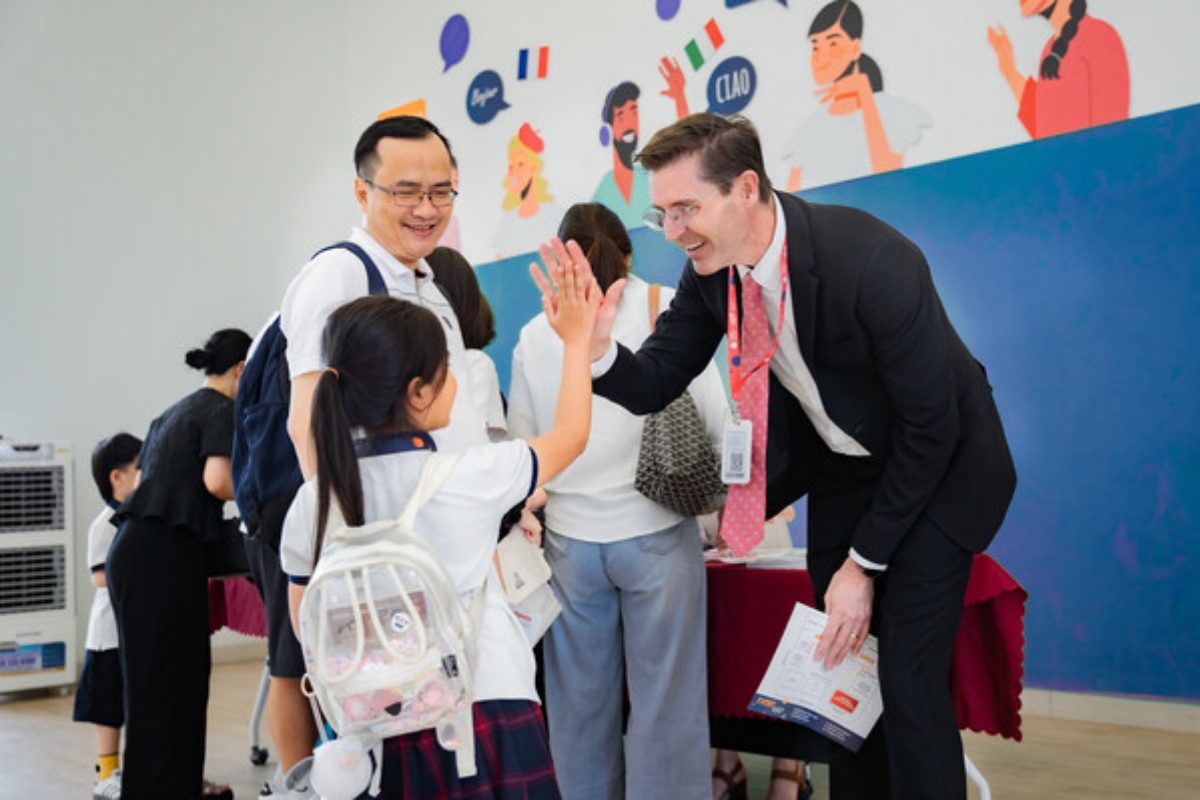
Meanwhile, students will have access to a wider international learning network through International Schools Partnership. The school also aims to provide opportunities for collaboration, cultural exchange and broader personal development.
For educators and school leaders, the launch highlights the continued interest in internationally aligned education in Vietnam. It also reflects the growing demand from families seeking education that can support both local and international university pathways.
Ultimately, Fairmont International School Vietnam brings an established American education name into a new regional setting. Its long-term impact will depend not only on the curriculum it offers, but also on how effectively it supports students, families and educators as the new school community develops.