
Taylor’s Schools has entered Thailand through the acquisition of four St Andrews International School campuses from Cognita.
The move gives the group a presence in a third Southeast Asian country and brings new opportunities for students, families and educators across its growing international school network.
The four campuses are St Andrews International School Sathorn, Dusit and Sukhumvit 107 in Bangkok, along with Green Valley on Thailand’s Eastern Seaboard. Each school will retain its name, identity and existing staff.
The acquisition takes Taylor’s Schools to 10 schools serving around 10,000 students across Malaysia, Singapore and Thailand. It also marks the group’s first expansion beyond Malaysia and Singapore.
Taylor’s Schools Begins Its Thailand Expansion
For families, the acquisition is significant because the schools already have established communities and established educational programmes.
The four St Andrews campuses have more than 25 years of history in Thailand. They serve Thai and international families across Bangkok and the Eastern Seaboard.
The schools offer the English National Curriculum alongside International Baccalaureate programmes. Some campuses provide education from the early years through secondary school, while others focus on younger learners.
Therefore, Taylor’s Schools is entering the Thai market through established schools rather than creating new campuses from the ground up.
Angelina Tee, who worked for Cognita for more than a decade before becoming CEO of Taylor’s Schools in January, said the acquisition had developed through relationships built in the region.
She described the deal as “an important step” for the group and indicated that further growth could follow.
“We’ll embed these schools and make sure we support them to deliver excellent personalised education, like the rest of our Taylor’s Schools, before we look at expanding further in Thailand.”
Green Valley Could Become An Outdoor Learning Hub
Further investment could also affect the learning opportunities available to students.
Tee said possible future development at St Andrews Green Valley could include boarding facilities and a purpose-built outdoor education centre.
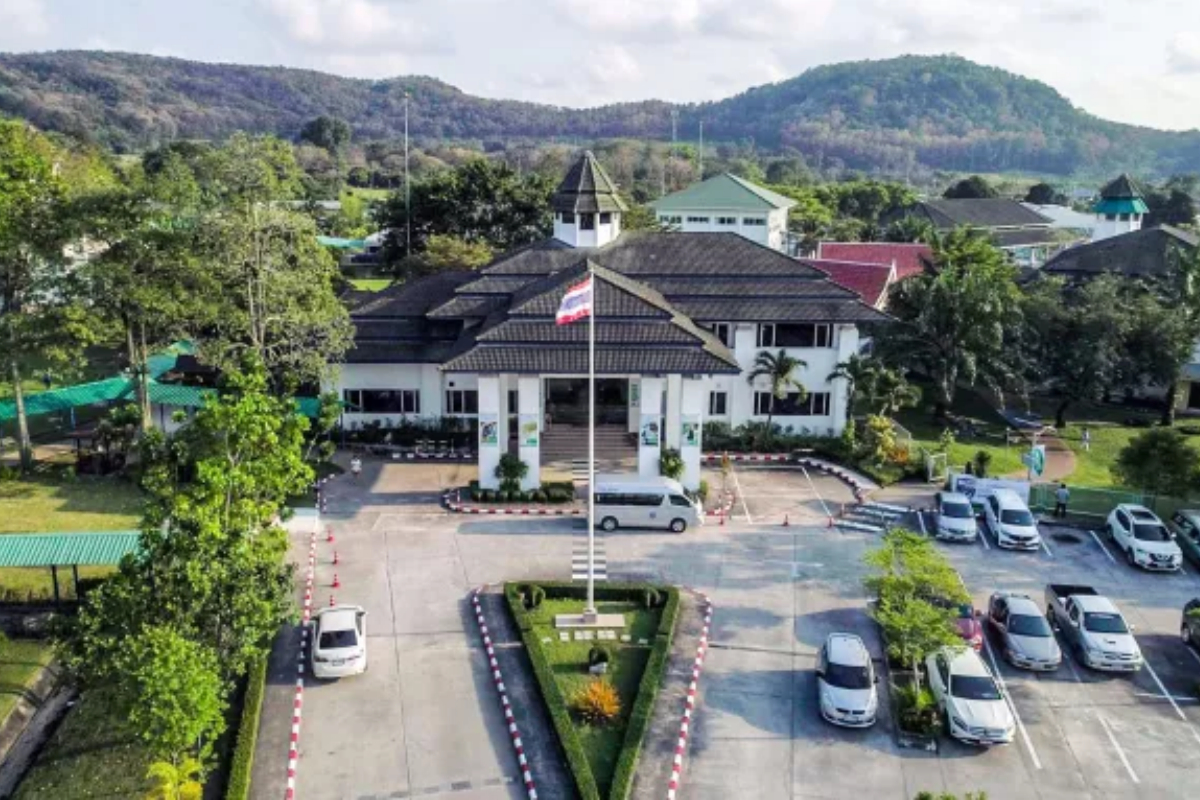
The Green Valley campus is located between Pattaya and Rayong and has extensive outdoor facilities, including sports areas, gardens, a swimming pool, a Forest School and several football fields. Ms Tee said,
“To be able to have an outdoor education centre is something I’m really passionate about, and Green Valley is a location that would really lend itself to that. “It’s a very open, green, luscious location and it would bring to life what I think is really important, which is all that education outside the classroom – the team building, collaboration, resilience and grit we want to build in our students.”
For educators, this could create opportunities to use outdoor settings as part of broader learning experiences. Meanwhile, students could benefit from activities that develop collaboration and practical skills beyond the classroom.
Thailand International Schools Face A Competitive Market
Taylor’s Schools is entering a market where international education already attracts both local families and expatriate communities.
Tee said Thailand remained “a strong market”, despite increasing competition from international school groups and UK schools opening affiliated campuses.
The St Andrews schools also have an established presence. According to the school network, the four campuses serve more than 1,600 students and bring together more than 50 nationalities.
The schools also offer different educational pathways. Green Valley, for example, provides the English National Curriculum, IGCSEs and the IB Diploma, while primary campuses such as Sathorn focus on younger pupils. Ms Tee said,
“As long as we make sure the facilities and the teaching quality justify the value proposition, we will continue to grow.”
For parents, this places attention on factors beyond the international school brand itself. Curriculum choices, teaching quality, facilities, student support and the continuity of education can all influence school decisions.
What The Expansion Means For Students And Schools
The acquisition does not create four new schools in Thailand. Instead, it brings four established campuses into a larger regional education group. The schools will keep their existing identities and staff, providing continuity for current students and families.
At the same time, joining a wider network could create opportunities for collaboration between schools in different countries.
Taylor’s Schools now operates across Malaysia, Singapore and Thailand. The larger network may provide scope for sharing educational practices, professional expertise and resources across campuses.
Tee has also previously indicated that the group expects to continue expanding. In an April interview with Tes, she predicted that Taylor’s Schools could have at least 15 schools within five years.
For education leaders, the Thailand expansion therefore offers a wider example of how established international schools can become part of regional education groups while retaining their individual identities.
For families, the immediate priority will remain the quality and continuity of education at each campus. Further investment will show how Taylor’s Schools develops the schools while responding to the needs of their existing communities.