Why Japan, and Why Now? The Rise of New International Schools Moving to Japan
Japan is attracting a new wave of British international schools, with campuses opening in Tokyo and beyond. We explore what is driving this expansion and what it means for families.
Japan has long had a respected international school community. Now, with a succession of well-known British schools opening campuses across the country, there is growing interest in what Japan has to offer. But why is this happening now?
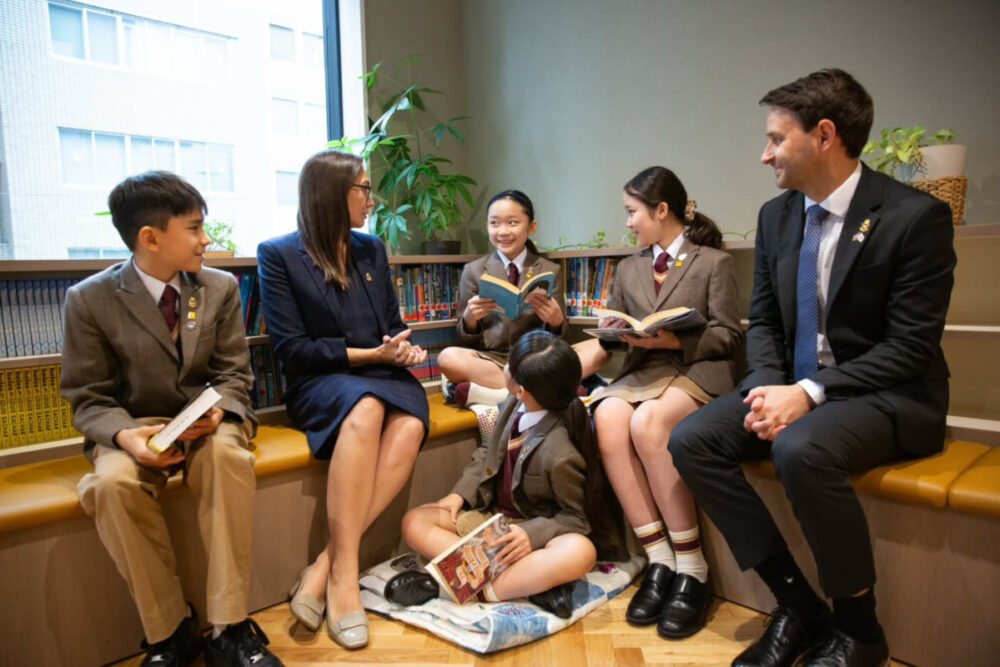
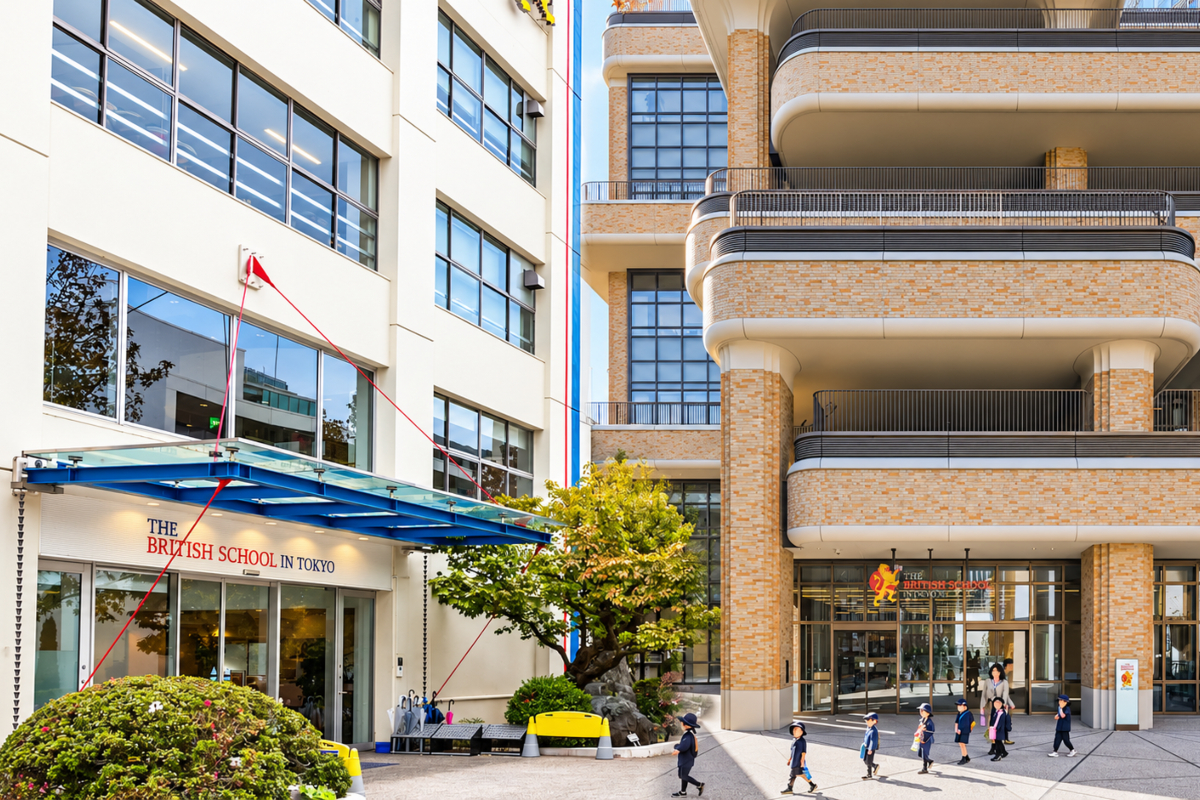
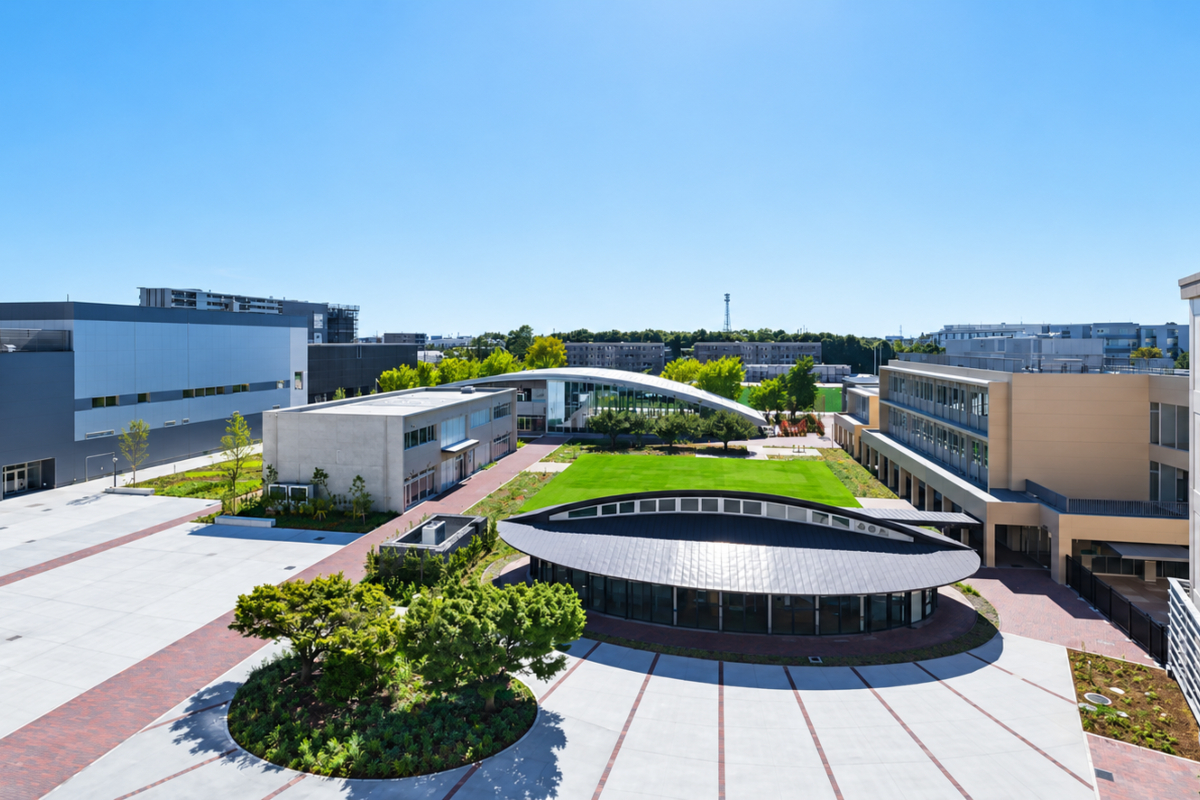
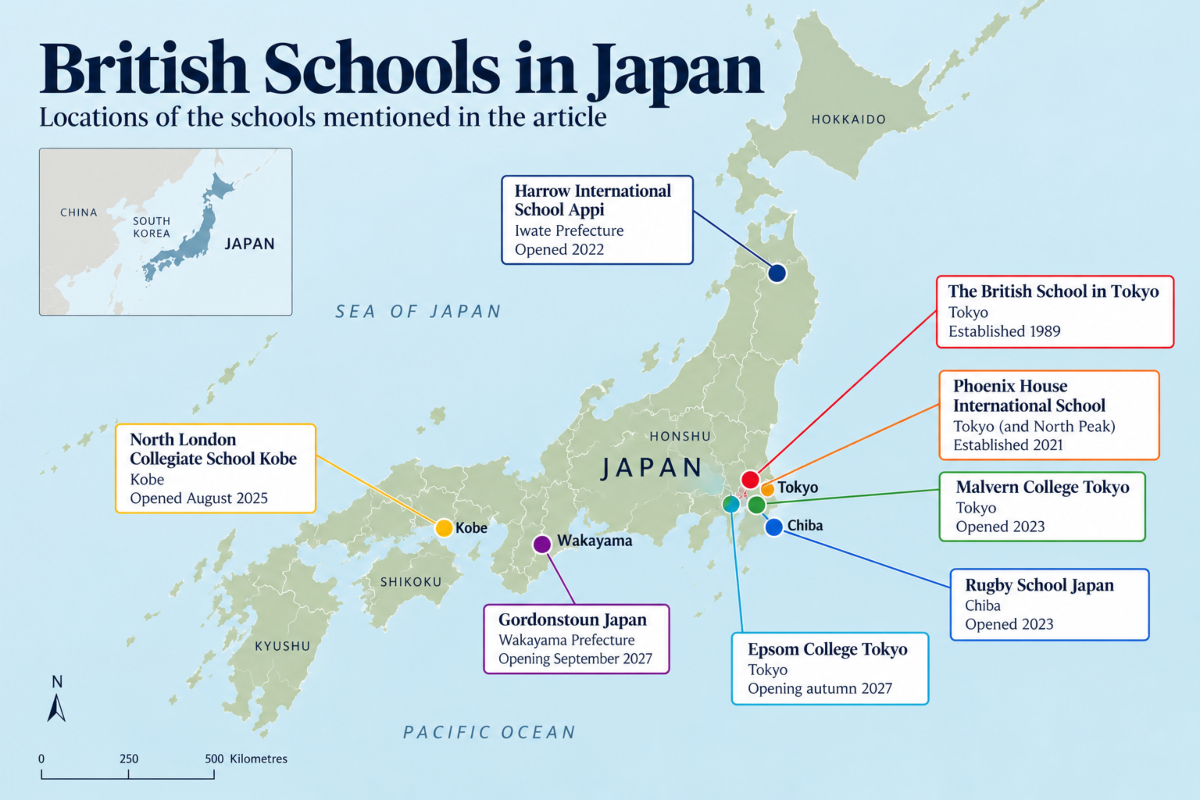
The British School in Tokyo has been part of Japan’s international education community since 1989. Over the years, it has grown alongside the families it serves, most recently with the opening of its Azabudai Hills campus. Phoenix House International School, established in 2021, has also made its mark in Tokyo’s British preparatory school sector. Alongside its city campus, the school has North Peak, a countryside campus where children enjoy residential stays, outdoor activities and time away from their usual classrooms.
Phoenix House International School
Japan has an established network of American, IB and other international schools, but the recent arrival of British independent school brands is particularly interesting.
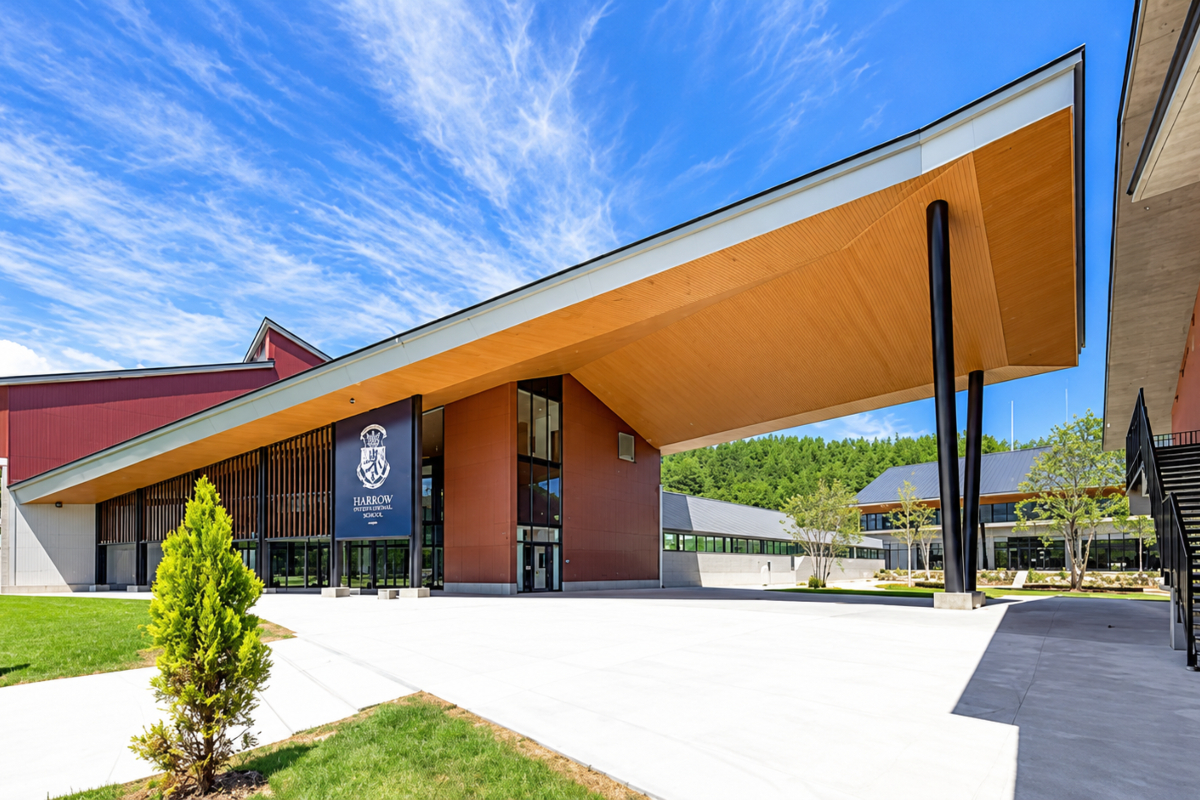
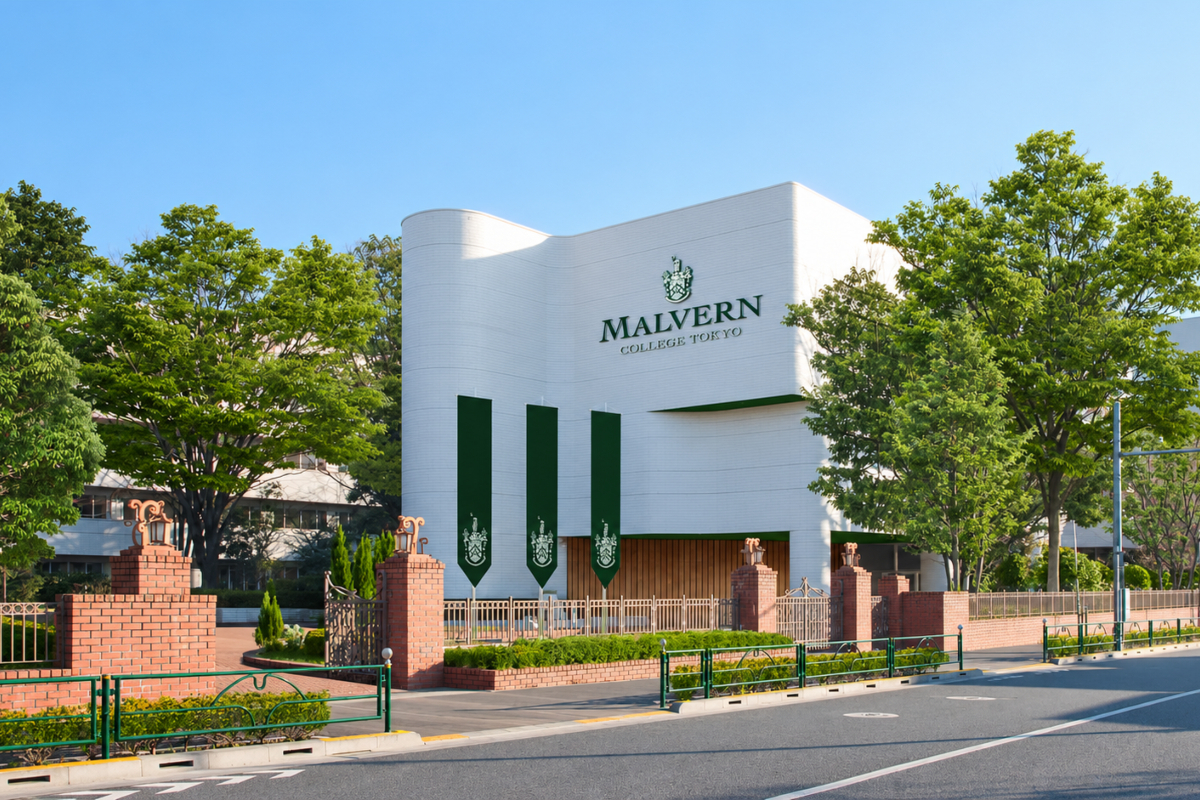
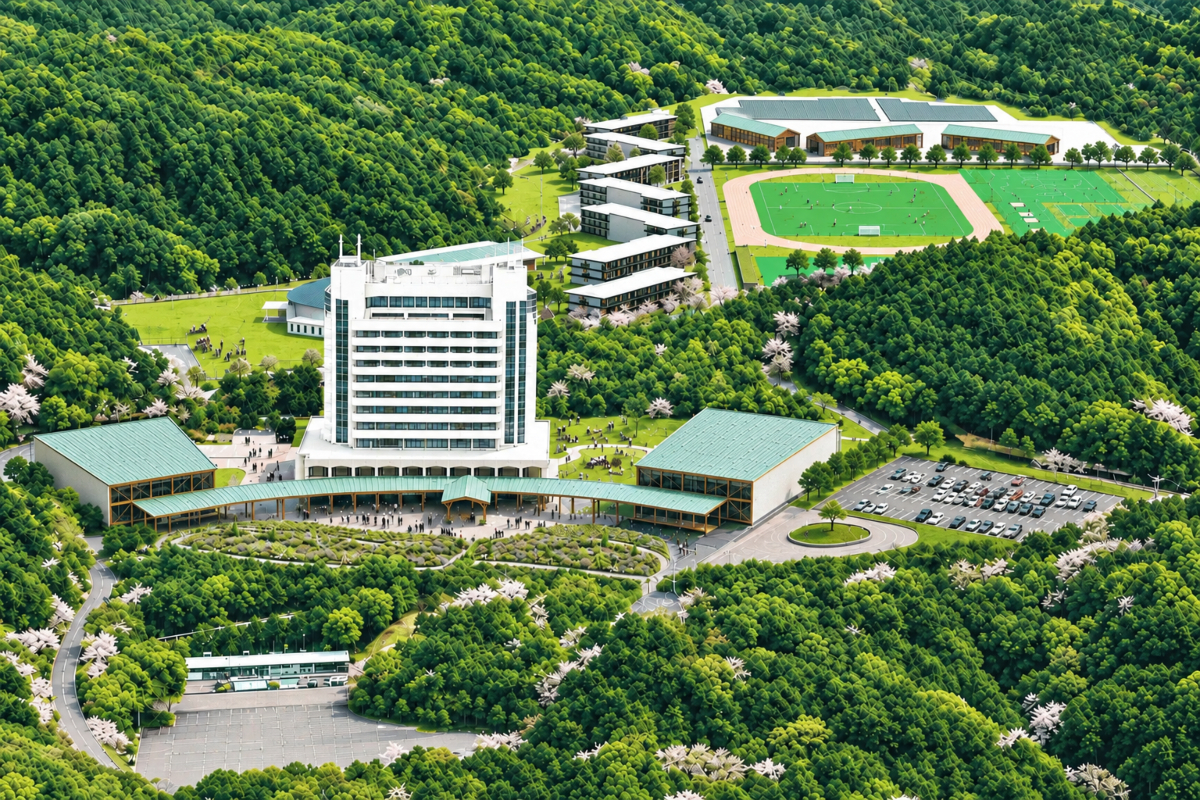
Harrow International School Appi opened in 2022, followed by Rugby School Japan and Malvern College Tokyo in 2023. North London Collegiate School opened NLCS Kobe in August 2025, while Gordonstoun Japan is preparing to open in Wakayama in September 2027. Epsom College Tokyo is also scheduled to welcome its first pupils in autumn 2027.
Harrow International School, Appi
Schools with established reputations are making substantial commitments.
So, What Has Changed?
The British School in Tokyo
Japan’s efforts to attract overseas investment and international business, alongside its position as one of Asia’s largest economies, are bringing new attention to the country. For internationally mobile families, its safety, excellent infrastructure, healthcare and high standard of living are considerable attractions. There is also interest in international education among Japanese families themselves. Parents considering overseas universities, international careers and bilingual education are exploring alternatives to traditional domestic schooling. British schools offering internationally recognised qualifications can appeal to both Japanese and expatriate families.
Location matters too. For families across East Asia, a British boarding education in Japan provides an alternative to sending children to the UK at a young age. Parents can remain geographically closer while their children experience British school traditions and English-language education.
North London Collegiate, Kobe
Different Schools, Different Educational Experiences
Rugby School Japan in Kashiwa
The variety of schools entering Japan is equally notable. Gordonstoun’s emphasis on outdoor education, expeditions and service is quite different from the academic traditions of NLCS, the boarding environments of Harrow and Rugby, or the preparatory education offered by Epsom. Families are being offered genuinely different approaches rather than a collection of schools following the same model. The geographical spread is also worth watching. Tokyo remains an important centre, but Harrow’s mountain setting in Iwate, Gordonstoun’s planned location in Wakayama and NLCS in Kobe demonstrate that international education is developing well beyond the capital. Boarding provision allows schools to attract families from a much wider area.
The variety of schools entering Japan is equally notable.
Epsom College Tokyo
There are challenges, of course. Japan has a declining school-age population, and international schools cannot assume that demand will automatically follow a British name. Fees, recruitment, local expectations and the ability to attract both Japanese and international families will influence their success. For years, much of the conversation around international school expansion has focused on the Middle East and other established Asian markets. Japan is now becoming part of that discussion, although its demographics and education culture require a different approach.
The Opportunity Is Clear, but So Are the Challenges
Malvern College Tokyo
The question is no longer whether British schools can succeed in Japan. Schools such as The British School in Tokyo have already demonstrated that they can. What remains to be seen is whether this latest wave of arrivals can build the enrolment, reputation and lasting relationships needed to become part of Japan’s education community.
Japan has not suddenly discovered international education. What has changed is the number of recognised British schools prepared to invest in it, and the range of educational experiences they believe families will value.
Japan has always had a strong international education community, but there is a real sense that something is changing. With more British schools preparing to open their doors, new approaches to education and greater choice for families, Japan is certainly a country worth watching.
Gordonstoun School Japan
And perhaps Japan is not alone. In the latest edition of Education Africa, we ask a similar question about Nigeria, where a growing number of recognised international school names are turning their attention to Lagos.
Two very different countries, but an interesting question for international education: why these markets, and why now?
INFOGRAPHIC: A map showing the locations of eight British international schools across Japan, including established campuses and schools scheduled to open in 2027.