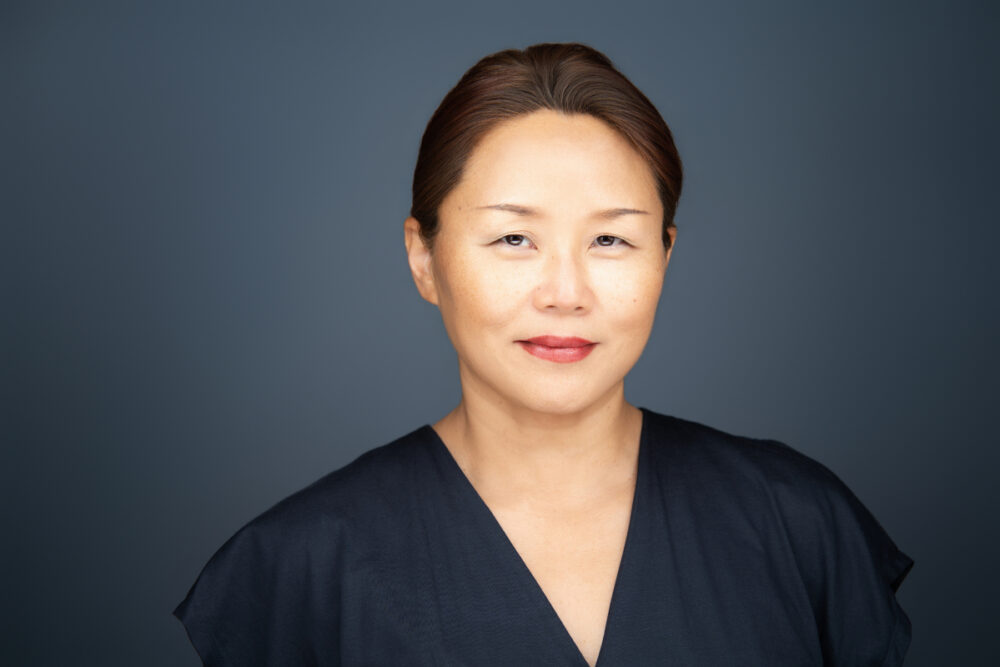

At the end of this academic year, I celebrate 34 years working in international schools, all but 18 months of which has been spent in Asia. I started in Dubai in 1993 and after 17 years left for a brief adventure in the South Atlantic and then onto South East Asia. Most of my time has been in what are commonly (and highly inaccurately) called British curriculum schools, although I am now leading my second IB school.
As an ex-Mathematics teacher, I enjoy the symmetry of 17 years in Dubai and now 17 years outside Dubai. Time to retire?!
There is nothing worse than an ex-expatriate pontificating on the way things were so, given the dramatic change in the Emirates since I left in 2010, I’ll stick to comments on changes in South East Asia where I am now, although I think there is some overlap.
A Crowded Market With A Local Face
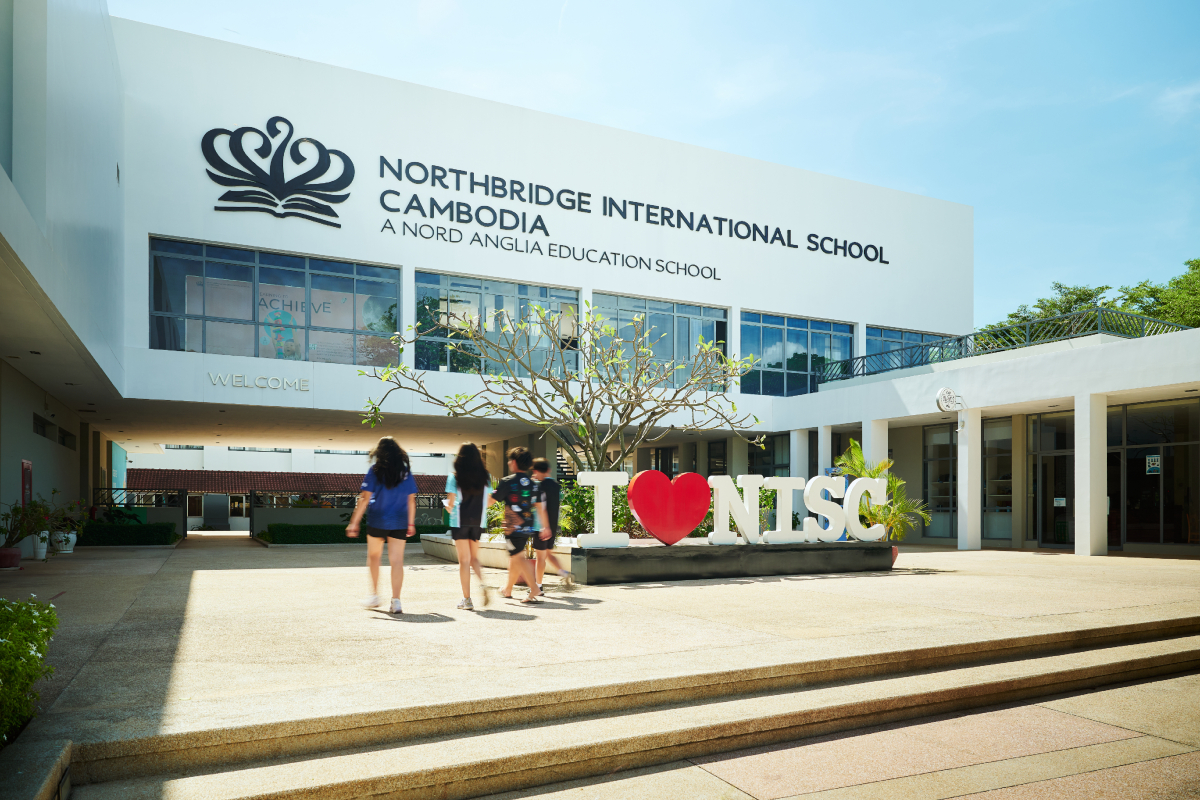
The two big (and linked) changes in international education over the last three decades are the explosion of the number of schools and the changing market (in most countries) to an increased local population. Schools have had to adjust to both these factors. Schools have had to adapt to the changing demographic. Parents pay the fees for the product on offer so this is a balancing act.
Change too much and you lose your USP. Keep to a highly UK-centric model and you alienate your learners (and possibly parents), or don’t attract them in the first place.
– Christopher Short, Interim Principal of Northbridge International School Cambodia
It’s therefore ironic that a significant percentage of the international school expansion has been led by (mainly) British independent schools franchising themselves to local partners. The most successful of these schools have shown remarkable agility as they enter the market.
Across all school models, some changes have been practical, newsletters in the local language for example, while others are more fundamental. The rise of bilingual schools in China and elsewhere is a sign of schools meeting the needs of parents who want an international style education but don’t want their children to lose their linguistic or cultural identity.
The upshot is the plethora of choice parents (and staff) now have. Even in quieter markets such as Cambodia, where I currently am, the options have grown remarkably. There is now the choice of two or three long-established heritage schools (such as mine), schools catering to specific curricula such as the Canadian and Australian, and now a choice of four UK franchised schools.
A More Professional Sector

Another change since the 90s has been the professionalism of the sector. Membership organisations have existed for a while, with both BSME and FOBISIA dating from the 80s, but it is relatively recent that they have required accreditation for membership. CIS, COBIS and more recently BSO accreditation have grown rapidly and give another layer of credibility for parents and staff.
The growth of school groups has also helped, with the best ones having tight internal QA processes and central policies on key areas such as Safeguarding and Health & Safety. My own organisation balances the need for schools to be responsible for their running and development with clear guidelines and, crucially, support in these key areas.
This growth in professionalism extends beyond the classroom, most visibly in marketing and admissions. A simple example is that school offices were often closed in the summer holiday, exactly at the moment prospective parents were looking for a school. Schools now employ specialists to grapple with social media, SEO, Google reviews and the like.
The days of the Head’s weekly email being the only source of school publicity are long gone. Luckily for Heads, there is still an avenue for their opinions: LinkedIn! Long-established schools have had to raise their game.
It’s easy to be the best school in the city when there are only a few, but as the market gets more crowded it is trickier to stand out.
– Christopher Short, Interim Principal of Northbridge International School Cambodia
Better Suppliers, More Diverse Staffrooms
International schools are much better served now by service providers. Rather than buy goods and services designed for the UK market, schools can now choose products tailored to the specific needs of international schools.
The Middle East is becoming a hub for innovation in education suppliers, with organisations such as The Safeguarding Alliance and Edsidera having bases in the region. This makes sense from a practical perspective, including time zones, as well as giving access to a large number of quality international schools.
A last welcome change to highlight is the increase in diversity of teachers to match the increased diversity of students and parents. British teachers of all backgrounds now ply their trade overseas, and they are joined by teachers from elsewhere who have accessed British teaching qualifications in their home country.
The more recent move to being able to gain English QTS while working overseas has helped teachers gain work in accredited schools and helped schools as recruitment gets tougher.