Countries across South East Asia have made remarkable educational progress in recent years, particularly in expanding access to education, surpassing many other developing regions in bringing children to school.
In 2025, Vietnam set itself an extraordinary national goal to become one of the world’s top twenty education systems by 2045.
This drive and ambition is replicated across school systems in the region, demonstrated by an increasing presence in the PISA (Programme for International Student Assessment) tests administered by OECD (Organisation for Economic Co-operation and Development), with Thailand participating since 2001 and Vietnam joining in 2012.
| More than 760,000 students | Across 91 countries and economies | Representing approx. 33 million 15-year olds |
More than 760,000 students took the PISA science, mathematics and reading tests in 2025, across 91 countries and economies, representing around 33 million 15-year olds across the world.
Whilst some domains saw an improvement in performance since 2022, overall reading scores saw particularly steep declines in the past three years, including in those skills that matter most in the AI age: evaluating information, making connections across multiple sources and thinking critically about what we read.
How Students Think Matters
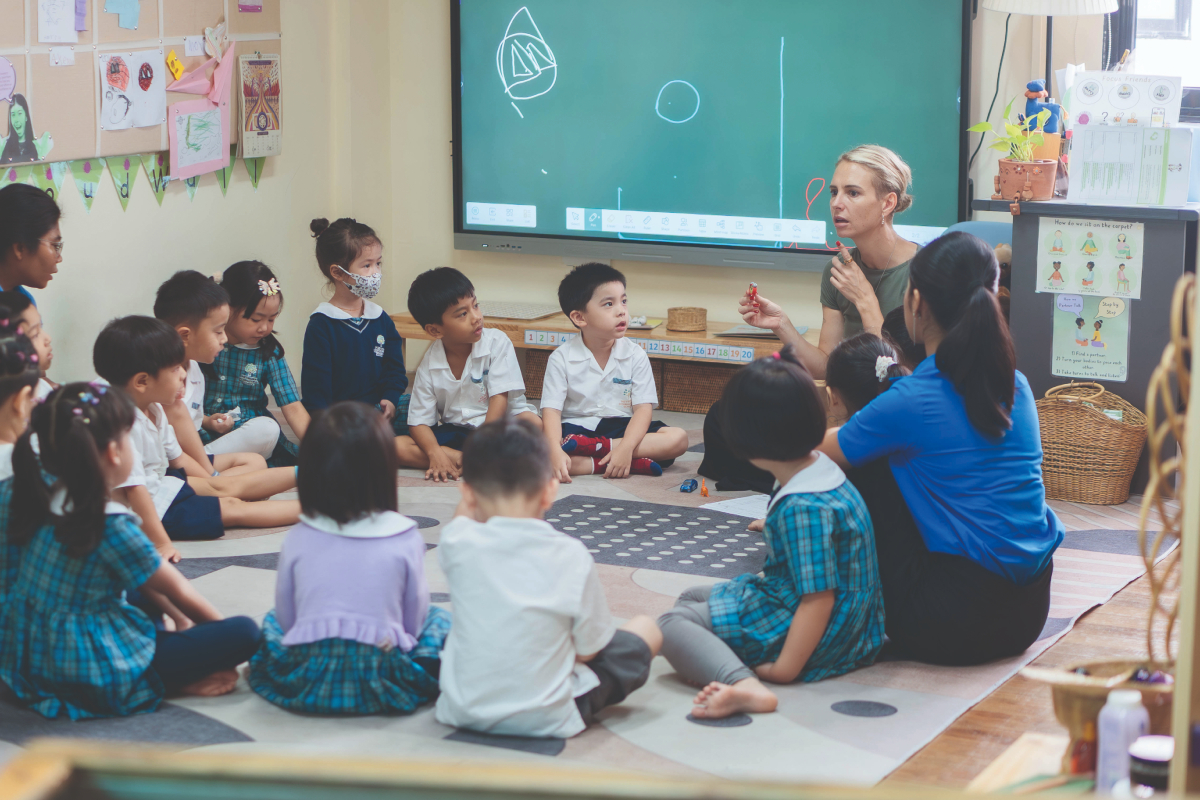
Young people live in a world where it is often difficult to distinguish misinformation from trustworthy evidence and they need the skills and confidence to question, weigh and judge information.
On average, across OECD countries, only 46% of students reported checking the credibility of information, surely a statistic which speaks to the need to engage children, and their parents, with how they learn, not just what they learn?
In addition to testing student performance in key academic areas, in 2025, PISA also asked students about their attitudes to learning, parental support and other aspects which support high performance at school.
Students who have a “Growth Mindset,” the belief that intelligence is cultivated through work, effort and feedback, score, on average 28 points higher in the PISA science tests than those who think intelligence is inherited or unchangeable.
Recognising that performance, in any area, requires agile thinking and the ability to apply knowledge in unfamiliar circumstances means that how we teach and what we expect from our students is as important as the content of our lessons.
This is an area where countries in the region still have work to do. In Vietnam the percentage of students who say they have this vital mindset stands at 52% and only at 36% in Thailand against an OECD average of 69%.
In a competitive world, mindset matters.
Thailand has recently launched a four-part education plan, directly in response to the country’s disappointing performance in these tests. Alongside structural support to ensure greater equality, the ministry plans to overhaul the school curriculum to focus more on growing critical thinking and problem-solving students.
Turning Ambition Into Practice
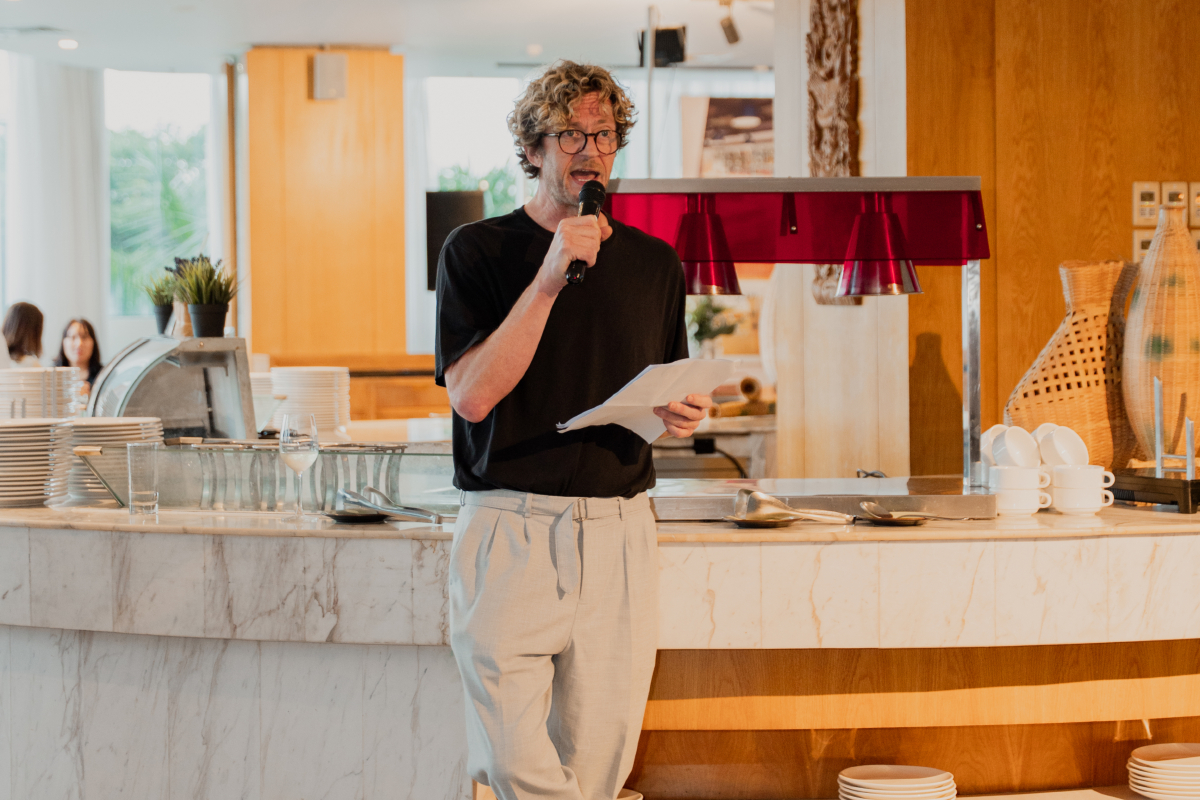
This why schools in South East Asia are engaging with High Performance Learning (HPL), a research-based pedagogical approach built on international research into cognition and performance.
HPL provides schools with a structured framework to develop both the advanced cognitive skills and the values, attitudes, and attributes that underpin academic and personal success. It is no longer sufficient to teach material to our students, we need to teach them how to think and how to operate in a complex global environment.
Great learners are made, not born, and we know how to make them.
Stephen Buckland, the principal of Network International School in Yangon, Myanmar talks about his vison, “to foster academic curiosity so that students achieve highly and become independent, engaged and responsible members of society.”
It is this ambition that drives the school’s deliberate programme of development, from a new study skills curriculum and whole-school literacy strategy to High Performance Learning, which began last year and is now shaping teaching and learning from the Early Years upwards.
Stephen goes on to explain, “HPL has given us a shared language for ambition that keeps high expectations for every learner, and every member of staff, at the centre of what we do.”
Creating a Culture of High Expectations
In a Vietnamese context, where teacher quality has been identified as both the greatest strength and the greatest constraint on reform, the HPL approach aligns perfectly with national priorities. It translates the ambition of reform into the daily rhythm of professional life.
The transformative potential of HPL is already visible in Nguyen Sieu School in Hanoi which was the first institution in the region to adopt the HPL framework, embedding its philosophy across curriculum, assessment and leadership practice. Since then, its progress has been striking.
Academic results have risen above global averages in IGCSE and A-Level examinations; students have secured exceptional SAT scores and scholarships to leading international universities; and the school has developed into a regional centre for teacher training and professional mentorship.
During its 2025 accreditation visit, assessors noted that:
The tangible positive impact on students is evident. HPL is actively shaping their development, fostering academic confidence, advanced cognitive skills, and valuable attributes, leading to impressive outcomes for all students, including improved exam results, significant awards, and unprecedented scholarship success. Students actively apply HPL skills in various contexts.
– HPSA Accreditation Feedback, 2025
This feedback reflects more than student achievement; it signals a cultural shift, a school in which teachers think deeply about learning, students take ownership of their progress, and excellence becomes habitual rather than exceptional.
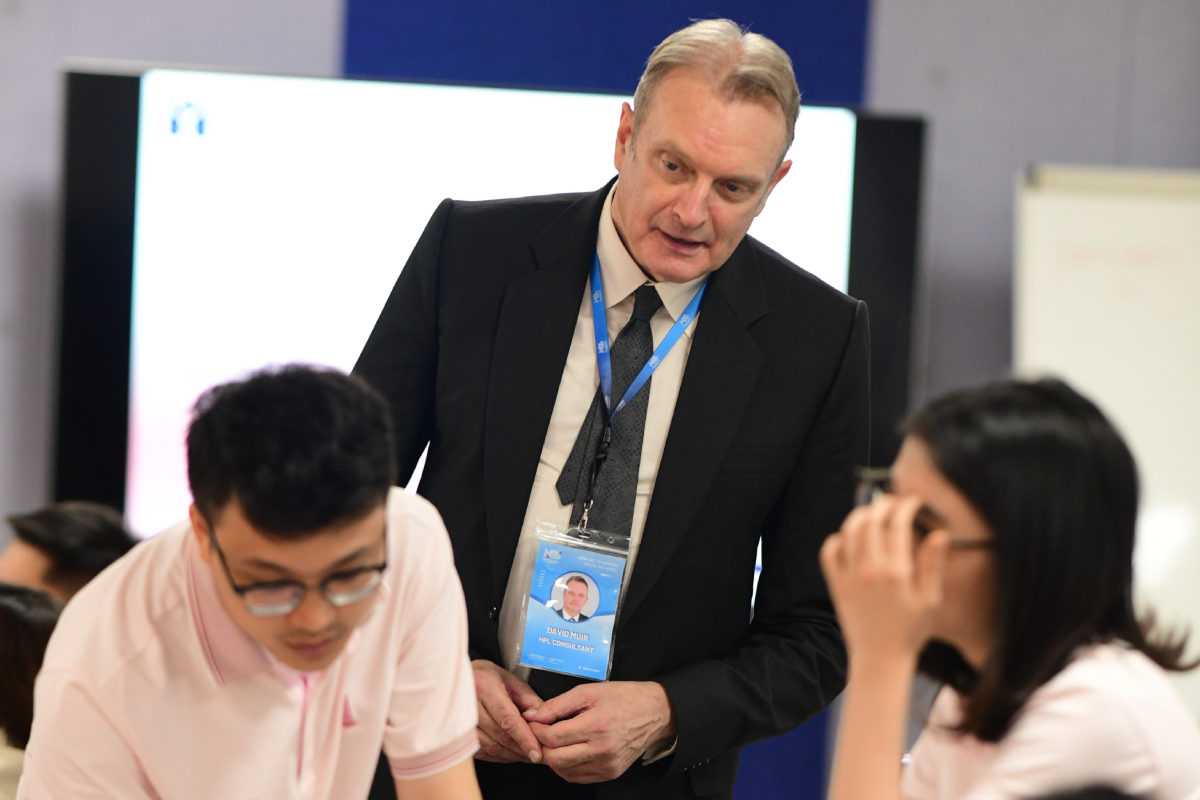
David Muir from High Performance Learning concurs,
If we want students to be reflective, open-minded, intellectually curious and resilient, those same qualities should be visible in the professional culture of the school.
Confidence, Challenge and Collaboration
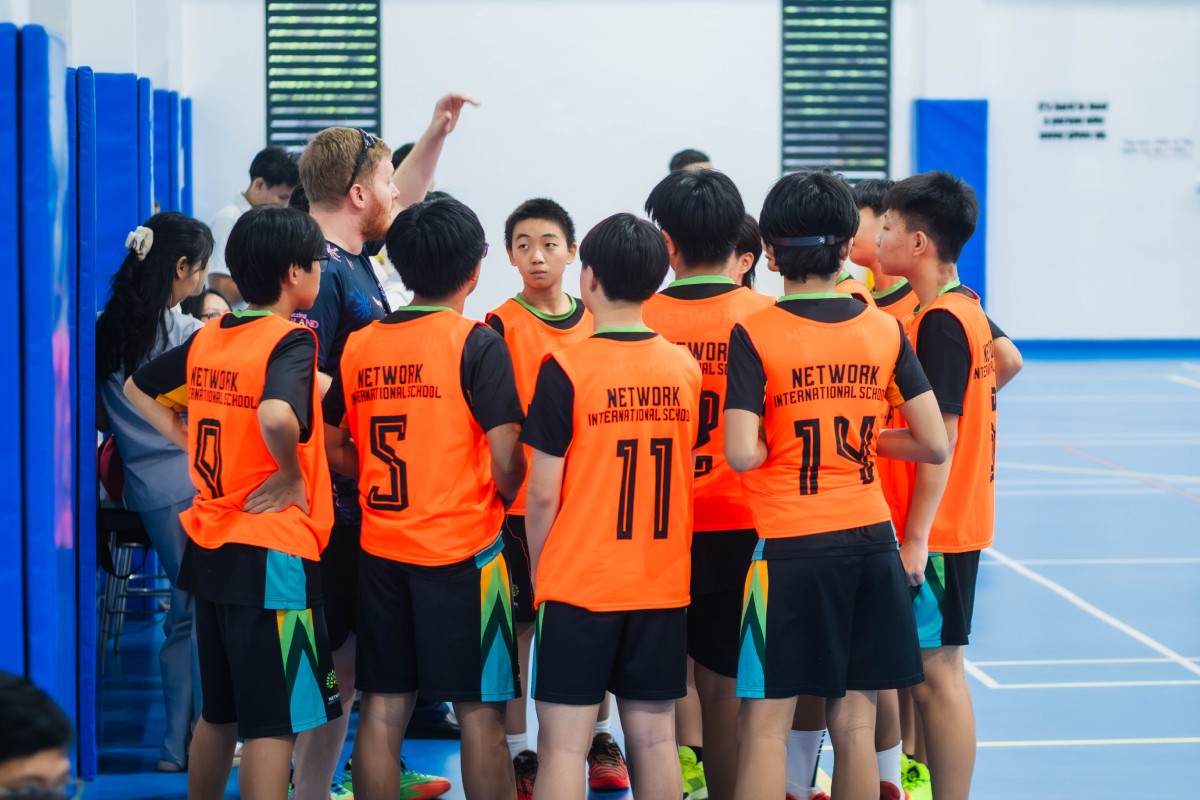
At Network International School, the oldest British International school in Myanmar, its early days with HPL but staff are noticing the impact. They speak about students being more confident with unfamiliar or difficult tasks, they persevere after mistakes and step outside their comfort zones.
In Physics, for example, students are increasingly willing to attempt multi-step questions and persist after an incorrect first attempt. HPL is influencing how staff plan and deliver learning, not just how they talk about it.
Rather than focusing exclusively on what students are being taught, conversations with teachers have explored how students think, how they respond to challenge, how they reflect on their progress.
PISA 2025 makes a general point about education for the modern world:
“Preparing young people to thrive in a rapidly changing world requires more than strong academic proficiency. Students need the motivation, agency and learning strategies that enable them to take ownership of their learning throughout their lives.”
Our children will grow up in an in a world which isn’t only increasingly complex but one which is increasingly global. Students need to understand what it really means to collaborate and how to work across borders to seek solutions to the challenges which face all of us.
Teachers at Network International School comment on encouraging signs of improved collaboration, more thoughtful participation and greater willingness to reflect. Some students are beginning to focus more on their own improvement rather than comparing themselves with classmates, in the words of one student:
“Now I think if I can do this, I can do that, and if I can do that, I can do another thing.”
That is Growth Mindset in action!
A Global Framework With Local Relevance
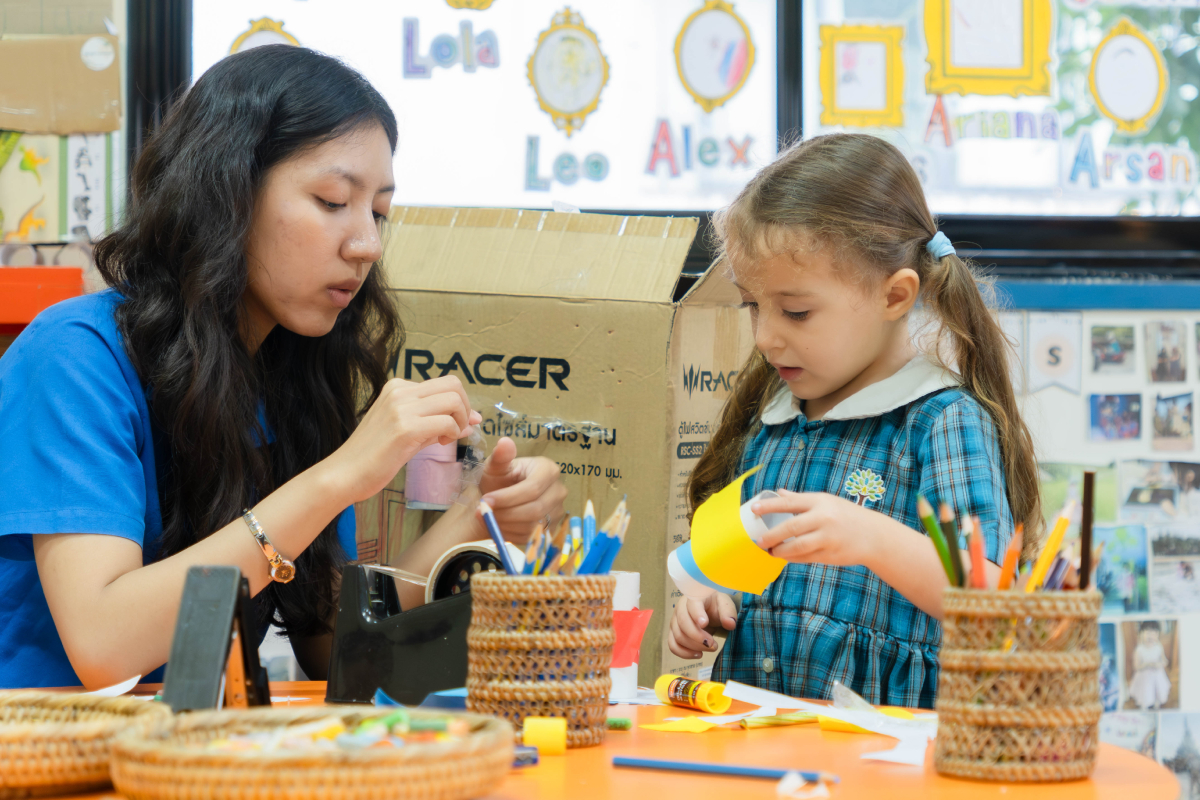
“Taken together the findings from PISA 2025 underscore the need for education systems to adopt a holistic approach to learning, one that values both proficiency and engagement.”
High Performance Learning provides a way to achieve that goal – not through replacement, but through reinforcement; not by adding another initiative, but by making existing aspirations tangible.
David Muir from High Performance learning said of his work with Nguyen Sieu School:
What I found particularly interesting was the opportunity to explore how HPL could be developed within a distinctive Vietnamese educational and cultural context. Successful implementation does not require schools to abandon their existing educational identities or traditions.
Indeed, I believe the opposite is true. HPL is most powerful when its principles connect with a school’s existing strengths, values and aspirations.
HPL offers a framework that is both global in reach and local in relevance, supporting schools across the region to deliver on ambitious visions and position their nations among the world’s leading education systems.
In David’s words, “The strongest implementation is not characterised simply by visible displays, terminology or activities. It is characterised by increasingly thoughtful teaching, ambitious expectations, reflective professional cultures and students who understand themselves as learners.”
With a philosophy that every child is capable of high performance, and a partnership model rooted in sustained professional growth, HPL offers a response to both the successes and challenges highlighted for the region in PISA 2025 and stands ready to help schools across South East Asia.