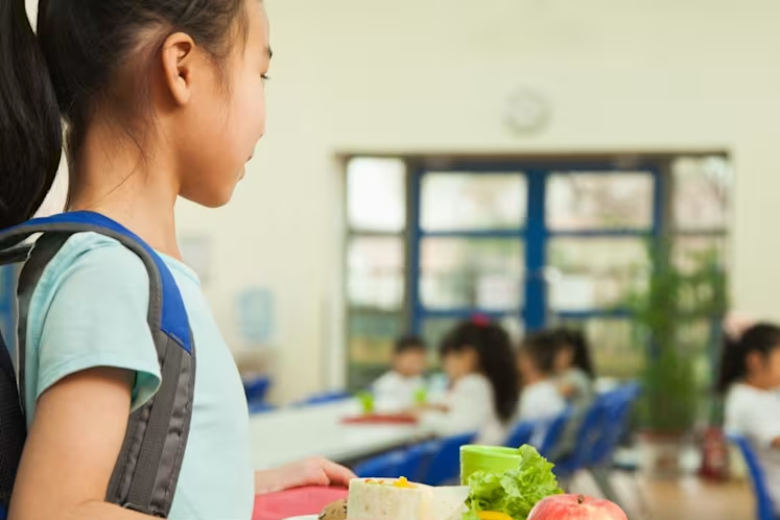
For children, a healthy meal is about more than filling an empty stomach. The food they eat during the school day can support their energy, concentration and long-term eating habits.
That makes healthy meals an important part of school life, alongside lessons, play and physical activity.
In Singapore, schools and preschools are taking steps to make healthier food choices easier for children. The approach includes guidance for canteen vendors, healthier meal options and resources that help children learn about food.
This is also becoming particularly relevant as Singapore expands personalised health plans to more preschool and primary school children.
For parents, it raises a useful question. What does a healthy school meal actually look like, and how can families encourage similar habits at home?
Why Healthy Meals Matter During The School Day
Children need a range of nutrients as they grow. A balanced meal can provide energy for lessons and activities while helping children develop a positive relationship with food.
However, healthy eating does not mean every meal needs to be perfect.
For parents, a useful starting point is variety. Meals can include wholegrains, vegetables, fruit and a source of protein, while limiting foods and drinks that are high in sugar, salt and unhealthy fats.
Children also learn from repetition. Offering different vegetables, fruits and wholegrain foods regularly can help make these foods a familiar part of everyday eating.
The school environment matters too. Children spend a significant part of their day at school, and the choices available around them can influence what they eat.
Singapore’s Health Promotion Board says schools can play an important role in establishing lifelong healthy habits.
Simple Healthy Meal Tips For Parents
Healthy eating does not have to mean complicated recipes or expensive ingredients.
Parents can start with a few simple habits at home.
Build A Balanced Plate
Try to include a wholegrain food, vegetables and a source of protein in main meals. Fruit can also be included as part of the meal or as a snack.
For younger children, portions should be appropriate for their age rather than simply matching an adult serving.
Make Water The Everyday Drink
Water is a simple choice to make available throughout the day.
Singapore’s Healthy Meals in Schools Programme requires plain water to be available and encourages it as the preferred beverage. Sugar-sweetened drinks are discouraged under the programme.
Parents can reinforce this at home by making water easy for children to access and carrying a reusable bottle when they are out.
Keep Highly Processed Foods Occasional
Children will naturally enjoy foods such as crisps, sweets and processed snacks. The aim does not have to be to remove them completely.
Instead, parents can focus on balance and frequency, while offering fresh or minimally processed foods more often.
Singapore’s school food guidelines discourage processed foods, partly because they can contain high levels of sodium.
Let Children Take Part
Children can become more interested in food when they have some involvement in choosing and preparing it.
Younger children might wash fruit or choose between two vegetables. Older children can help prepare a simple lunch or read food labels with a parent.
These small activities can turn healthy eating into something children understand rather than simply a rule they have to follow.
How Singapore Schools Are Supporting Healthier Eating
Singapore has established programmes that bring healthy eating into the school environment.
The Health Promotion Board’s Healthy Meals in Schools Programme encourages healthier food and drink choices through collaboration between teachers, canteen vendors and students. Participating canteens are expected to follow food service guidelines covering areas such as wholegrains, fruit, vegetables and protein. They are also encouraged to reduce fat, sugar and sodium.
Schools can receive guidance on healthier ingredients and educational resources, while nutritionists and dietitians can assess participating schools and provide feedback to canteen vendors.
The approach also extends to younger children.
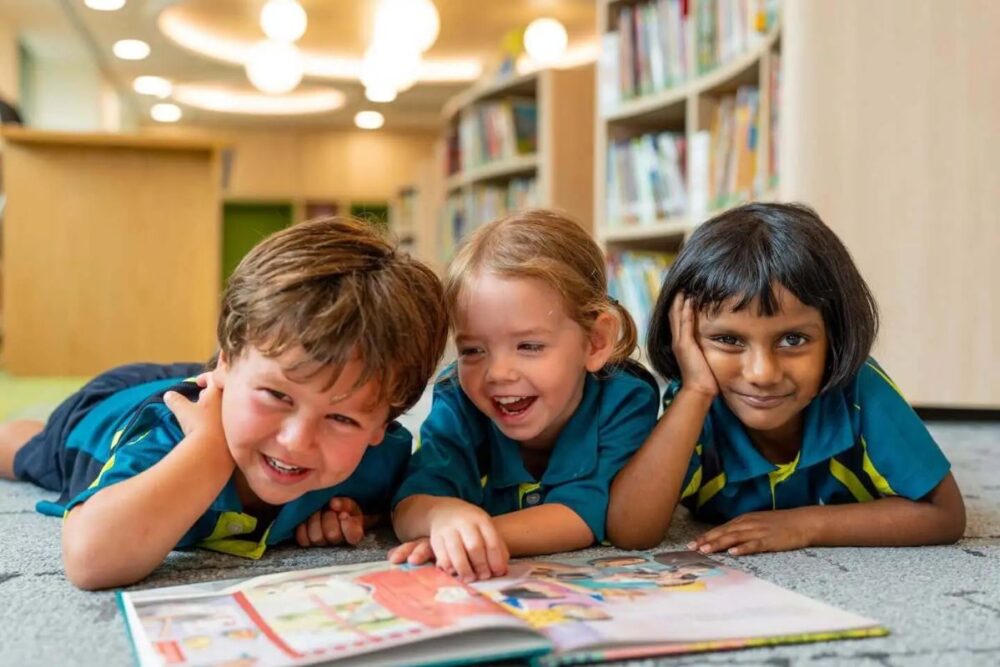
Singapore’s Healthy Meals in Preschools Programme supports preschools in providing healthier meals and teaching children about eating well. Preschools that provide food must follow the relevant programme guidelines under the Early Childhood Development Centres regulatory framework.
The guidelines cover areas including wholegrains, fruit, vegetables and protein, alongside recommendations to reduce fat, sugar and sodium.
This means healthy eating can become part of a child’s routine before they even reach primary school.
Making Healthy Eating A School And Family Habit
The most useful approach may be one that connects what children see at school with what happens at home.
A child who learns about balanced meals in class can reinforce that knowledge by helping prepare dinner. Similarly, parents can ask children what healthy options they had at school and talk about why different foods are included.
This consistency can make healthy choices feel normal rather than restrictive.
Singapore’s wider health initiatives are also putting greater emphasis on helping children develop healthy routines. Its expanded personalised health plans cover areas including physical activity, healthy eating, screen use and sleep.
For parents, the message is straightforward. Healthy eating does not need to become another source of pressure. Small, consistent choices at home, supported by healthier environments at school, can help children build habits that stay with them as they grow.