Schools across Asia are rightly asking big questions about the future. How do we prepare young people for a world being reshaped by AI? How do we equip students for jobs that may not exist yet? How do we help them think clearly, act responsibly and adapt in a world that feels more uncertain by the year?
These are important questions. But they are not the only ones.
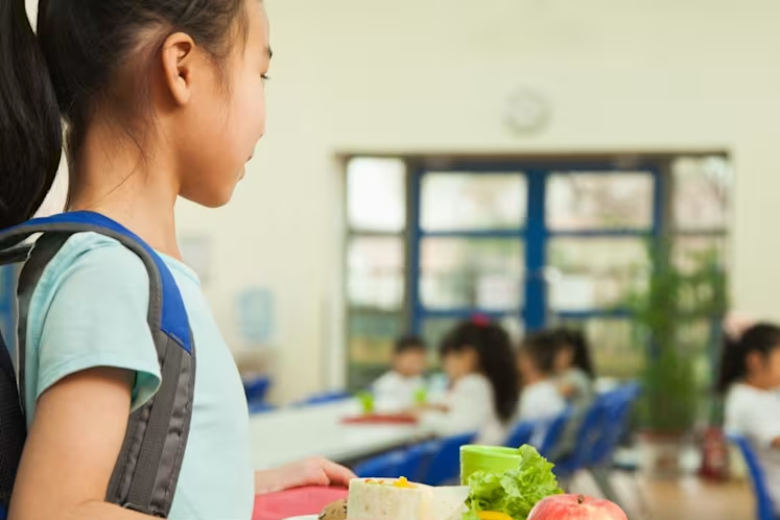
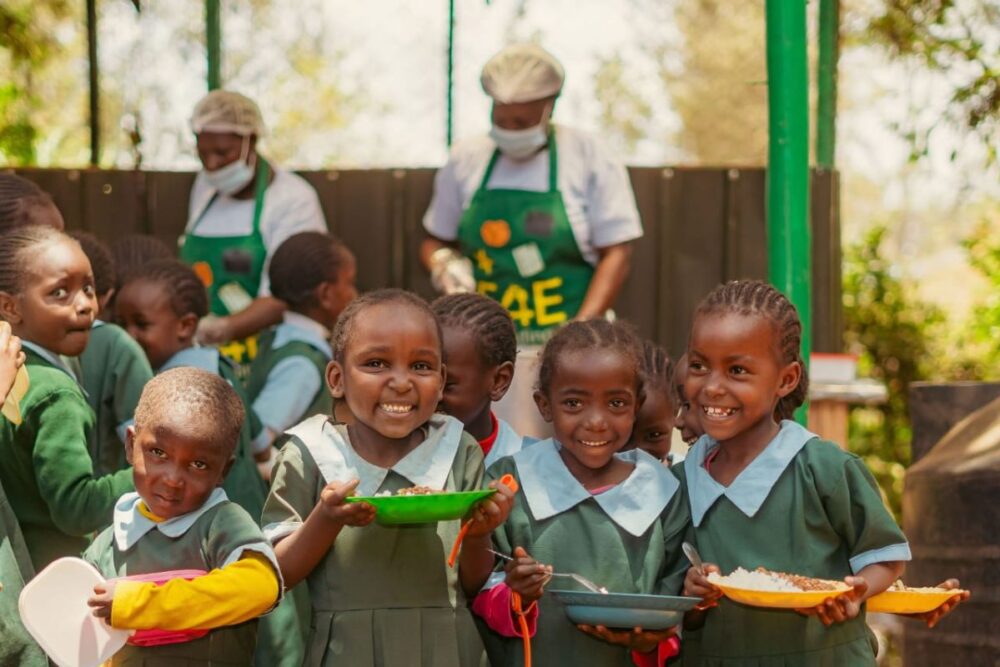
Because while many schools are focused on innovation, technology and the future of work, there are children in other parts of the world facing a far more immediate challenge: whether they can learn properly at all because hunger is getting in the way.
Understanding the Real Barriers to Education
That contrast matters.
It is one thing to talk about preparing students for a rapidly changing world. It is another to help them understand that for many children, the biggest barrier to education is not AI or automation. It is food insecurity, rising living costs and economic pressure at home. If a child is hungry, concentration drops. Attendance suffers. Energy disappears. Potential gets lost for reasons that have nothing to do with talent.
Rethinking the Purpose of School Trips
That is why school trips need to mean more.
Too many educational trips are still built around exposure without real contribution. They may be enjoyable, memorable and well organised, but that is not enough. If students are taken out of school and into the world, the experience should matter. It should teach something real. It should ask something of them. And it should leave behind something of value.
A Model That Creates Lasting Impact
That is exactly why Kapes Adventures was built, and why one of its core programmes in Kenya, Seeds2Education, sits at the centre of its work.
Seeds2Education is not a concept. It is a real trip with real impact.
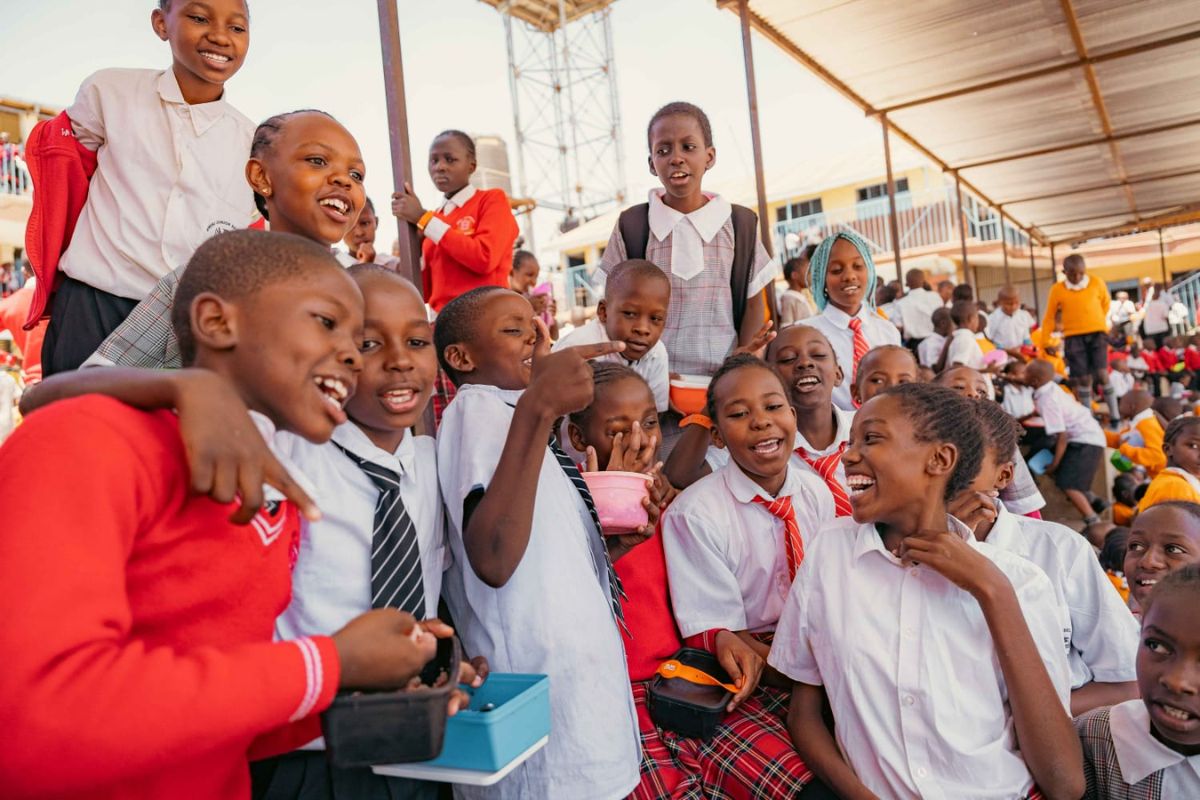
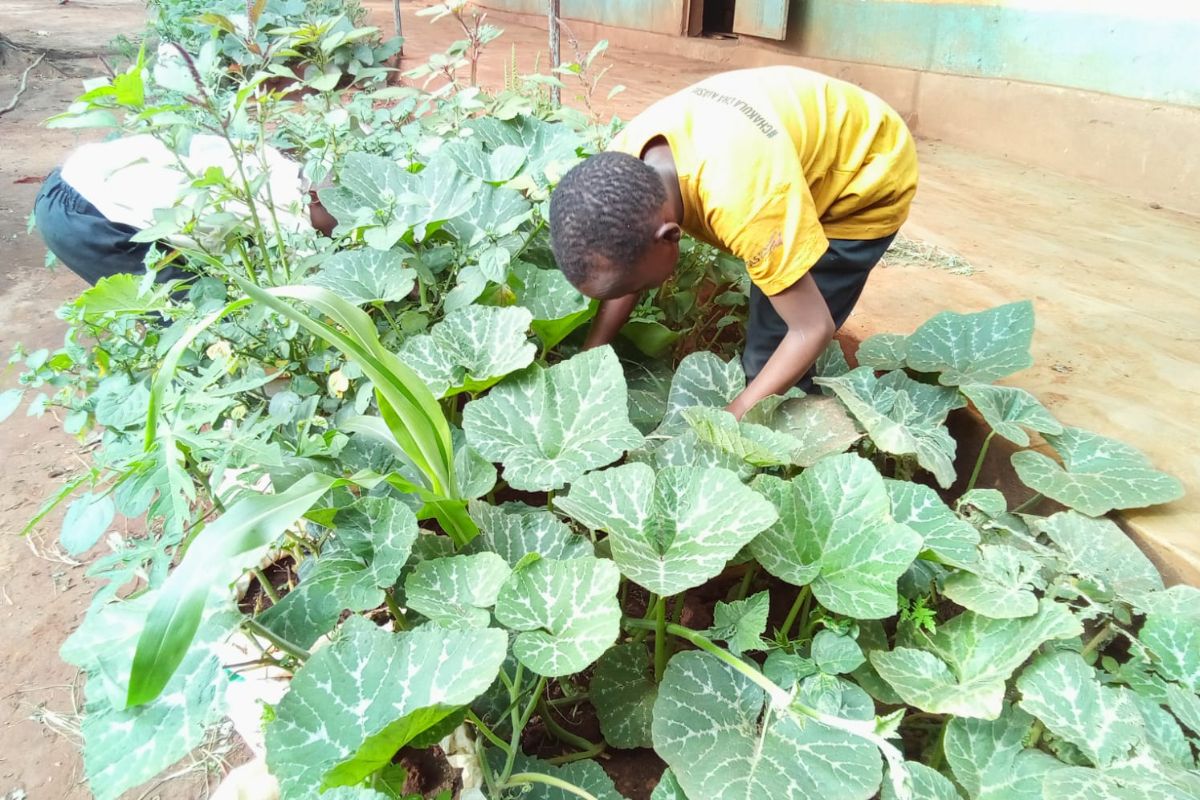
Students are taken into partner schools in Kenya and work alongside local communities to turn unused land into productive farmland. That land grows produce. It creates jobs for local people. It teaches practical agricultural skills. It gives schools a way to use an existing resource to tackle one of the biggest barriers to learning: hunger.
The impact does not stop when visiting students leave. That is the whole point.
Produce is exchanged with an NGO in return for meals. Local community members are employed and trained so the project continues. Skills stay behind. The land remains productive. The school is stronger than it was before. Students from Asia do not arrive for a symbolic experience and disappear. They become part of a working model that continues to support children long after the trip is over.
Moving Beyond Words to Meaningful Action
That is what educational travel should look like.
Schools talk a lot about global citizenship, service and sustainability. Those words are easy to print in a prospectus. They are harder to live. Students and parents know the difference. They can tell when something is built for optics and when it is built to matter.
Seeds2Education matters because it connects young people to a real issue in a real place, and shows them that meaningful impact is usually practical. It is not abstract. It is not performative. It comes from listening, working with local communities, understanding the systems around a problem and building something that lasts.
Why This Matters More Now
This also feels particularly urgent right now.
Global systems have already shown how fragile they can be. Conflict in the Middle East has pushed food security concerns back into sharp focus, with the threat of wider disruption to supply chains and rising costs affecting families far beyond the region itself. When the price of essentials rises, it is always lower income communities who feel it first. For struggling families, increased food costs do not just create hardship at home. They create barriers to education.
Preparing Students for the Real World
That is why this kind of school trip matters more now, not less.
Students in Asia are growing up in a world of fast moving headlines, AI tools and constant talk about disruption. But how many truly understand the day to day reality facing children in communities where school attendance and classroom performance are shaped by whether there is enough food to eat? How many understand what resilience looks like when it is not a buzzword, but a necessity?
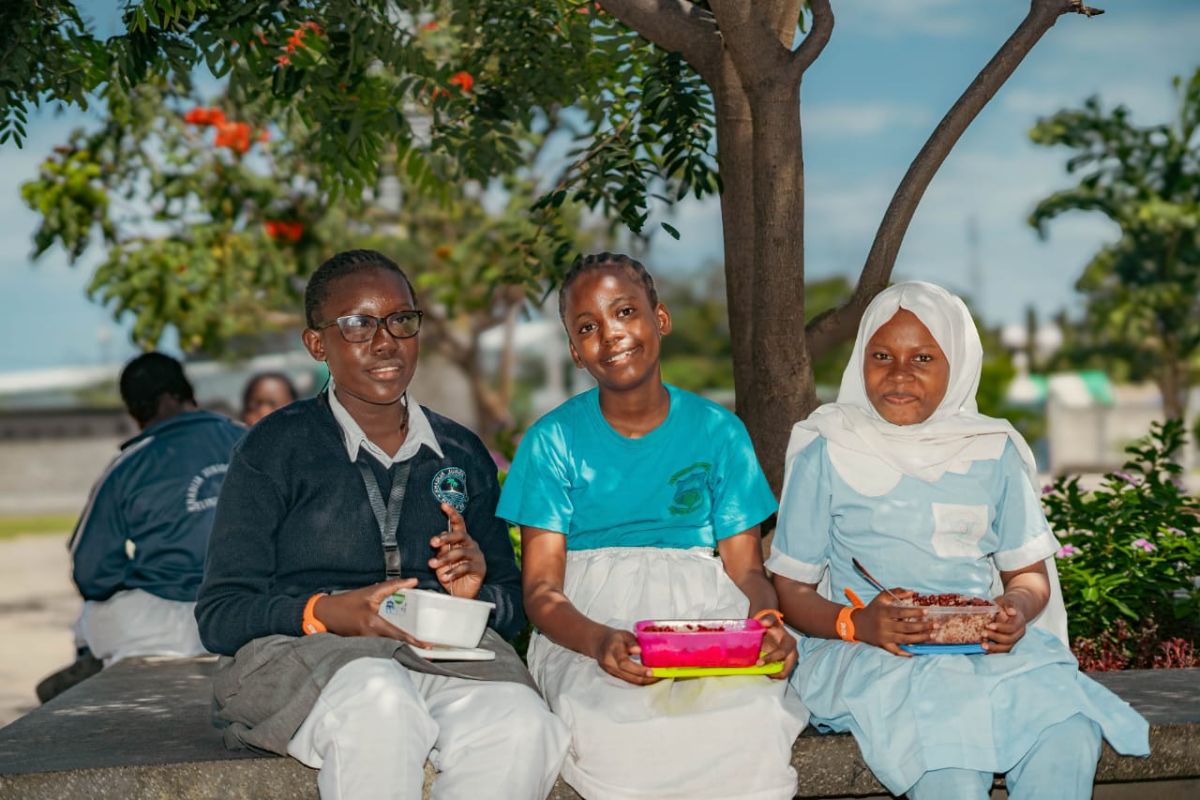
That is what these programmes make visible.
They help students step outside their own context and understand the world more honestly. They show that leadership is not about saying the right things. It is about doing useful work, with humility, in partnership with others. They remind students that education is not just about personal advancement. It is also about responsibility.
A Call for More Meaningful School Travel
In a world that is constantly changing, schools should not just talk about change, but be part of it next year.
Not through another superficial trip, but through an experience that challenges students, broadens perspective and leaves behind something real.
That is the kind of school travel worth making time for. And that is the standard that should be aimed for.