
When FOBISIA was founded in 1988, the educational landscape across Asia looked very different from the one we know today.
There were relatively few British international schools in the region, communication was slower, travel was less frequent, and schools often operated in relative isolation.
While there was certainly a strong sense of purpose among school leaders, opportunities to learn from one another, share expertise, and build meaningful partnerships across borders were far more limited than they are today.
From a Small Association to a Regional Community

The founding Members of FOBISIA recognised the value of bringing schools together. What began as a relatively small association has grown into a thriving network of more than 100 member schools across Asia, supporting thousands of educators and tens of thousands of students each year.
Our greatest strength lies in our collective willingness to help one another.
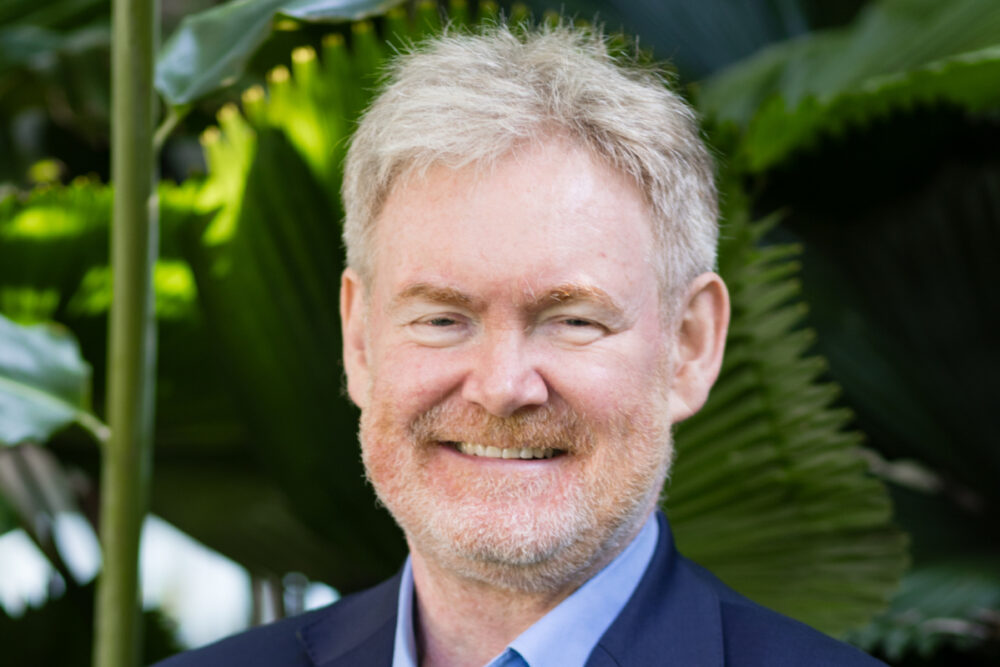
– John Gwyn Jones MBE, CEO of FOBISIA

The growth of FOBISIA reflects a wider change within international education. Over the past three decades, schools have increasingly recognised that collaboration is not simply beneficial, it is essential.
I remember attending some of my first regional gatherings of school leaders and being struck by how valuable it was simply to sit in a room with people facing similar opportunities and challenges. Conversations that began over coffee often proved just as valuable as the formal sessions. There was a willingness to share ideas, discuss challenges openly, and support one another.
That spirit remains one of the defining strengths of international education in Asia today.
Throughout my years as a school leader, one lesson became increasingly clear: no school has all the answers.
– John Gwyn Jones MBE, CEO of FOBISIA
Whether the issue was recruitment, curriculum development, safeguarding, student wellbeing, leadership, or more recently artificial intelligence, there is always value in learning from the experiences of others. Some of the most successful initiatives introduced in the schools I led were inspired by conversations with fellow educators who were willing to share their own journeys.
This belief in the power of collaboration sits at the heart of FOBISIA.
While the scale of FOBISIA has changed considerably, the underlying purpose remains remarkably consistent: bringing schools together for the benefit of students, staff, and the wider educational community.
One of the aspects of FOBISIA that continues to inspire me is the willingness of educators to contribute to something larger than their own school. Every year, hundreds of teachers, leaders, and support staff volunteer their time to organise events, lead professional learning, serve on committees, and share their expertise with colleagues from across the region.
That culture of generosity is something special.
Collaboration at the Heart of FOBISIA

Today, collaboration takes many forms across the FOBISIA network. Through conferences, webinars, safeguarding initiatives, job-like workshops, and committee work, educators have opportunities to connect with colleagues who share similar roles, challenges, and ambitions. These professional networks help schools learn from one another and strengthen practice across the region.
Alongside this, our extensive programme of student events provides opportunities for young people to come together through sport, the arts, academic competitions, leadership activities, and service learning.
The pace of change in education is accelerating. New technologies are transforming the way we teach and learn.
– John Gwyn Jones MBE, CEO of FOBISIA
While these events celebrate achievement, they also foster friendship, cultural understanding, confidence, and personal growth. Together, these staff and student opportunities create something far greater than a calendar of events. They create a genuine educational community.
The COVID-19 pandemic provided perhaps the clearest example of the importance of collaboration.
During a period of unprecedented disruption, schools across the FOBISIA network shared resources, strategies, and support. Leaders who had never met before found themselves working together to solve common challenges.
What emerged was a powerful reminder that our greatest strength lies not in individual institutions, but in our collective willingness to help one another.
Why Strong Educational Networks Matter More Than Ever
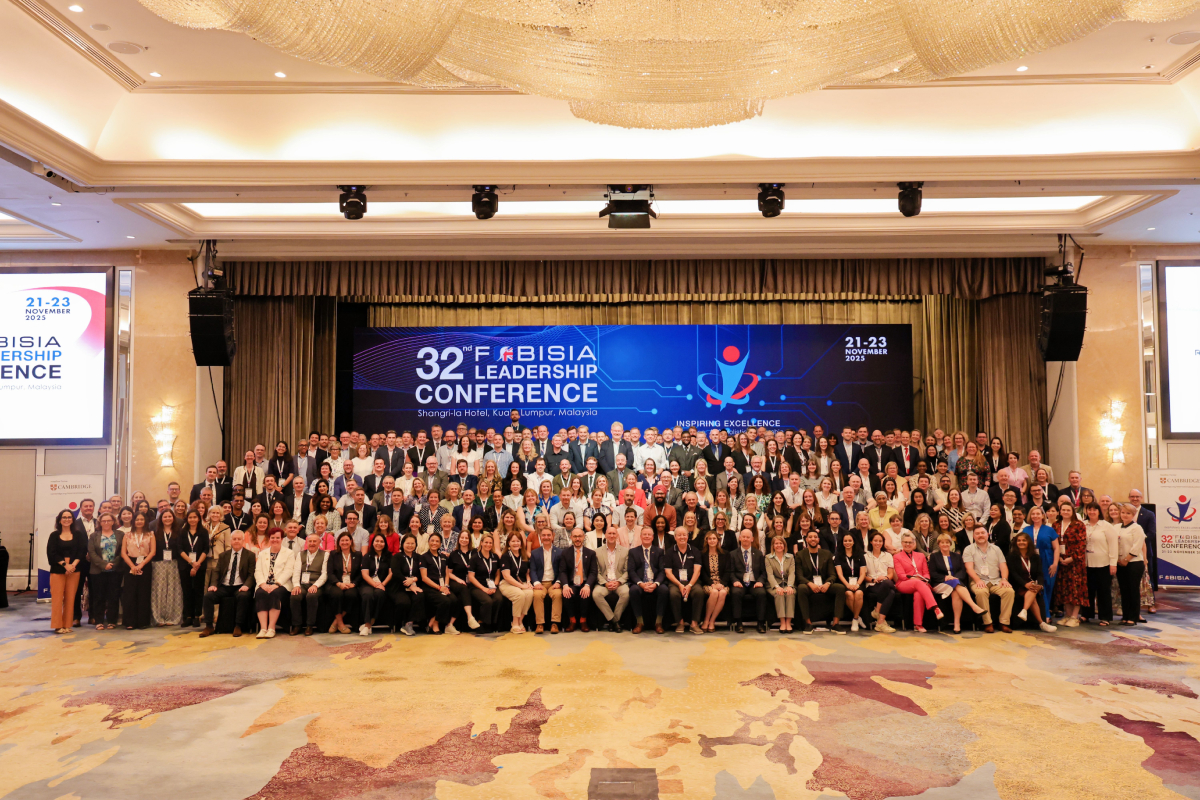
As we look towards the future, the importance of collaboration will only continue to grow.
The pace of change in education is accelerating. New technologies are transforming the way we teach and learn. Expectations of schools continue to evolve. The demands placed upon leaders and educators are significant.
In this environment, strong professional networks are more valuable than ever.
FOBISIA’s role has evolved considerably since its founding, but its purpose remains much the same: to create opportunities for schools, educators, and students to learn, connect, and grow together.
Looking back, it is remarkable to see how far the association has come. Looking forward, I am even more optimistic about what can be achieved when schools continue to work together in the spirit of partnership and shared learning.
In many ways, the story of FOBISIA is not simply the story of an organisation. It is the story of a community. A community built on trust, collaboration, and a shared belief that we can achieve more together than we ever could alone.
That principle remains as relevant today as it was in 1988.