The policy distinguishes entry-level admissions from applications for vacant places in Classes 2–9, with schools responsible for organising their own admission arrangements.
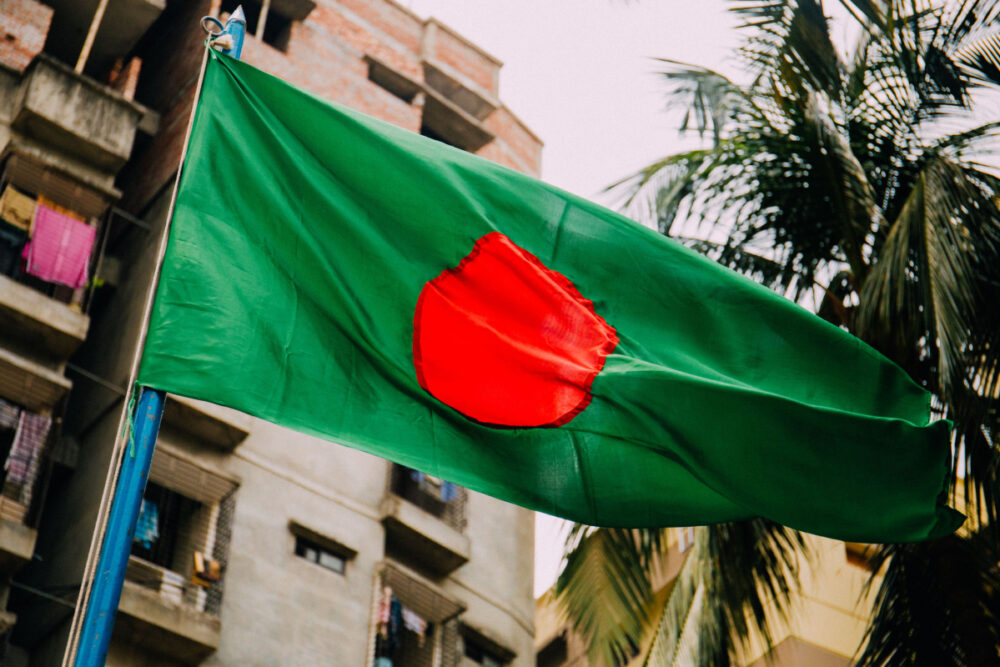
Bangladesh has issued its private-school admission policy for the 2027 academic year, setting a lottery for Class 1 and requiring written examinations for vacant places in Classes 2–9.
Published by the Secondary and Higher Education Division on 10 November, the official policy covers private schools and school-and-college institutions at secondary, junior secondary and attached primary levels. The Business Standard identifies the institutions concerned as those following the national curriculum.
The rules give families different routes depending on their child’s class.
Applicants to Class 1 will be selected by lottery, while older students will be assessed in Bangla, English and mathematics. Admission to Class 9 requires a pass in Class 8 or an equivalent examination.
How Schools Will Select Students
For Class 1, schools must prepare a waiting list containing the same number of students as the selected list. If a successful applicant does not enrol within the specified period, the place can be offered to the next student on the waiting list.
The policy document sets a one-hour, 50-mark examination for Classes 2 and 3, comprising 15 marks each for Bangla and English and 20 for mathematics.
For Classes 4–9, the examination lasts two hours and carries 100 marks, divided between Bangla and English at 30 marks each and mathematics at 40.
Schools will publish admission notices identifying available places. Admission committees will determine examination arrangements, with coordination required between institutions in the same catchment area. Each class section is limited to 55 students.
Age Requirements and Fees for Families
Children entering Class 1 must be at least six but younger than seven on 1 January 2027.
As Independent Television’s report also explains, the policy requires an attested copy of an online birth registration certificate and allows an age relaxation of up to five additional years for students with special needs.
Fee ceilings vary by location and institutional funding status. Bangladesh Sangbad Sangstha reports that Dhaka’s Monthly Pay Order-supported institutions may charge up to Tk5,000 for admission.
For partially supported and non-supported institutions, the ceilings are Tk8,000 for Bangla-medium students and Tk10,000 for English-version students, including the specified tuition, session and development charges.
Families should use their chosen school’s notice to check vacancies, examination dates and the applicable fee category.
Read the full policy through the Secondary and Higher Education Division’s official policy register.