
Securing a place at a US university is only half the journey. Here is how students in Asia can pass the F-1 interview that stands between the offer and the flight.
The 214(b) Problem: Why Good Students Still Get Turned Away
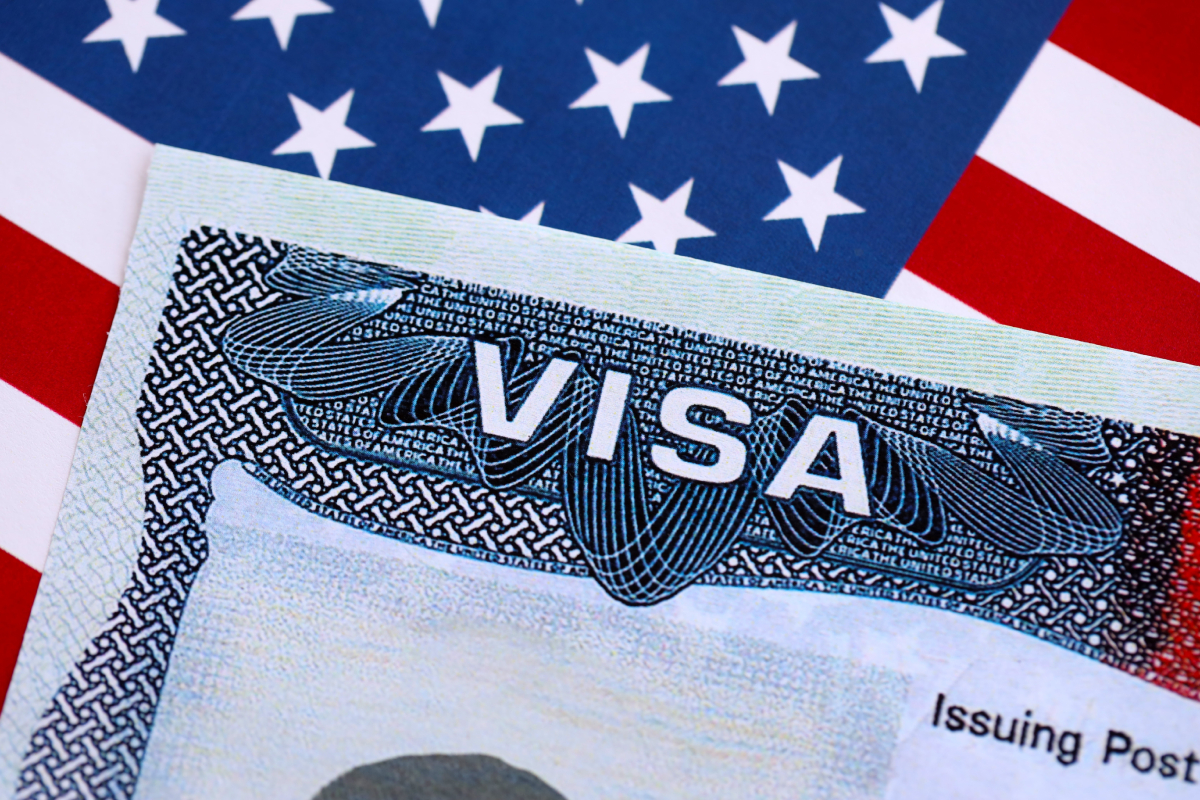
Across Asia, students are celebrating offers from American universities. Yet even outstanding grades and a confirmed place cannot guarantee a visa. The interview is a separate hurdle, and preparation matters.
Visa applications are handled by U.S. embassies and consulates across the region. Appointment availability varies, so students should normally apply in their country of nationality or residence. Follow the local embassy’s instructions, check interview waiting times and allow for possible additional processing before committing to flights or accommodation.
When a refusal comes under Section 214(b), it does not necessarily mean the paperwork was wrong. The officer was not satisfied that the applicant met the visa requirements, including their intention to leave the United States after studying.
Officers consider the study plan, academic preparation, funding and personal circumstances. Applicants should be ready to explain why they chose that university, how their education will be financed and what they plan to do when the course finishes.
The officer wants to know why America. They are checking whether this is a decision, or just a route to staying.
– Rema Menon Vellat – Counselling Point Training & Development
Book Early
Slots are scarce and processing is slow. Apply the moment your I-20 lands, and interview in your country of residence or nationality.
Inside the Interview

Officers keep it short and pointed. The aim is to test whether a student is genuine, funded, and planning to come home.
One recently approved applicant was asked the following:
- Why the USA?
- Why this university over the thousands of others?
- Who is sponsoring your education?
- What is your international travel history?
- How many people depend on that sponsor’s income?
- Two new security questions on threats in your home country.
The Financial Questions
Funding is where officers linger. Show you can cover tuition, accommodation and living costs for the first year, then evidence that the family can carry a full four-year degree.
Salary records and sponsor documents do the reassuring. A sponsor’s financial standing, both consultants agree, can decide the outcome on its own.
Before You Book the Flight
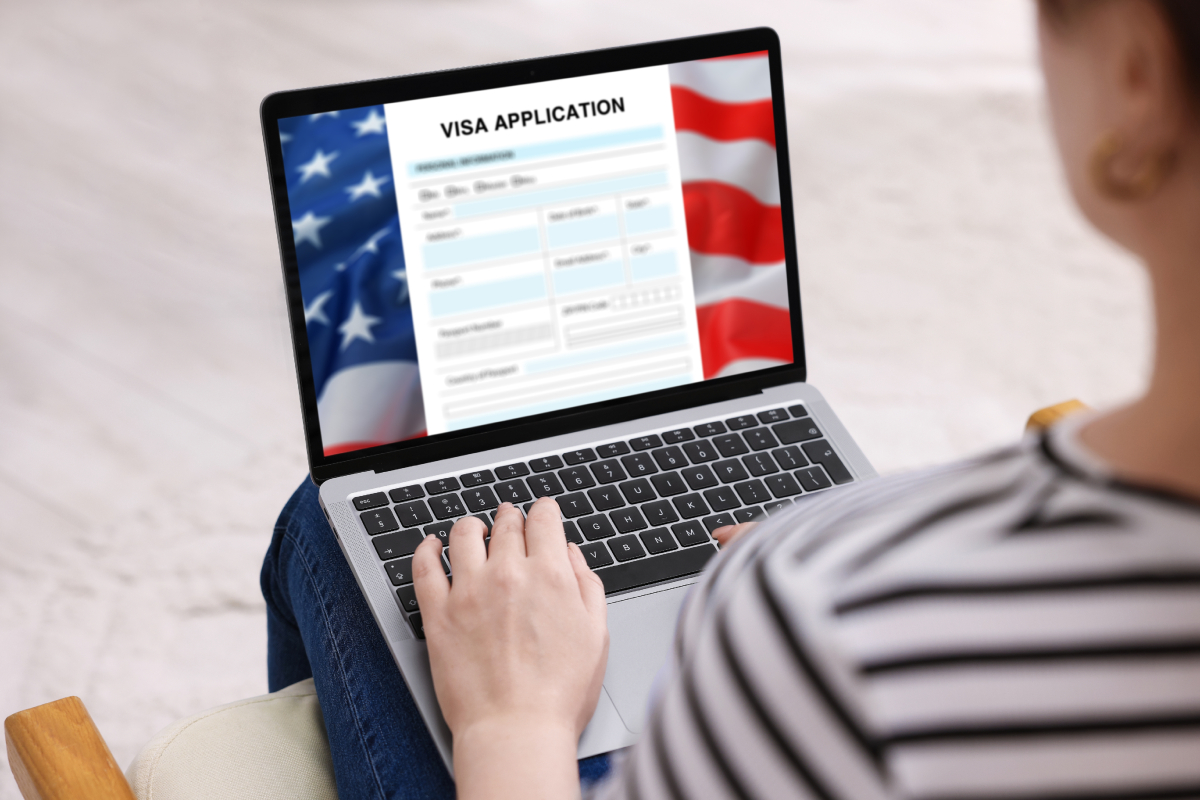
A skim-and-tick list for the week before your interview. Clear all eight and you have done the preparation the desk rewards.
- Know Your ‘Why America’: An honest reason that is about study, not migration.
- Know Your University and Course: Programme, scholarships, research. Defend the choice.
- Read Your Form I-20 Properly: You cannot apply without it. Understand every condition.
- Organise Your Finances: First-year costs covered, plus proof of four-year support.
- Fill the DS-160 Carefully: Slow down. Errors here read as carelessness.
- Show Ties to Home: Make your intention to return clear and specific.
- Go Public on Social Media: Disclose every account. Transparency is part of vetting now.
- Answer With Confidence: Consistent, truthful, calm. Hesitation costs approvals.
NO APPROVAL IS GUARANTEED. PREPARATION IS THE CLOSEST THING.