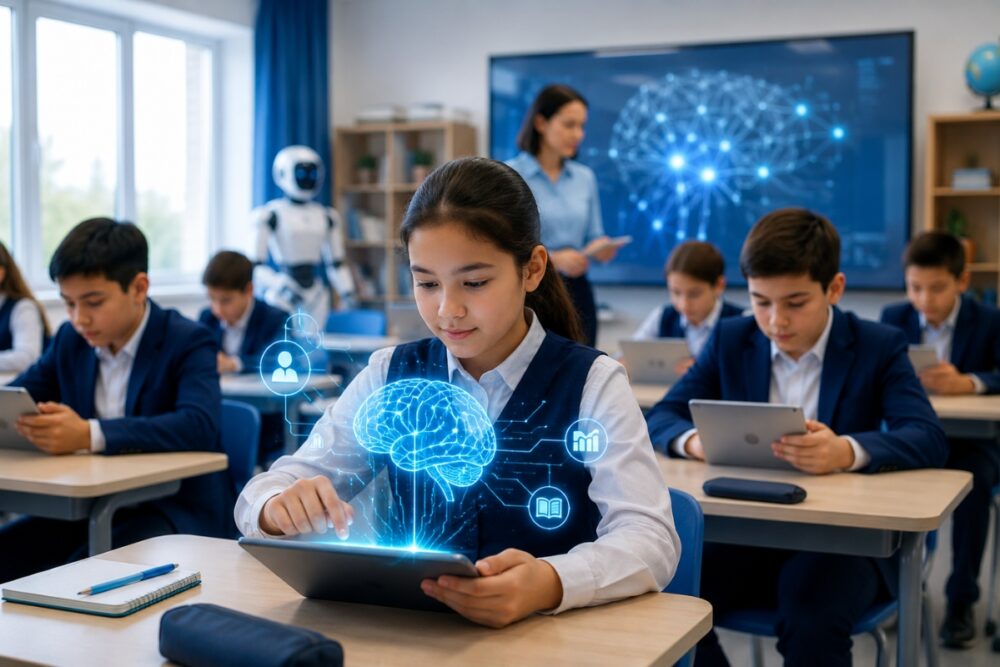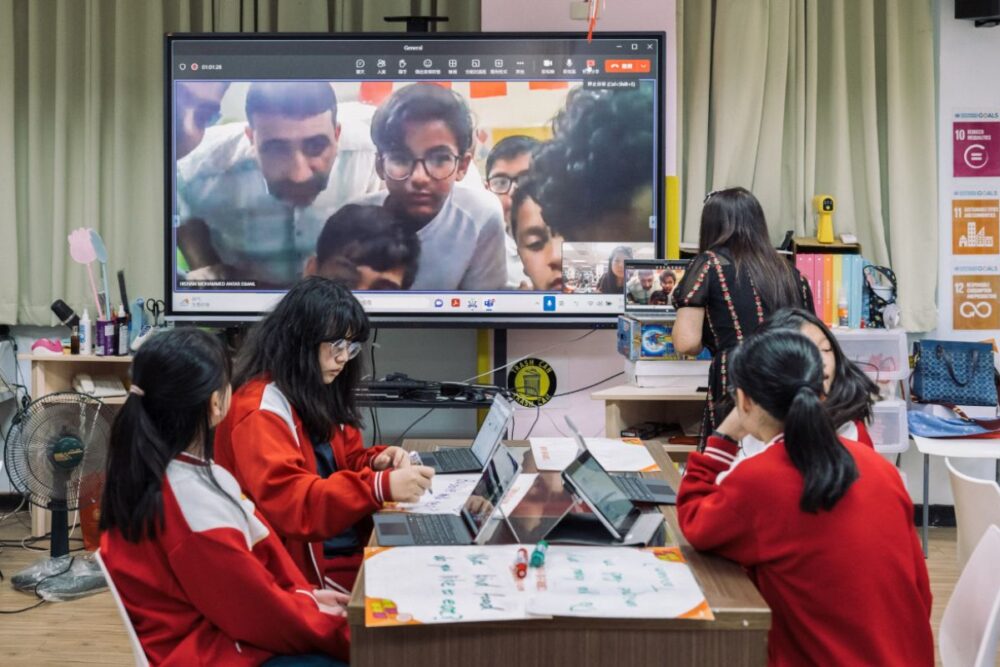
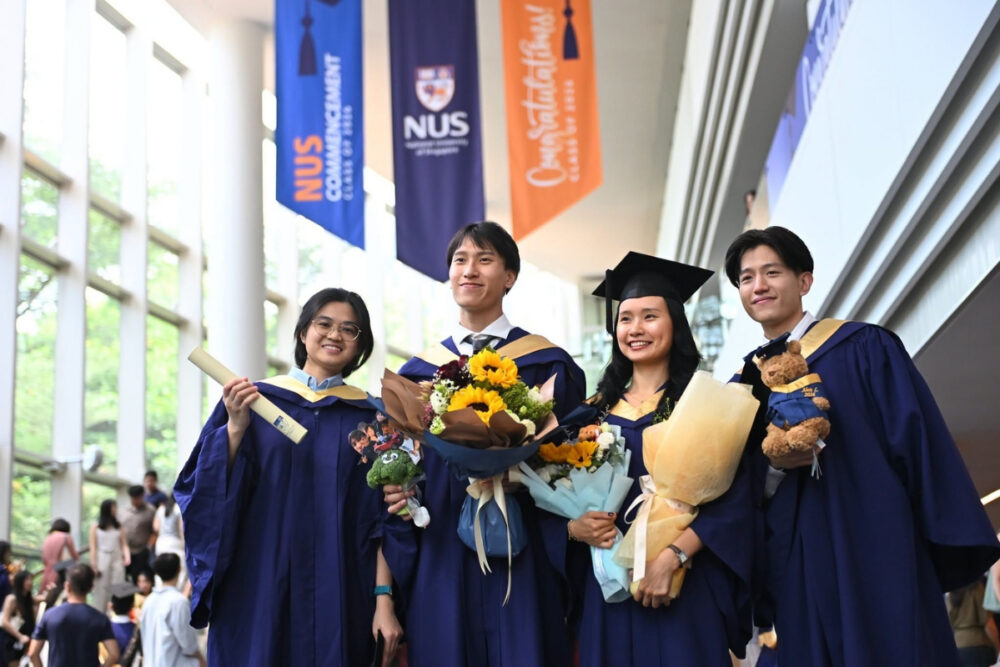
The National University of Singapore (NUS) is expanding AI education across its campus, giving every student access to ChatGPT Edu and requiring all new undergraduates to complete a foundational generative AI course from the 2026/27 academic year.
The move places AI skills at the centre of the university experience. It also signals a wider shift in higher education, with universities increasingly focusing on how students can use AI responsibly rather than simply restricting access to it.
NUS is ranked 10th globally in the 2027 QS World University Rankings and is the highest-ranked university in Southeast Asia.
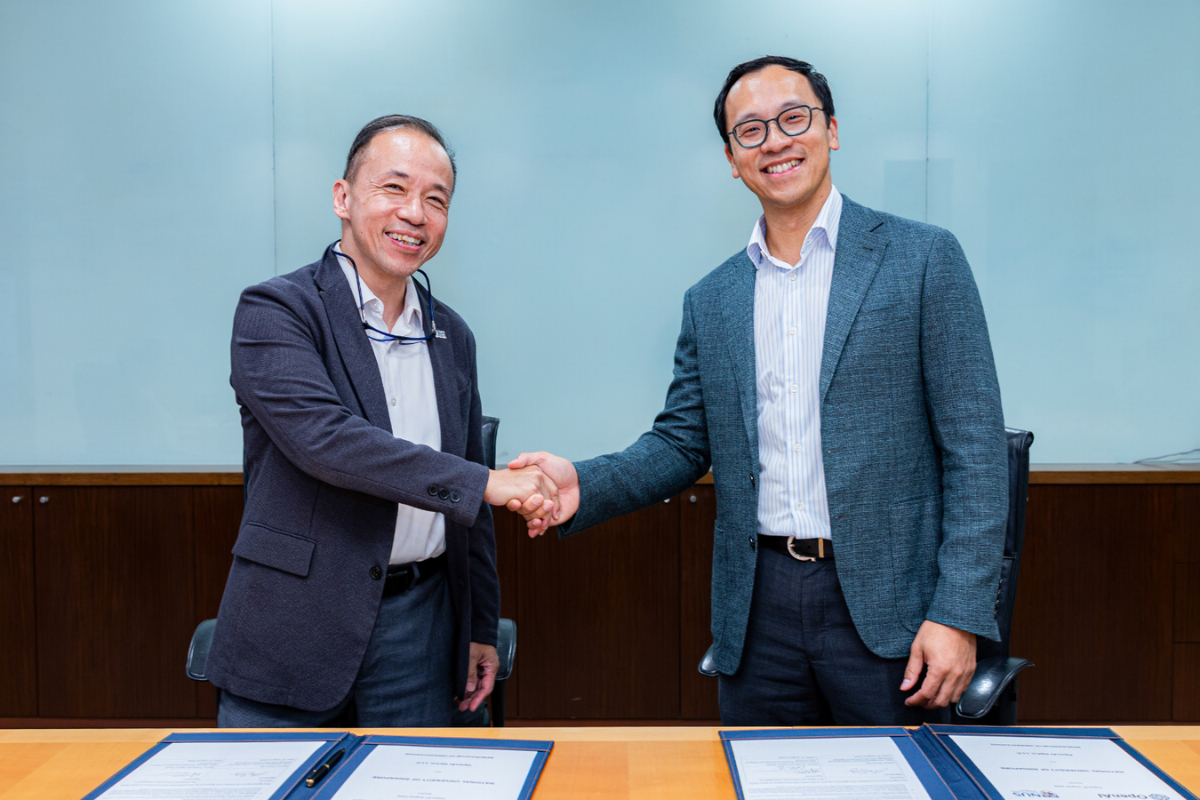
NUS Expands ChatGPT Access And Makes AI Training Mandatory
NUS announced a strategic collaboration with OpenAI on August 11, 2026. Under the agreement, every NUS student, faculty member and staff member will have access to ChatGPT Edu and Codex through the university’s managed environment.
ChatGPT Edu provides institutions with managed workspaces and enterprise-level privacy, security and administrative controls. This gives universities greater oversight than consumer versions of the chatbot.
NUS said the collaboration will initially involve piloting advanced AI tools in selected courses. The tools will then be introduced into undergraduate courses where they can support specific learning objectives.
The university will also continue using its internally developed AI-Know platform. Therefore, the partnership is intended to add to existing AI capabilities rather than replace them.
From the 2026/27 academic year, all NUS undergraduate students will be required to complete THE1008 Applied Generative AI: From Prompting to Evaluation during their first semester.
The four-hour physical workshop is part of the university’s Transition to Higher Education programme. Students will learn how to work effectively with large language models and multimodal AI tools. They will also learn how to evaluate AI-generated outputs.
NUS says the course is mandatory for all undergraduate students from the 2026 cohort onwards.
The university also offers THE1005 Guide to Use of Generative AI Tools. This course covers effective use of generative AI, appropriate acknowledgement and the benefits and limitations of the technology.
The university’s approach focuses on AI literacy alongside human skills. Professor Aaron Thean, Deputy President (Academic Affairs) and Provost of NUS said,
“We aim to leverage these advanced AI technologies not as replacements, but as powerful amplifiers of human intellect, creativity and judgement. By providing direct, hands-on access, we empower our students, faculty and staff to develop the critical thinking and ethical discernment essential to innovate and lead in an AI-driven world, ensuring human capabilities remain at the forefront.”
The emphasis is significant for students. Rather than treating AI as a separate technology subject, NUS plans to build AI capabilities throughout undergraduate education.
By graduation, students are expected to use AI strategically, assess AI-generated information critically and apply the technology appropriately within their chosen disciplines.
Students Will Gain Practical AI Experience
The partnership also goes beyond classroom use.
Students across disciplines will have opportunities to take part in hackathons and build days focused on real-world problems. They may also connect with OpenAI’s wider networks and communities.
NUS and OpenAI will additionally explore research collaborations. This could create opportunities for students and researchers to investigate how AI develops and how it can be applied responsibly.
The approach reflects growing demand among students for practical AI experience. OpenAI reported that 95 per cent of surveyed university students in Singapore wanted more opportunities to use advanced AI tools on real-world university projects. Meanwhile, 88 per cent wanted opportunities to build an AI app, product or company while at university.
Why NUS AI Strategy Matters For Higher Education
The NUS model could be closely watched by universities across Asia.
Making AI widely available removes some of the uncertainty students face when deciding whether and how to use these tools. At the same time, compulsory training gives students a structured introduction to responsible use.
For educators, the approach also creates a clearer framework for incorporating AI into teaching and assessment.
However, access alone does not guarantee effective learning. Students still need to understand when AI is appropriate, how to check its output and when independent thinking should take priority.
NUS is therefore placing AI literacy alongside critical thinking, judgement and sense-making.
NUS Plans To Work With Multiple AI Providers
NUS does not intend to depend on a single AI provider in the long term. Its strategy includes working with multiple companies to expose students to different AI platforms and approaches.
That could help students understand that AI literacy is broader than learning to use one chatbot. Instead, they can develop transferable skills around prompting, evaluation, verification, responsible use and problem-solving. For students entering an increasingly AI-shaped workplace, those skills could become as important as familiarity with any individual platform.
Ultimately, NUS is positioning AI as part of the wider university learning experience. Its approach combines broad access, compulsory foundational training and opportunities to apply AI to real-world challenges. The result could provide a useful model for other universities considering how to prepare students for an education and employment landscape increasingly shaped by artificial intelligence.