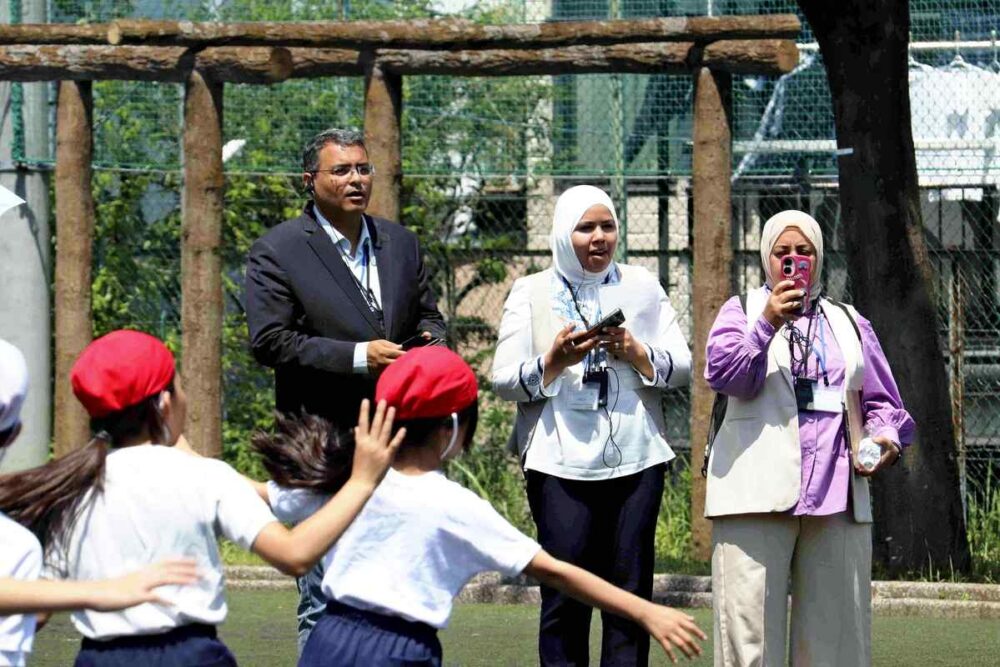
Japan is strengthening its international education partnerships by working with UNESCO to promote Japanese-style educational activities across emerging and developing countries.
The initiative aims to introduce classroom practices that encourage independence, responsibility and teamwork. For educators, school leaders and policymakers, the collaboration highlights how everyday school routines can help develop essential life skills alongside academic learning.
The programme is already gaining momentum in Egypt and is expected to expand further across Africa and Asia in the coming years.
What Is The Japanese Education Model?
Japanese-style educational activities focus on helping children develop personal responsibility and strong social skills through daily routines.
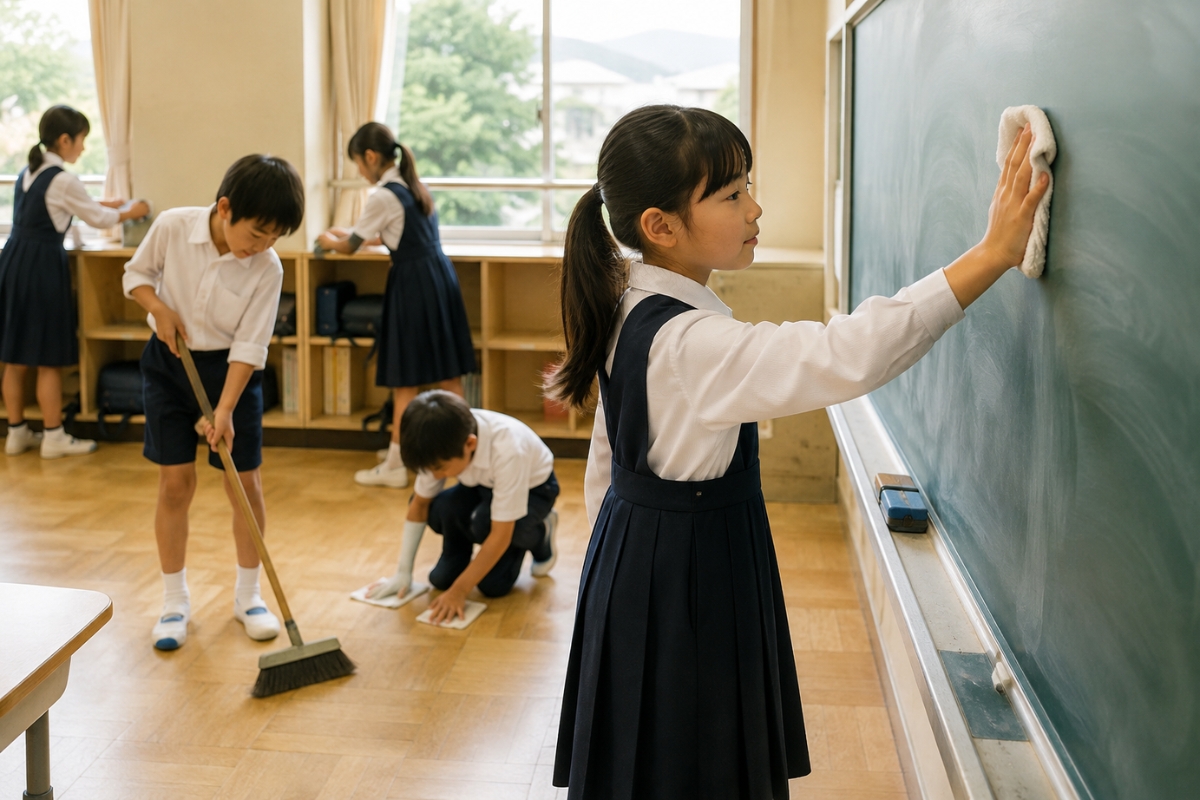
One of the best-known practices is having students clean their own classrooms instead of relying on cleaning staff. Schools also encourage learners to hold class discussions and rotate the role of nitchoku, a one-day classroom coordinator responsible for tasks such as cleaning the blackboard and announcing the beginning and end of lessons. These activities are designed to help children develop independence, cooperation, leadership and respect for shared spaces.
Egypt Leads The Way
Egypt became one of the first countries to adopt the Japanese education model. The first schools using Japanese-style educational activities opened in 2018. Around 70 schools currently follow the approach, with the number expected to exceed 100 by 2027.
The expansion reflects growing confidence in teaching methods that combine academic learning with character development and practical life skills.
Partnership To Reach More Countries
Japan’s Ministry of Education, Culture, Sports, Science and Technology will work alongside UNESCO and the Egyptian government to promote the model across the Global South. The collaboration follows discussions between Japanese Education Minister Yohei Matsumoto and UNESCO Director-General Khaled El-Enany, who requested Japan’s support in sharing its educational approach with emerging and developing countries across Africa and Asia.
Meanwhile, Japan signed a memorandum of understanding with Ghana last year to promote Japanese-style educational activities, demonstrating growing international interest in the model. The Japanese government also plans to use future international events, including the Tokyo International Conference on African Development in 2028, to establish similar partnerships with additional African countries.
Why This Matters For Schools
Many education systems are placing greater emphasis on developing life skills alongside academic achievement. Japanese-style educational activities encourage children to take responsibility for their learning environment while strengthening communication, collaboration and problem-solving skills.
For school leaders and educators, the approach offers practical ideas that can be adapted to different cultural and educational settings. Activities such as student leadership roles and collaborative classroom responsibilities require minimal resources but can have a lasting impact on confidence, behaviour and community spirit.
A Growing Focus On Holistic Education
The partnership between Japan and UNESCO reflects a wider global shift towards holistic education. Alongside academic success, schools are increasingly recognising the importance of helping students develop resilience, empathy, teamwork and independence.
For parents, these approaches demonstrate that education extends beyond examination results. Daily routines and shared responsibilities can play an important role in preparing children for university, employment and active participation in society.
As more countries explore new ways to strengthen education systems, Japan’s classroom practices may offer valuable lessons for schools seeking to balance academic excellence with character development.